Search
Understanding the biological mechanisms behind multimorbidity patterns in adolescence is important as they may act as intermediary risk factor for long-term health. We aimed to explore relationship between prenatal exposures and adolescent's psycho-cardiometabolic intermediary traits mediated through epigenetic biomarkers, using structural equation modeling (SEM).
Little is known about how sun exposure may affect the maternal skin barrier during pregnancy when many hormonal and physiological changes occur. In this longitudinal observational study, 50 pregnant women were recruited at 18-24 weeks' gestation, 25 in summer-autumn, and 25 in winter-spring. At three time points in pregnancy at 18-24, 28-30, and 36-38 weeks' gestation, participants completed a validated sun exposure questionnaire and had skin permeability and surface pH measured on the volar forearm.
Maternal educational attainment (MEA) shapes offspring health through multiple potential pathways. Differential DNA methylation may provide a mechanistic understanding of these long-term associations. We aimed to quantify the associations of MEA with offspring DNA methylation levels at birth, in childhood and in adolescence.
The Environmental Determinants of Islet Autoimmunity (ENDIA) pregnancy-birth cohort investigates the developmental origins of type 1 diabetes (T1D), with recruitment between 2013 and 2019. ENDIA is the first study in the world with comprehensive data and biospecimen collection during pregnancy, at birth and through childhood from at-risk children who have a first-degree relative with T1D.
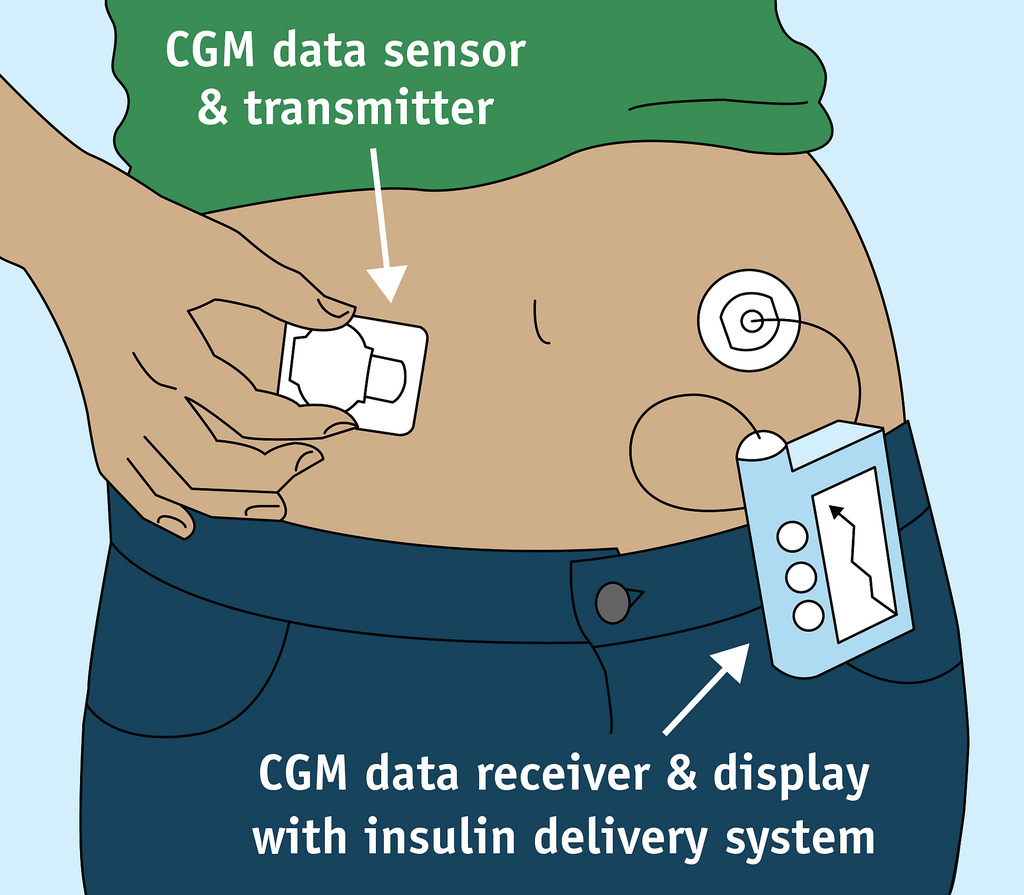
Continuous glucose monitoring (CGM) devices have demonstrated efficacy in adults and more recently in youths and older adults with type 1 diabetes. In adults with type 1 diabetes, the use of real-time CGM compared with intermittently scanned CGM was associated with improved glycemic control, but there are limited data available for youths.
The significant and growing global prevalence of diabetes continues to challenge people with diabetes (PwD), healthcare providers, and payers. While maintaining near-normal glucose levels has been shown to prevent or delay the progression of the long-term complications of diabetes, a significant proportion of PwD are not attaining their glycemic goals.
Preterm birth is the leading cause of perinatal morbidity and mortality and is associated with adverse developmental and long-term health outcomes, including several cardiometabolic risk factors and outcomes. However, evidence about the association of preterm birth with later body size derives mainly from studies using birth weight as a proxy of prematurity rather than an actual length of gestation. We investigated the association of gestational age (GA) at birth with body size from infancy through adolescence.
Liz Davis MBBS FRACP PhD Co-director of Children’s Diabetes Centre Co-director of Children’s Diabetes Centre Professor Davis is a paediatric
Premature onset of type 2 diabetes and excess mortality are critical issues internationally, particularly in Indigenous populations. There is an urgent need for developmentally appropriate and culturally safe models of care. We describe the methods for the codesign, implementation and evaluation of enhanced models of care with Aboriginal and Torres Strait Islander youth living with type 2 diabetes across Northern Australia.
To assess the real-world performance of MiniMed™ 780G for Australians with type 1 diabetes (T1D) following advanced hybrid closed loop (AHCL) activation and to evaluate the effect of changing from MiniMed 670/770G to 780G.