
Search
Showing results for "A"
Invasive group A streptococcal (Strep A) infections occur when Streptococcus pyogenes, also known as beta-hemolytic group A Streptococcus, invades a normally sterile site in the body. This article provides guidelines for establishing surveillance for invasive Strep A infections. The primary objective of invasive Strep A surveillance is to monitor trends in rates of infection and determine the demographic and clinical characteristics of patients with laboratory-confirmed invasive Strep A infection, the age- and sex-specific incidence in the population of a defined geographic area, trends in risk factors, and the mortality rates and rates of nonfatal sequelae caused by invasive Strep A infections.
Group A Streptococcus (Strep A) is responsible for a significant global health and economic burden. The recent prioritization of Strep A vaccine development by the World Health Organization has prompted global research activities and collaborations. To progress this prioritization, establishment of robust surveillance for Strep A to generate updated regional disease burden estimates and to establish platforms for future impact evaluation is essential.

Kids living with type 1 diabetes got to hang out with peers and have a lot of fun at the Diabetes WA and Perth Children’s Hospital kids’ camp in Bicton recently.

For National Diabetes Week, we sat down with Dr Keely Bebbington to talk about her amazing work in research.

At every meal, Candice Carlon counts the carbs in her daughter Mia’s food. When Mia started pre-kindy, she stayed with her every day for six months.

We recently launched our new and improved Children’s Diabetes Centre patient folder so don’t forget to ask for your own hard copy next time you visit the diabetes clinic at Perth Children’s Hospital.

Teens with diabetes may sometimes feel alone and even embarrassed about their diabetes. We asked Professor Donna Cross, for her tips for being a good friend.

After being diagnosed with rheumatic heart disease at ten, Elizabeth had to leave country and her family for a large chunk of her childhood so she could be treated in Adelaide.
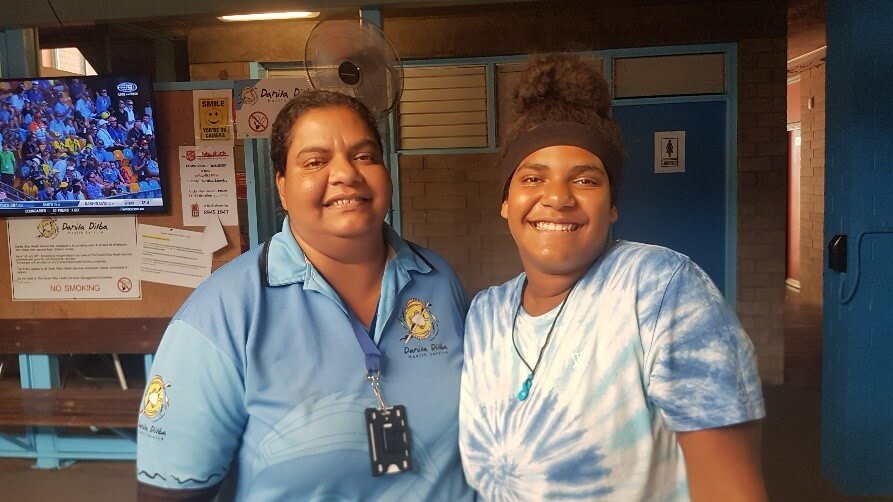
When Liana complained of a sore foot and showed signs of a fever, her mum Margie rushed her to hospital. An X-ray of her foot revealed no obvious injury, so she was sent home and advised to take painkillers.
This study assessed the efficacy of seasonal IIV3s against influenza due to 2008 and 2009 seasonal influenza strains and against the 2009 pandemic H1N1 strain