
Search
Showing results for "A"
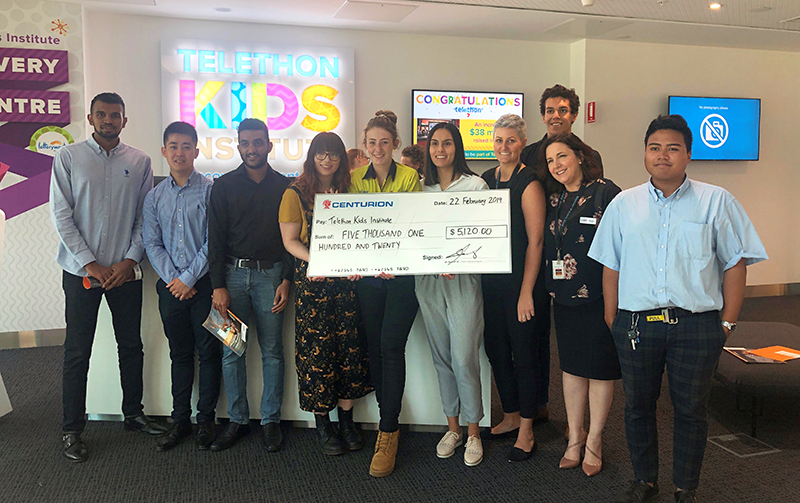
Vacation students from logistics and transport company Centurion raised over five thousand dollars for The Kids Research Institute Australia through a series of fundraising activities.
flow facility equipment
The Role Our helpful part time Welcome Crew deliver first class services to our visitors using a range of different technologies in line our vision

New Study ‘Plugs’ Digital Intervention for Perinatal Mental Health
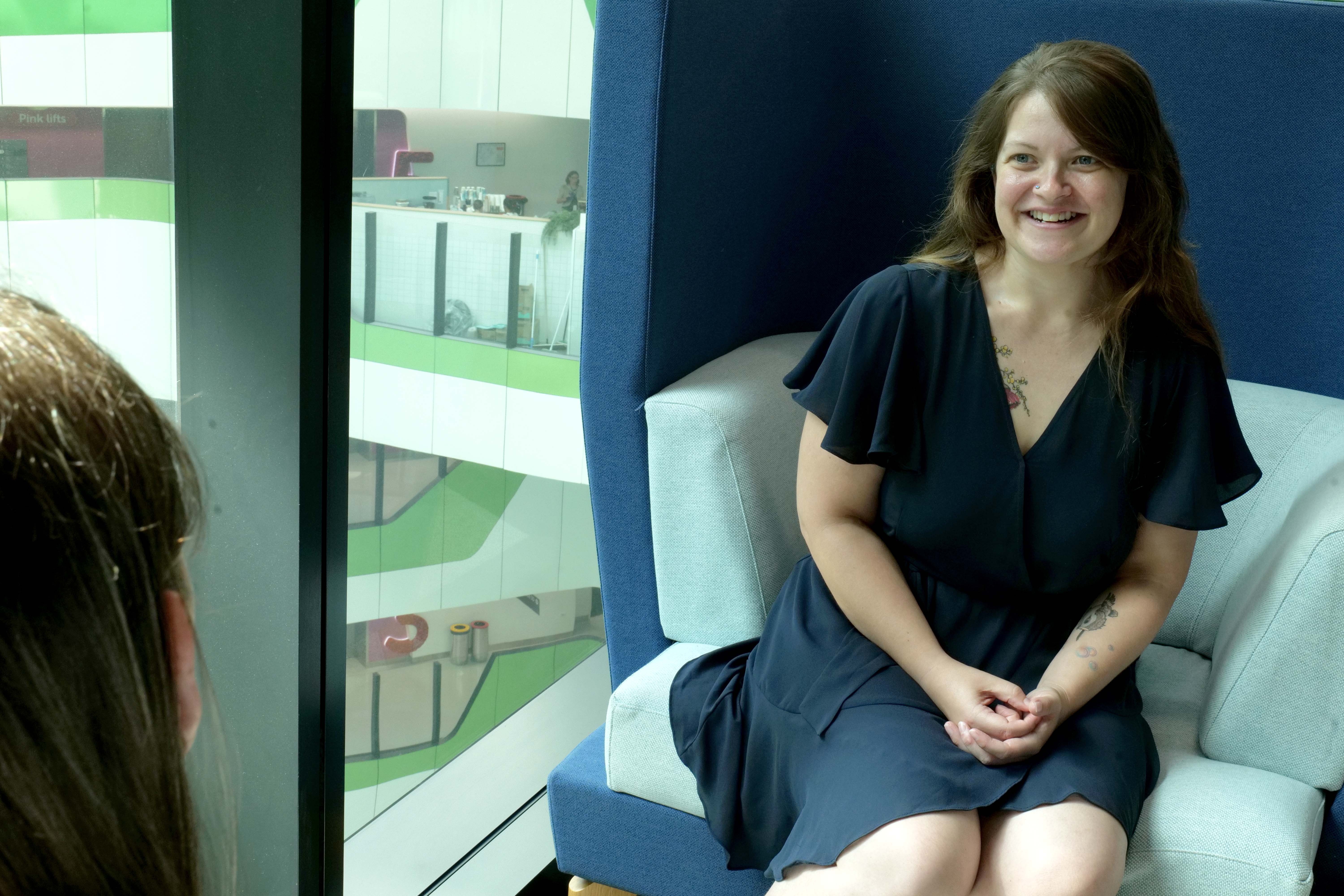
New research has uncovered how adolescents experience high levels of dissociation symptoms.
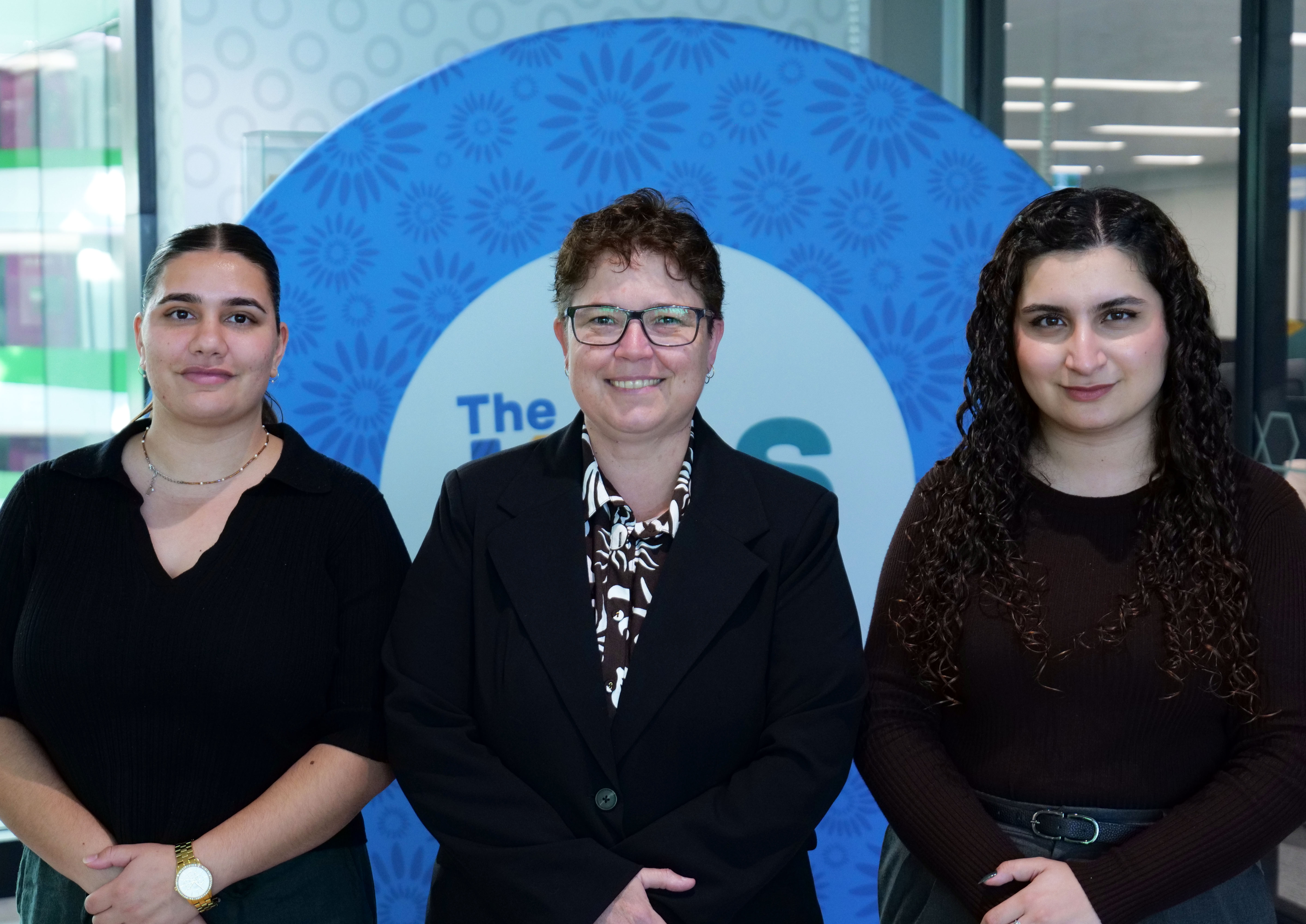
Researchers on the Embrace parenting program Rebeka Morrison, Nita Alexander, and Aysa Bahar Arjmand.
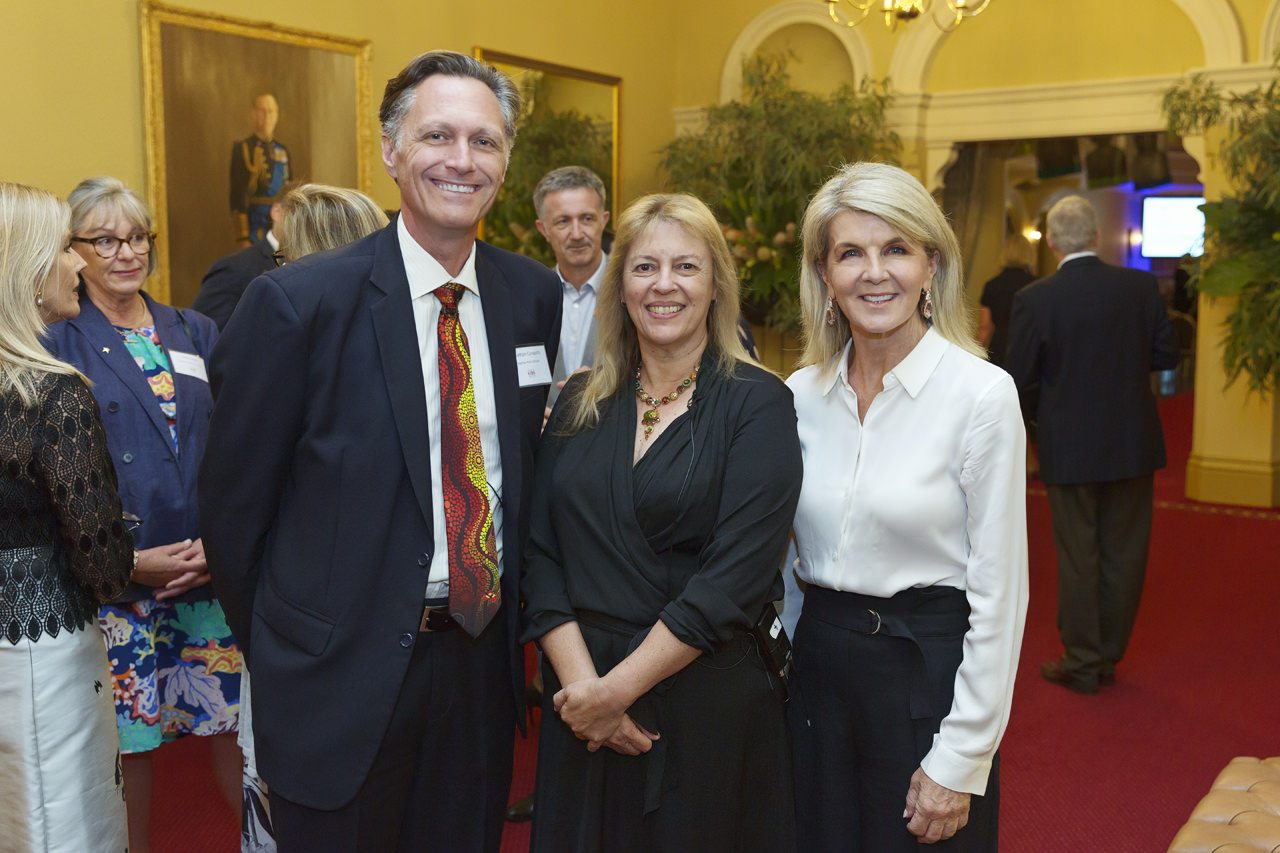
A major gap in tackling the mental health crisis in WA is the inability to effectively treat children and adolescents with a history of trauma within the current system.
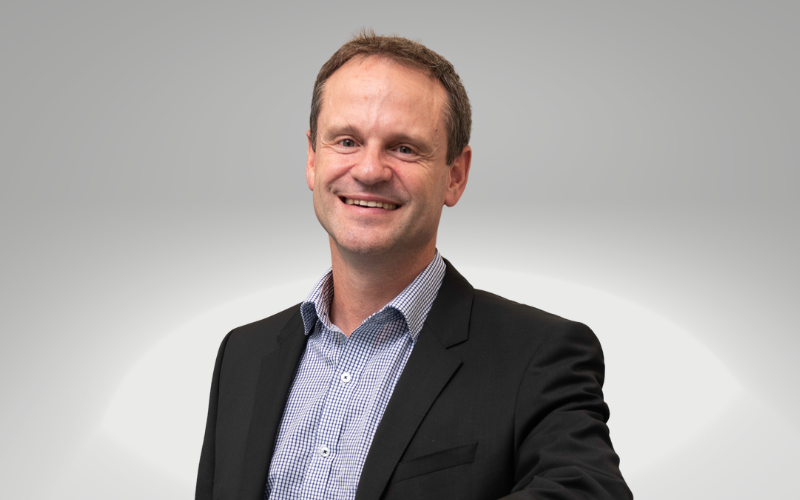
In an exciting development for the Wal-yan Respiratory Research Centre, Professor André Schultz has been appointed as the Centre’s new Head, succeeding Professor Stephen Stick.
Autism spectrum disorder (ASD), a neurodevelopmental condition characterised by social and communication differences, is complex and aetiologically heterogeneous. Untargeted metabolomics is emerging as a tool in screening for biochemical abnormalities. This research was conducted using the Australian Autism Biobank resource and involved analysis of plasma metabolites to characterise metabolite differences between autistic children and controls.
Mutations in the TANGO2 gene cause an autosomal recessive disorder characterised by developmental delay, stress-induced episodic rhabdomyolysis, and cardiac arrhythmias along with severe metabolic crises. Although TANGO2 mutations result in a well characterised disease pathology, the function of TANGO2 is still unknown.