
Search
Showing results for "A"

Head, Genetics & Health
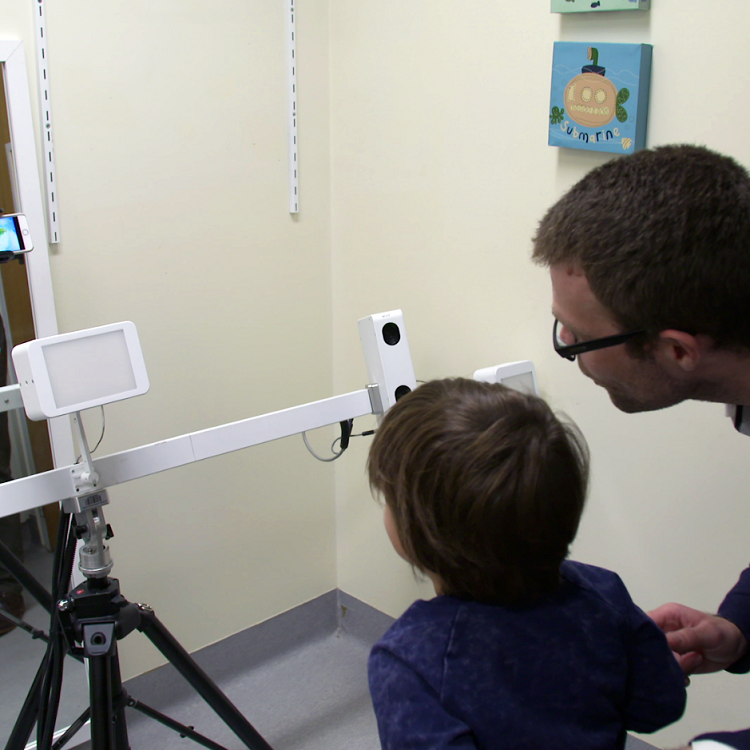
A new study led by The Kids Research Institute Australia has found a link between masculine facial features and autism.
To identify the barriers and facilitators for timely detection and optimal management of otitis media in Aboriginal children in a primary care setting from the perspective of Health Care Providers
Developed a specific Haemophilus influenzae quantitative PCR (qPCR) that also identifies fucose-negative and protein D-negative strains
Allergic diseases are a major cause of morbidity in the developed world, now affecting up to 40 % of the population with no evidence that this is abating.
This paper is a review about the importance of alterations to the DNA molecule, rather than the DNA sequence, in the development of the immune system, and...
Keely Bebbington MClinPsych/PhD McCusker Postdoctoral Research Fellow in Type 1 Diabetes 08 6319 1766 keely.bebbington@thekids.org.au McCusker

We are looking for healthy young adults to take part in a study that will help us learn more about a new pertussis vaccine that we hope will offer greater protection from whooping cough.

Cyberbullying is when an individual or a group repeatedly uses Information and Communication Technologies (ICT) to intentionally fear, distress, or harm to another person, who finds it hard to stop it from happening.
Cord blood T cells (CBTC) from a proportion of newborns express low/deficient levels of some protein kinase C (PKC) isozymes, with low levels of PKCζ correlating with increased risk of developing allergy and associated decrease in interferon‐gamma (IFN‐γ) producing T cells.