
Search
Nirsevimab is a long-acting monoclonal antibody used to prevent respiratory syncytial virus (RSV) infection in infants and high-risk children. During the 2024 RSV season in Western Australia, 21 922 doses were administered to infants entering their first season and 1221 doses to at-risk children. In this context, the selection and spread of escape variants are a potential concern. This study aimed to investigate nirsevimab binding site mutations using clinical and wastewater data.
Managing bronchiectasis exacerbations is a priority for patients, parents, and caregivers of children with bronchiectasis. However, evidence-based strategies among the pediatric population remain limited.
Culturally safe healthcare approaches are important to improve outcomes of Indigenous people. Non-Indigenous clinicians are often ill-prepared to provide such healthcare. The NHMRC Centre for Research Excellence (CRE) especially for First Nations Children has been studying for several years how to improve clinical care for Indigenous children with respiratory disease in hospital, clinic, urban, rural and remote settings.
Cohort studies investigating respiratory disease pathogenesis aim to pair mechanistic investigations with longitudinal virus detection but are limited by the burden of methods tracking illness over time. In this study, we explored the utility of a purpose-built AERIAL TempTracker smartphone app to assess real-time data collection and adherence monitoring and overall burden to participants, while identifying symptomatic respiratory illnesses in two birth cohort studies.
Objective: To review systematically the rationale for choice and use of monoclonal antibody and anti-cytokine therapy in multisystem inflammatory syndrome in children.
Hannah Peter Moore Richmond OAM BSc (Hons) GradDipClinEpi PhD MBBS MRCP(UK) FRACP Head, Infectious Diseases Research Head, Vaccine Trials Group 08
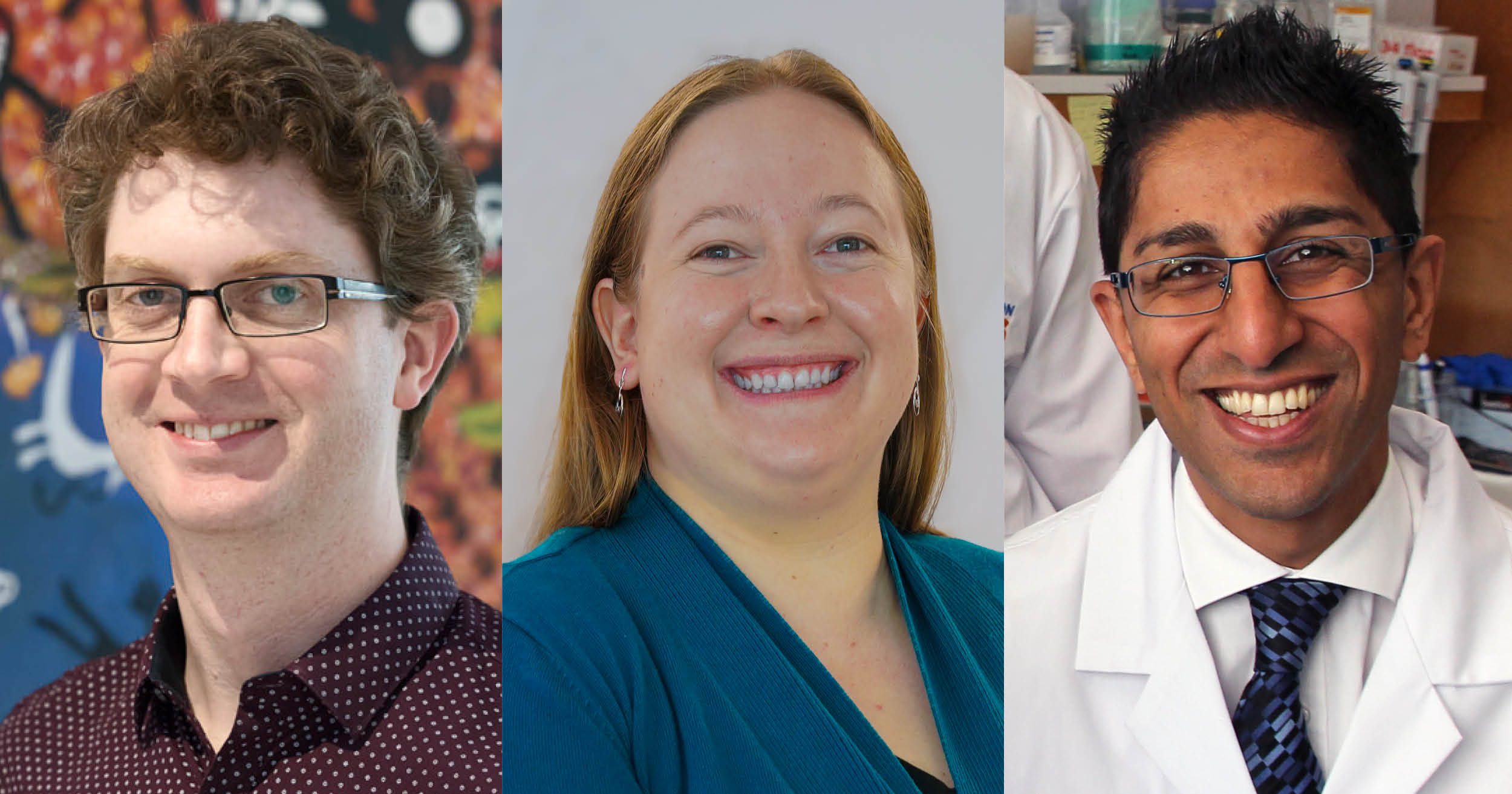
Congratulations to three outstanding The Kids Research Institute Australia researchers who have received second chance WA health funding designed to support researchers who have narrowly missed out on highly competitive national funding.
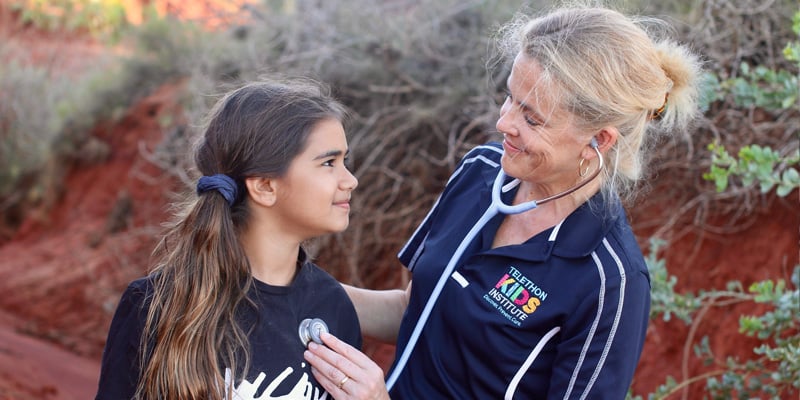
Almost one in five children across four remote Kimberley communities has some form of chronic lung disease, according to a new study co-designed and conducted in partnership with Aboriginal communities.
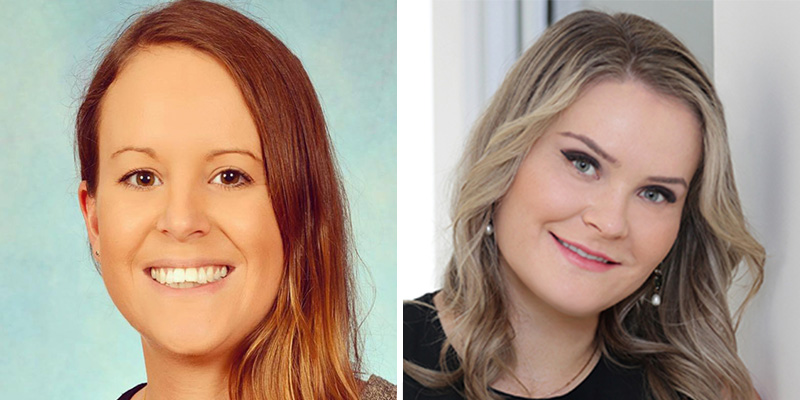
Two researchers focused on improving outcomes for children with chronic lung disease and averting suicide contagion and suicide clusters in young people have won prestigious Investigator Grants from the National Health and Medical Research Council.
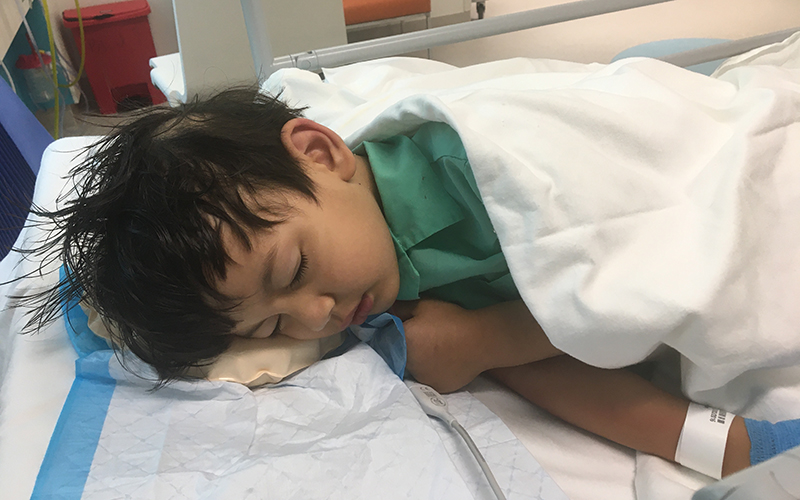
Charlie, 6, has ended up in hospital twice with invasive Strep A infection over his short lifetime – the first time when just three years old.