
Search
The early years are critical for lifelong wellbeing, with transition to formal school a key period for development. For Indigenous children, this transition provides opportunities to build on cultural strengths and belonging. However, many children face systemic barriers that impact their transition experiences, highlighting a need for culturally safe programs that support Indigenous families during this significant time.
This scoping review considers the experiences of aspiring high school-aged athletes as they navigate the complexities of managing sport, education, social, and family life. The review synthesises existing literature on the decisions, barriers, facilitators, and support systems that influence aspiring athletes' pathways.
Aboriginal children and families contend with higher rates of preventable infectious diseases that can be attributed to their immediate living environment. The environments in which children spend most of their time are their homes and schools. We aimed to understand the opportunities in the school setting to support student skin health and wellbeing through environmental health activities, how these activities were completed, and the barriers to their implementation.
Access to adequate nutrition is a human right. In 2023, 23% of Australian households were severely food insecure, reducing food intake, skipping meals or days of eating. Food insecurity in early childhood is linked to poor health and development. Specifically, breakfast provides children with the necessary nutrients required for sustained attention, memory, and cognitive growth. Australian research has reported that one in three children aged 8–18 years regularly skip breakfast. However, there is little understanding of the prevalence of food insecurity among young children in Australia.
Although most people born this century will be educated in African schools, these schools often lack basic infrastructure, such as electricity and/or lighting. In the face of a rapidly growing school-age population in Africa, the electrification of educational facilities is not just an infrastructural challenge but also a pivotal investment in the continent’s future workforce.
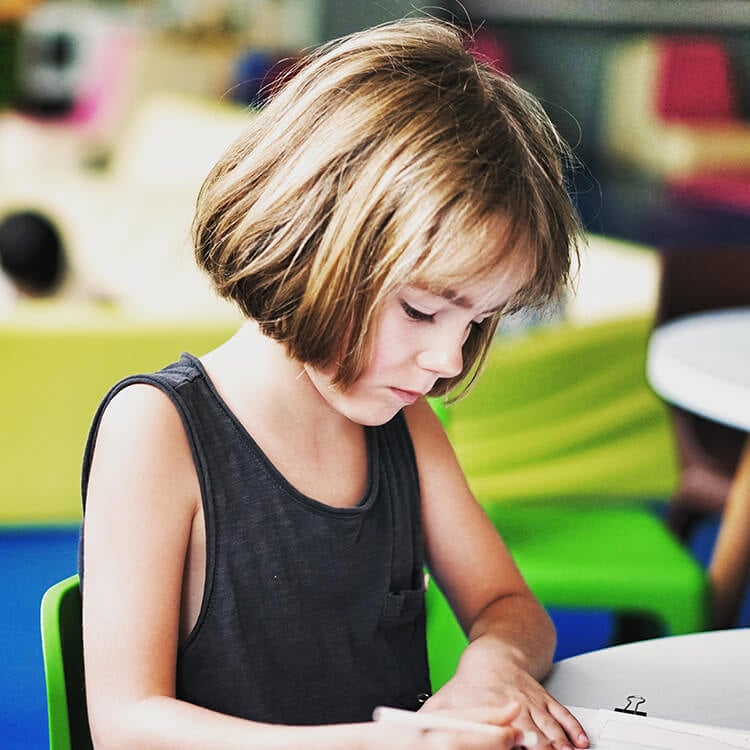
The effects of educational advantage or disadvantage get handed down through the generations according to a new study by researchers at the The Kids.

Professor Cate Taylor, is part of an International cohort of researchers to secure over €1.45million in grant funding from the EU’s Horizon 2020 programme.
This project uses longitudinal population data provided through the Developmental Pathways in WA Children Project (Developmental Pathways Project).
Previous research has demonstrated wellbeing benefits for positive education programmes (PEPs) facilitated by clinicians or experts or outside the school context. The current study explored the effects of a Year 10 PEP led by teachers trained in positive education and embedded within the Australian secondary school context.
Schools are increasingly recognized as important settings for mental health promotion, but it is unclear what actions schools should prioritize to promote student mental health and wellbeing. We undertook a policy review of global school-based mental health promotion policy documents from United Nations agencies to understand the frameworks they use and the actions they recommend for schools.