
Search
Showing results for "A"
Hannah Moore OAM BSc (Hons) GradDipClinEpi PhD Head, Infectious Diseases Research 08 6319 1427 Hannah.moore@thekids.org.au Head, Infectious Diseases

Definitions of sexting vary but there is a general consensus that it involves ‘sexually explicit content communicated via text messages, smartphones, or visual and activities such as social networking sites’.

Researchers have worked with communities to come up with a tangible, practical legacy to improve the policy architecture and clinical approaches to drinking during pregnancy
The Wesfarmers Centre is pleased to announce the successful applications for the 2018 Round 1 Wesfarmers Centre Seed Funding. The Wesfarmers Centre
Bronchiectasis (not related to cystic fibrosis) is a chronic lung disease caused by a range of etiologies but characterized by abnormal airway dilatation, recurrent respiratory symptoms, impaired quality of life and reduced life expectancy.

Every decision a child with type 1 diabetes makes can impact on their blood glucose levels.
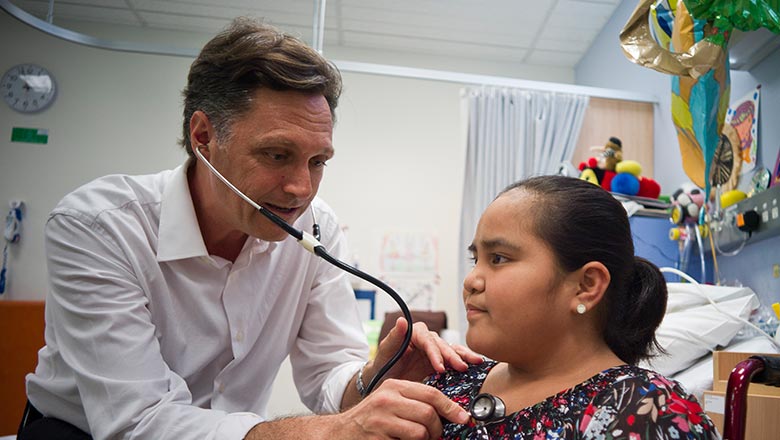
Researchers at The Kids Research Institute Australia have begun a comprehensive research project into vaccines aimed at tackling rheumatic fever.
Information from the Healthy Pregnancy & Me brochure for pregnant women on BMI and guidelines around healthy weight gain during pregnancy.
Review treatment and primary prevention studies, recent meta-analyses, and discuss the current understanding of the role of probiotics in this context
Treatments for food allergy are still lacking, yet progress is being made, and immunotherapy appears more effective than dietary avoidance.