
Search
Showing results for "A"
Individuals with concurrent first episode of psychosis and ASD can present with distinct clinical characteristics that require specialised assessment and treatment
We aimed to identify the rate and predictors of transition to mania in a cohort of youth with clinical or familial risk for psychosis.
Recent studies have shown an association between psychopathology and subsequent clinical and functional outcomes in people at UHR for psychosis.
This prospective cohort study, which recruited participants with definite ARF in Australia and Aotearoa New Zealand, profiled circulating immune molecules and cells to inform disease mechanisms and future druggable pathways.
Acute poststreptococcal glomerulonephritis (APSGN) is an immune complex-induced glomerulonephritis that develops as a sequela of streptococcal infections. This article provides guidelines for the surveillance of APSGN due to group A Streptococcus (Strep A). The primary objectives of APSGN surveillance are to monitor trends in age- and sex-specific incidence, describe the demographic and clinical characteristics of patients with APSGN, document accompanying risk factors, then monitor trends in frequency of complications, illness duration, hospitalization rates, and mortality.
Trans Pathways is set to receive an update ahead of the ten-year anniversary of the release of this seminal study from The Kids Research Institute Australia.
Meet the ASAVI team
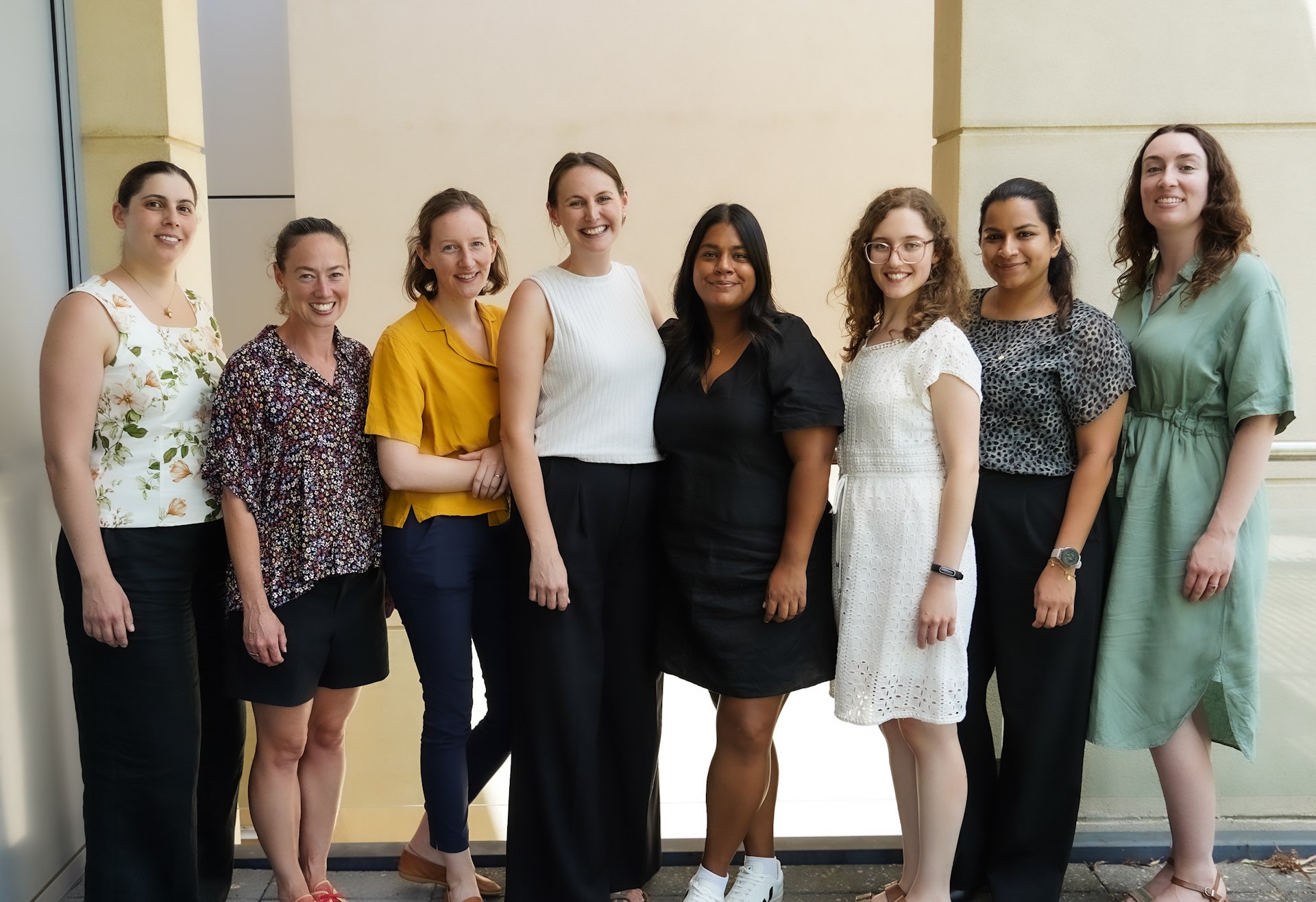
To celebrate International Day of Women and Girls in Science, we asked our research team to share why they became researchers, how autism became their focus and for their top tip for girls interested in pursuing a STEM career.
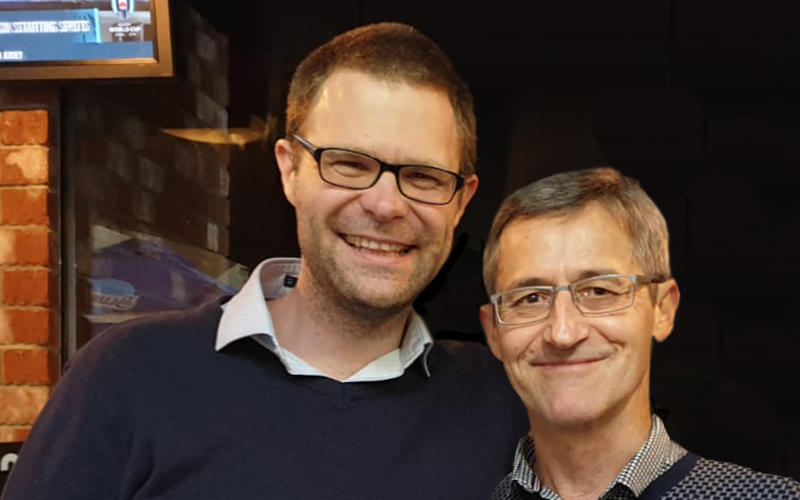
Director of CliniKids, Professor Andrew Whitehouse, and Professor Murray Maybery, have been identified as the world’s most frequent autism research collaborators of the decade.

Daniel Christensen, The Kids Research Institute Australia Life Course Centre research fellow, explained there was rapid change in a child’s brain in the first few years of life, making their home environment and relationship with carers incredibly important.