
Search
The rapid increase in the number of children diagnosed with autism spectrum disorders (ASD) in Western Australia reflects changes to diagnostic practices
This study aims to investigate the cellular and molecular profiles of the immune system in infants at high/low risk for Autism, as determined through clinical assessment.
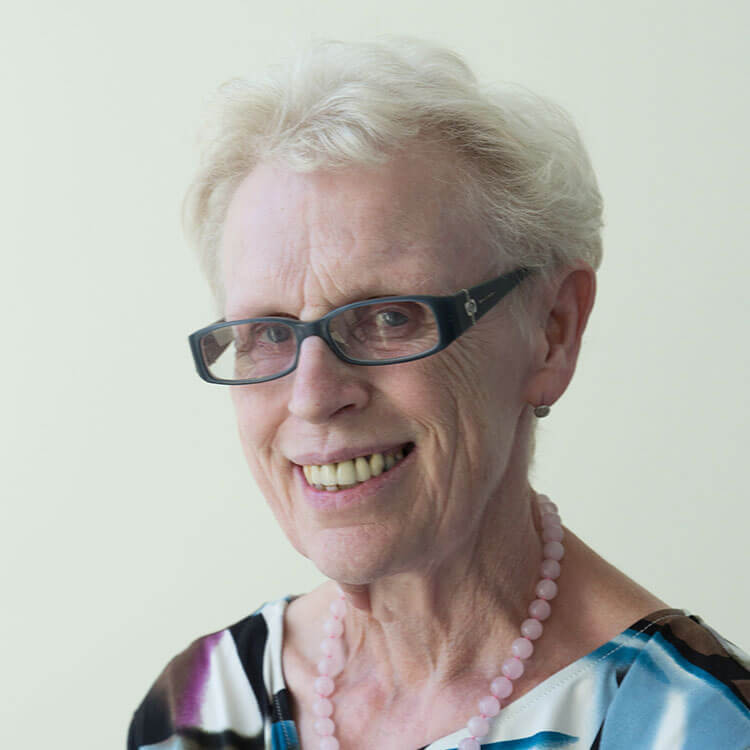
Principal Research Fellow
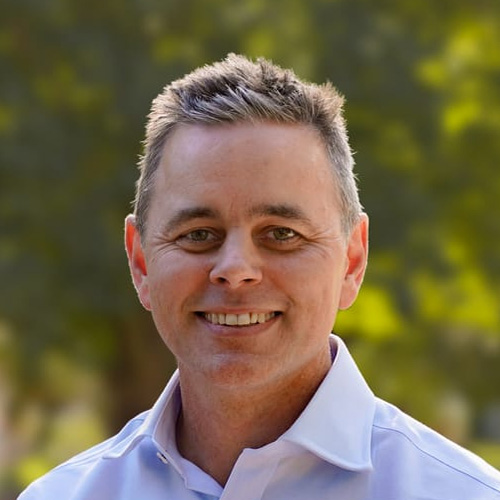
Head of Autism Research; Senior Principal Research Fellow

Senior Research Fellow

Deputy Director (Research); Angela Wright Bennett Professor of Autism Research at The Kids Research Institute Australia; Director, CliniKids
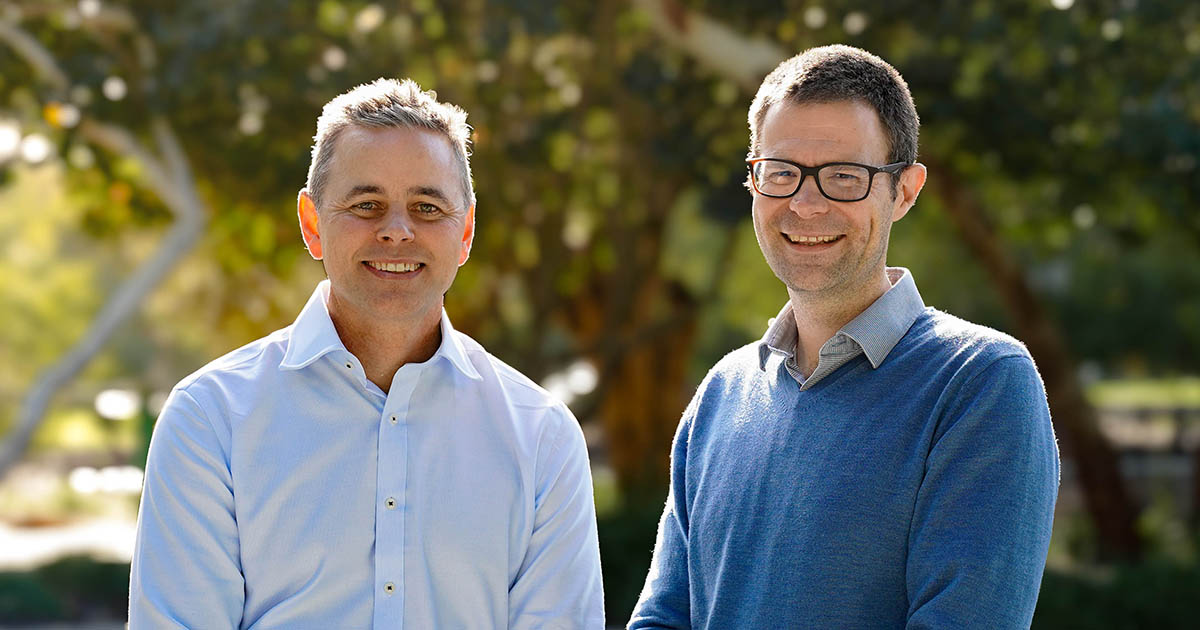
Researchers at The Kids Research Institute Australia have pushed back against claims by US President Donald Trump linking paracetamol use during pregnancy to autism.
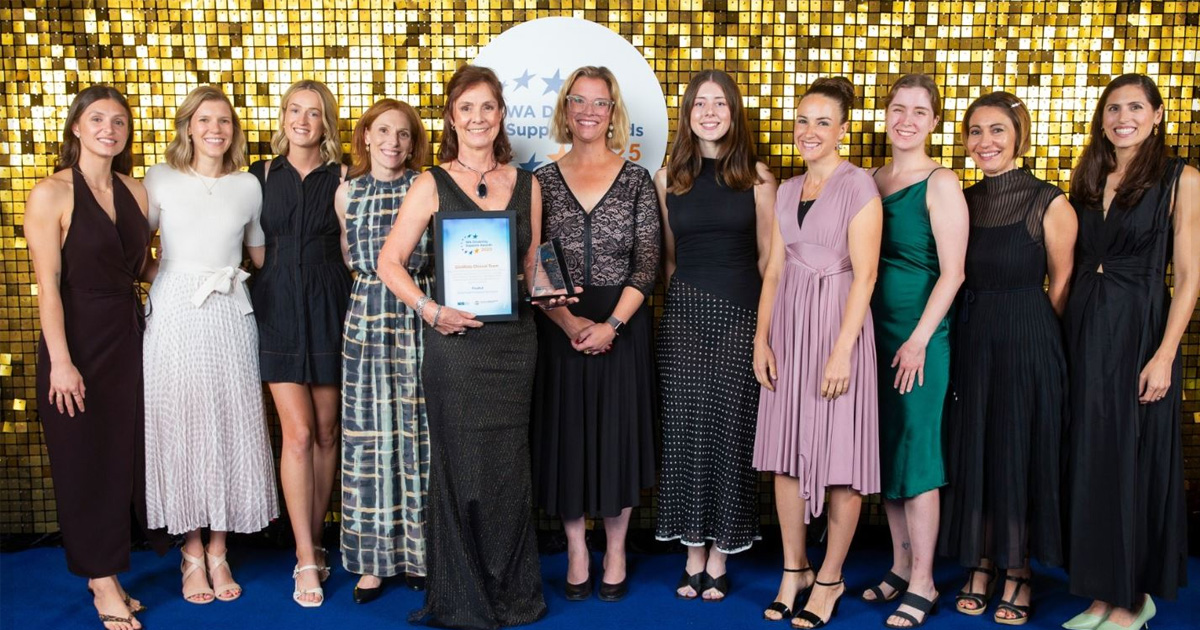
CliniKids has won the Allied Health Professionals category at the Western Australian Disability Support Awards, announced at Crown Perth on the weekend.
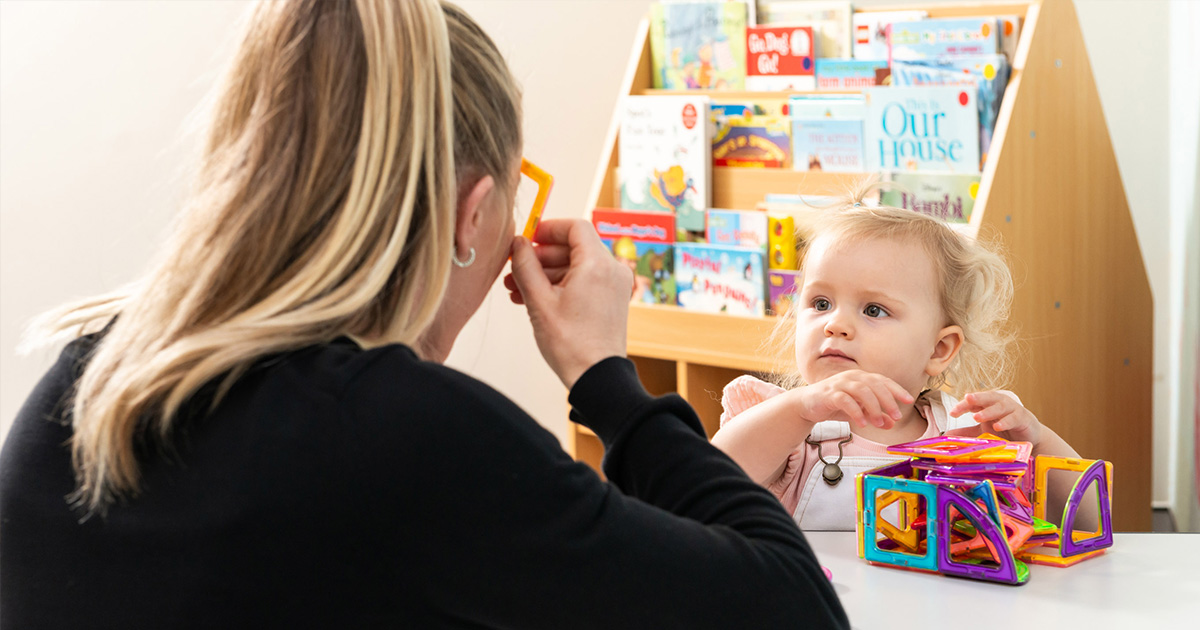
Today, on World Autism Day, we embrace the theme Celebrating Differences, recognising the unique strengths, perspectives, and contributions of autistic individuals.
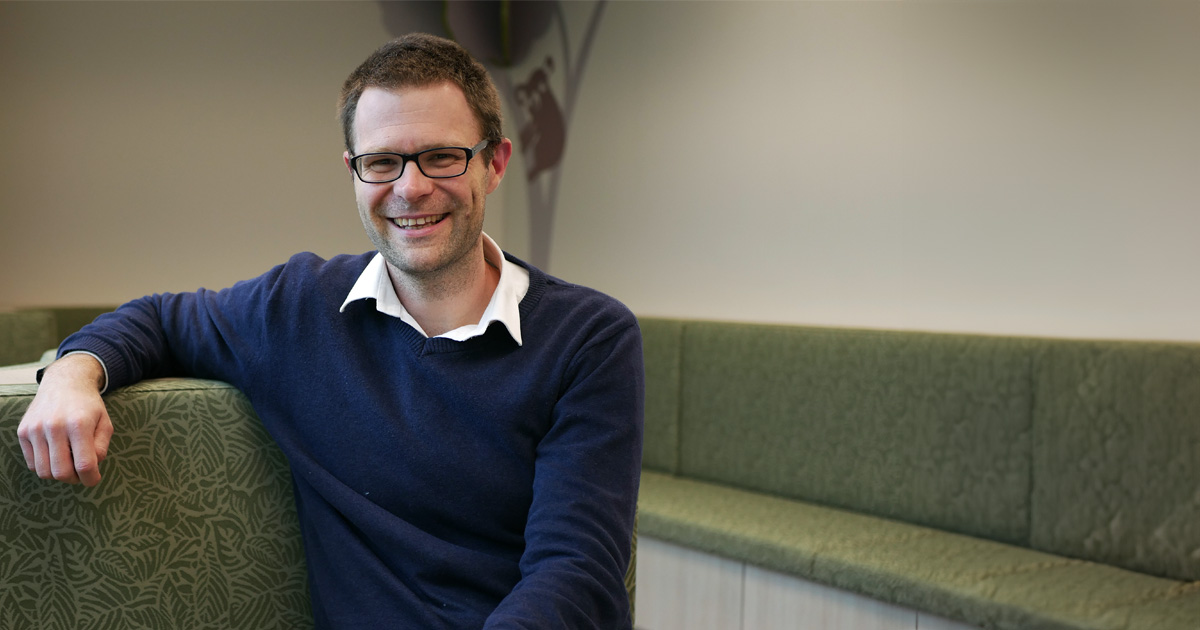
The Kids Research Institute Australia autism researcher Professor Andrew Whitehouse has been inducted as a Fellow to the International Society for Autism Research (INSAR), making him just the fourth Australian to be bestowed the honour.