
Search
Showing results for "A"
Children spend almost one-third of their waking hours at school. Streptococcus pyogenes (Strep A) is a common childhood bacterial infection that can progress to causing serious disease. We aimed to detect Strep A in classrooms by using environmental settle plates and swabbing of high-touch surfaces in two remote schools in the Kimberley, Western Australia.
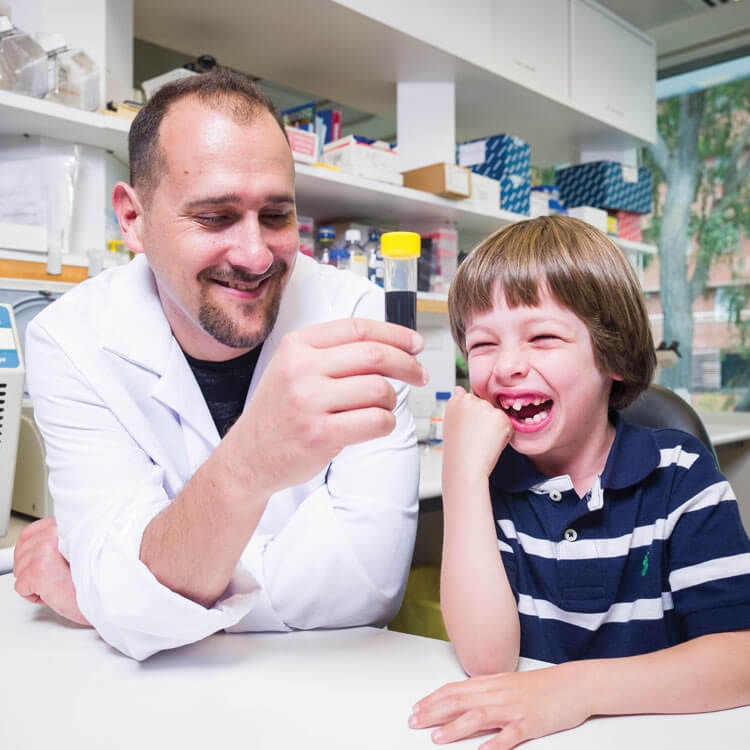
Thanks to an enabling donation from the Stan Perron Charitable Foundation, The Kids Research Institute Australia is home to one of the first paediatric personalised medicine research centres in the world.
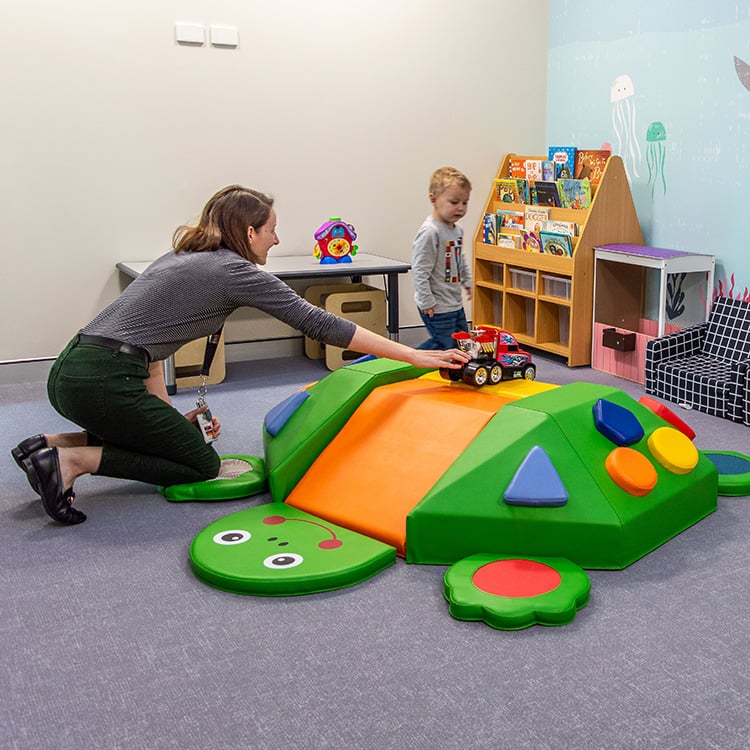
Find out how to access services at CliniKids.
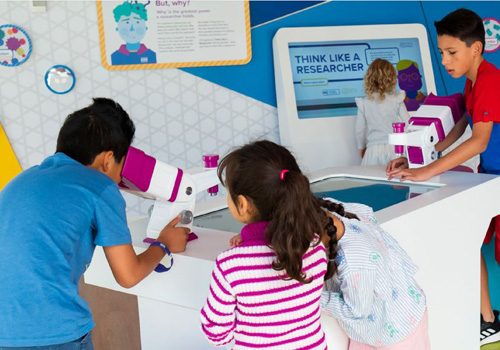
Everything you need to know to book an excursion at the The Kids Discovery Centre.
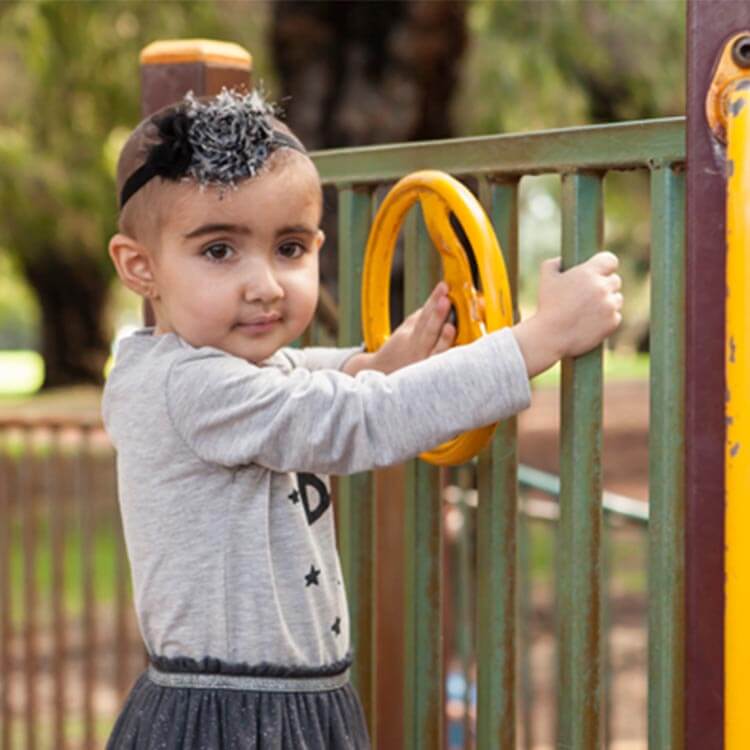
This evaluation explored the facilitators & barriers that influence Community Playgroup attendance, and the impact of attending playgroups on child development.
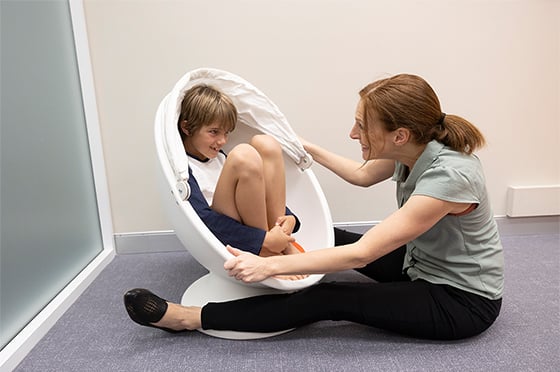
In this blog, Speech Pathology Lead Aria May explores how to talk to your child about a recent autism diagnosis.
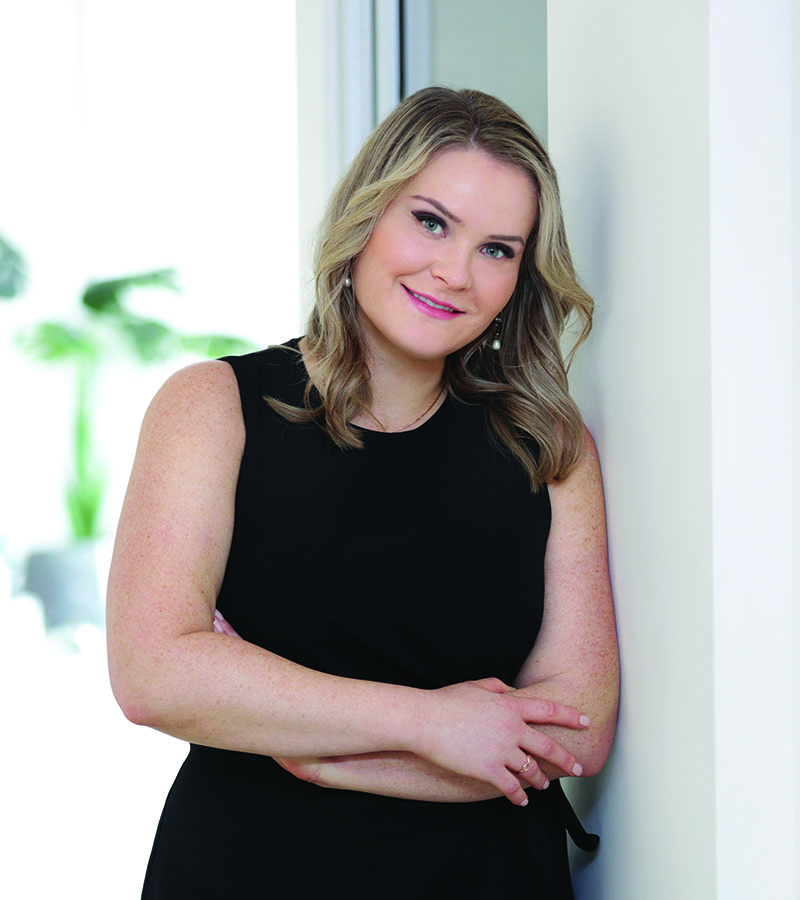
A series of suicides among young people south of Perth in 2016 sparked a major overhaul of how support is offered to the people left behind after someone takes their own life.

Two years on, Michelle and Dartanyon’s health and quality of life have significantly improved. We caught up with Michelle to hear about their journey since we first met them.
Adolescents with features of metabolic disorder or insulin resistance show impaired testicular function and altered hormone levels
We propose that hydroxychloroquine could be repurposed to reduce the risk of rheumatic heart disease after acute rheumatic fever