Search
Children’s interstitial and diffuse lung disease (chILD) is a complex heterogeneous group of lung disorders. Gene panel approaches have a reported diagnostic yield of ~ 12%. No data currently exist using trio exome sequencing as the standard diagnostic modality.
A population of neutrophils recruited into cystic fibrosis (CF) airways is associated with proteolytic lung damage, exhibiting high expression of primary granule exocytosis marker CD63 and reduced phagocytic receptor CD16. Causative factors for this population are unknown, limiting intervention. Here we present a laboratory model to characterize responses of differentiated airway epithelium and neutrophils following respiratory infection.
Infants with cystic fibrosis (CF) develop structural lung disease early in life, and viral infections are associated with progressive lung disease. We hypothesized that the presence of respiratory viruses would be associated with structural lung disease on computed tomography (CT) of the chest in infants with CF.
There is growing evidence that lung function in early-life predicts later lung function. Adverse events over the lifespan might influence an individual’s lung function trajectory, resulting in poor respiratory health. The aim of this study is to identify early-life risk factors and their impact on lung function trajectories to prevent long-term lung impairments.
In the Saline Hypertonic in Preschoolers (SHIP) study, inhaled 7% hypertonic saline improved the lung clearance index in children aged 3-6 years with cystic fibrosis, but it remained unclear whether improvement is also seen in structural lung disease. We aimed to assess the effect of inhaled hypertonic saline on chest CT imaging in children aged 3-6 years with cystic fibrosis.
ATP Binding Cassette Subfamily A Member 3 (ABCA-3) is a lipid transporter protein highly expressed in type-II alveolar (AT-II) cells. Mutations in ABCA3 can result in severe respiratory disease in infants and children. To study ABCA-3 deficiency in vitro, primary AT-II cells would be the cell culture of choice although sample accessibility is limited. Our aim was to investigate the suitability of primary nasal epithelial cells, as a surrogate culture model for AT-II cells, to study ABCA-3 deficiency.
To compare type 2 polysomnography (T2PSG) to the gold standard type 1 in-laboratory polysomnography (T1PSG) for diagnosing obstructive sleep apnea (OSA) in children; validate home T2PSG in children with suspected OSA.
The marked heterogeneity in cystic fibrosis (CF) disease complicates the selection of those most likely to benefit from existing or emergent treatments. We aimed to predict the progression of bronchiectasis in preschool children with CF.
The airway epithelium of children with wheeze is characterized by defective repair that contributes to disease pathobiology. Dysregulation of developmental processes controlled by Notch has been identified in chronic asthma. However, its role in airway epithelial cells of young children with wheeze, particularly during repair, is yet to be determined.
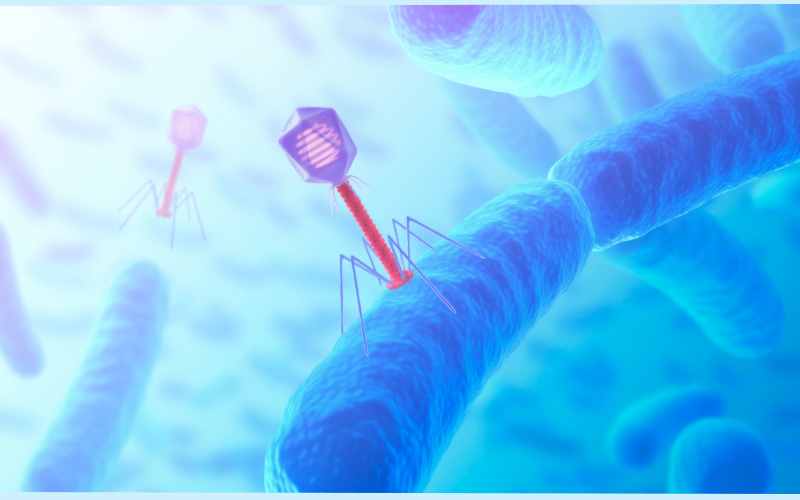
The emergence of multi-drug resistant (MDR) bacteria is recognised today as one of the greatest challenges to public health. As traditional antimicrobials are becoming ineffective and research into new antibiotics is diminishing, a number of alternative treatments for MDR bacteria have been receiving greater attention. Bacteriophage therapies are being revisited and present a promising opportunity to reduce the burden of bacterial infection in this post-antibiotic era.