
Search
Showing results for "A"

Create happy, healthy futures for generations of children
X-linked hypophosphatemia (XLH) is a rare, X-linked dominant condition with a high burden of both physical and psychosocial disease. This study aimed to describe the experience and burden of disease for children and adults living with XLH in Australia by inviting affected individuals and their carers to complete an online questionnaire. Of the 46 responses, half were completed by a person with XLH, and half by carers. Thirty percent were male, 33% were aged less than 18 yr.
Experiencing trauma may adversely impact a child’s education, and research in this field requires a deeper understanding about how those working in the education system, specifically pre-service teachers, can respond and support children impacted by trauma. Pre-service teachers, who are our future teachers, play a role in recognising and helping children when signs of trauma are revealed, but risk re-traumatising children if not adequately trained during their university education.
Dr Alix Woolard is the host of the Embracing the Mind podcast.
Mesothelioma is a rare and universally fatal cancer linked to exposure to asbestos. Until recently, standard of care treatment was chemotherapy; a treatment resulting in a minimal survival extension, and not improved upon for almost twenty years. However, the advent of cancer immunotherapy – and in particular the immune checkpoint inhibitor class of drugs - has resulted in recently approved new treatment options, with more currently under investigation.
We report a 4-year-old Australian Aboriginal girl who was born at 32 weeks gestation with features strongly suggestive of Silver-Russell syndrome
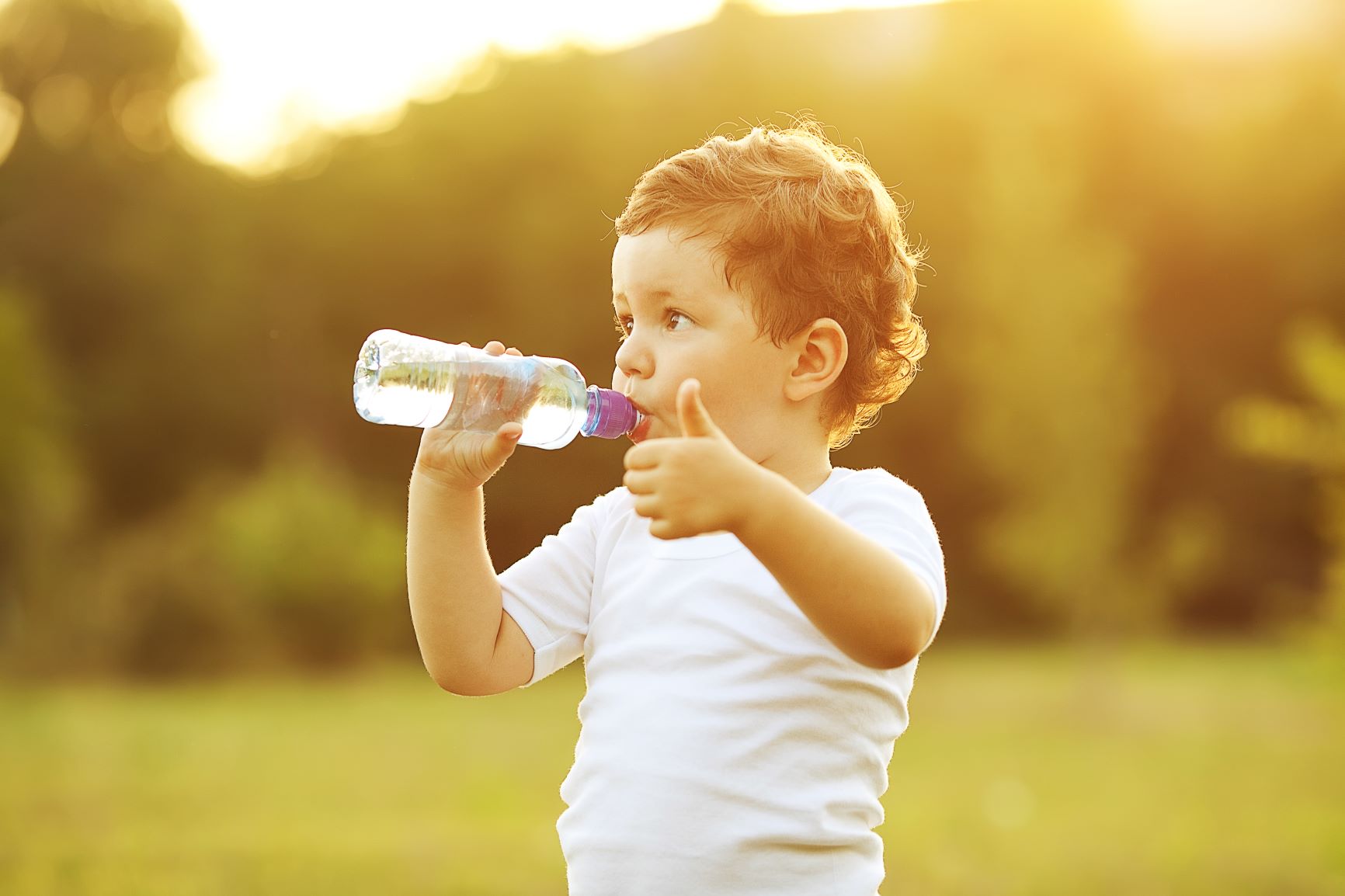
Supporting healthy tummies in bubs
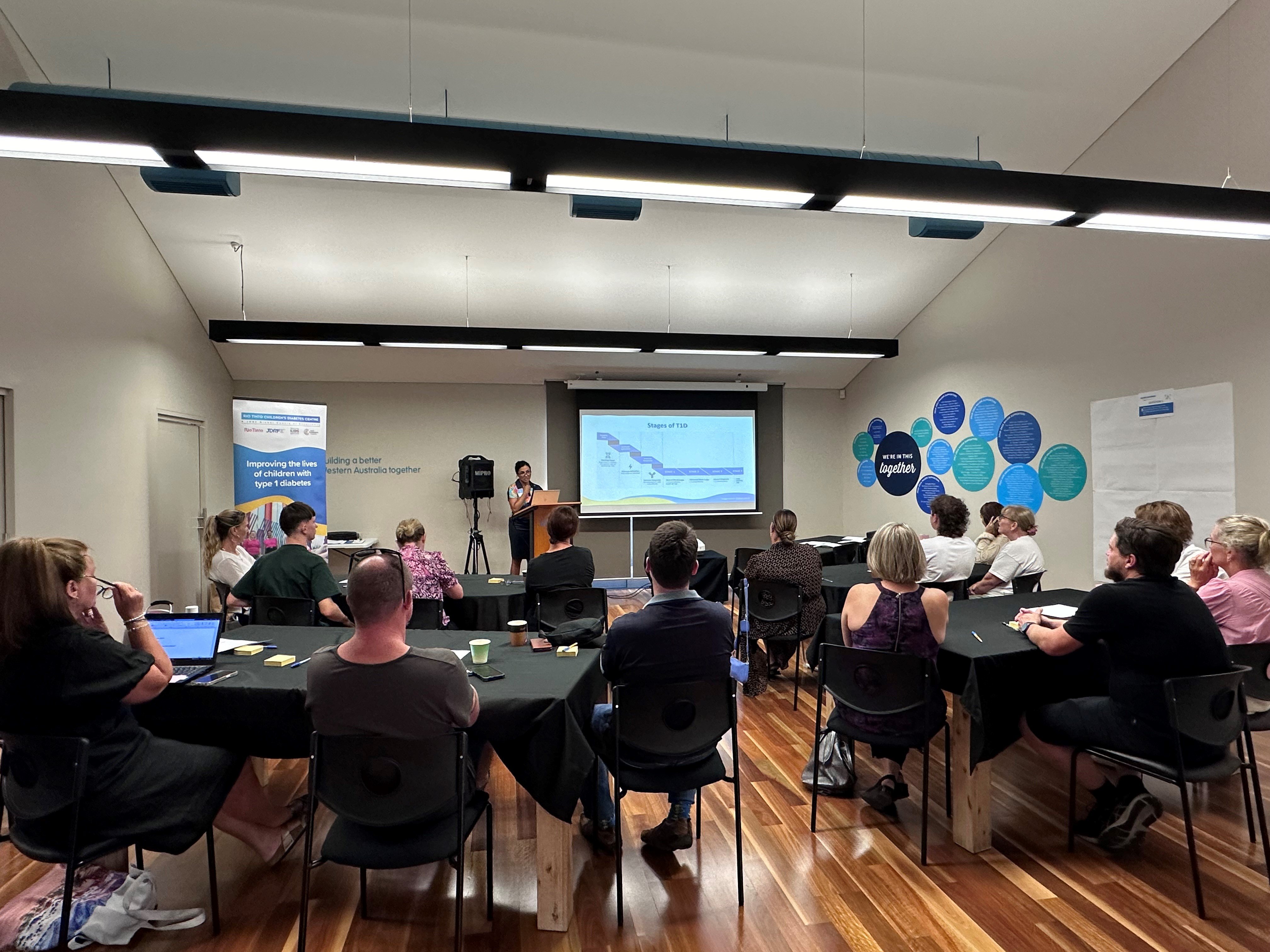
Find out how to participate in our research and community groups.
The Opportunity The Kids Research Institute Australia is seeking two highly motivated and talented post-doctoral researchers to develop and lead a
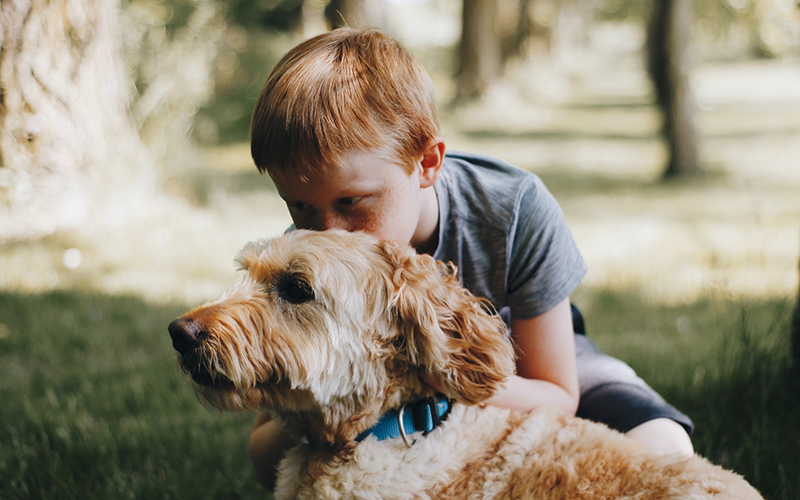
Study found children aged 2–5 years from dog-owning households had increased pro-social behaviours like sharing and cooperating, when compared to children without a dog.