
Search
Blood glucose management around exercise is challenging for youth with type 1 diabetes (T1D). Previous research has indicated interventions including decision-support aids to better support youth to effectively contextualize blood glucose results and take appropriate action to optimize glucose levels during and after exercise. Mobile health (mHealth) apps help deliver health behavior interventions to youth with T1D, given the use of technology for glucose monitoring, insulin dosing, and carbohydrate counting.
The Environmental Determinants of Islet Autoimmunity Study is an ongoing Australian prospective cohort study investigating how modifiable prenatal and early-life exposures drive the development of islet autoimmunity and type 1 diabetes in children. In this profile, we describe the cohort's parental demographics, maternal and neonatal outcomes and human leukocyte antigen genotypes.
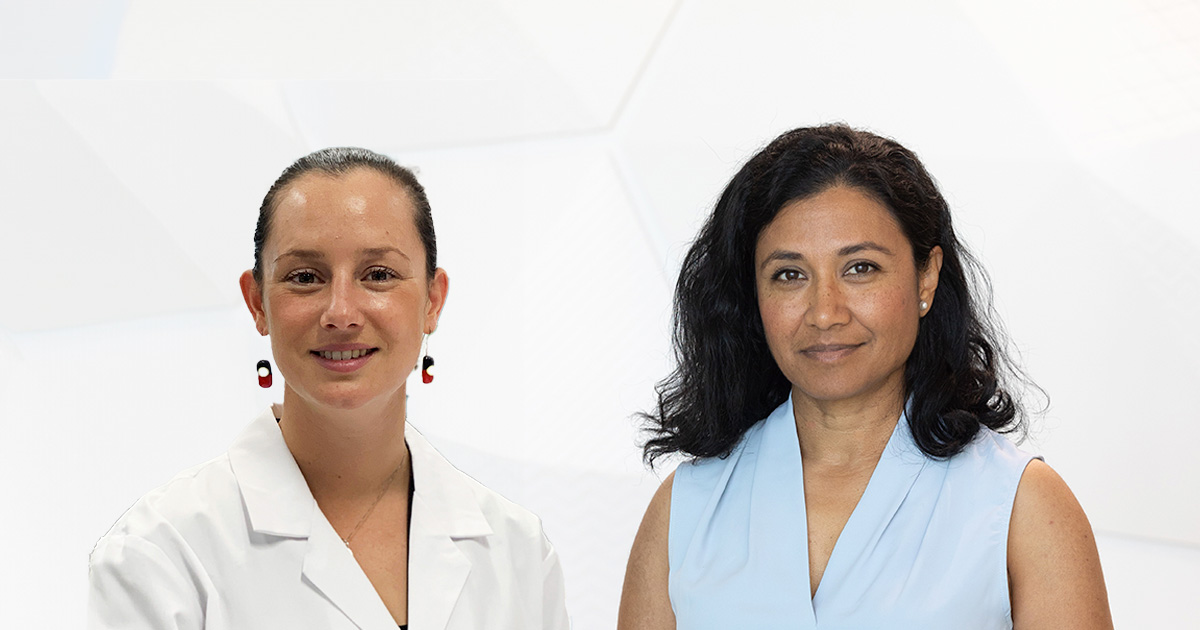
The generous support of Western Australians through Channel 7’s Telethon is helping to fund life-changing child health research, with two The Kids Research Institute Australia researchers awarded significant grants.
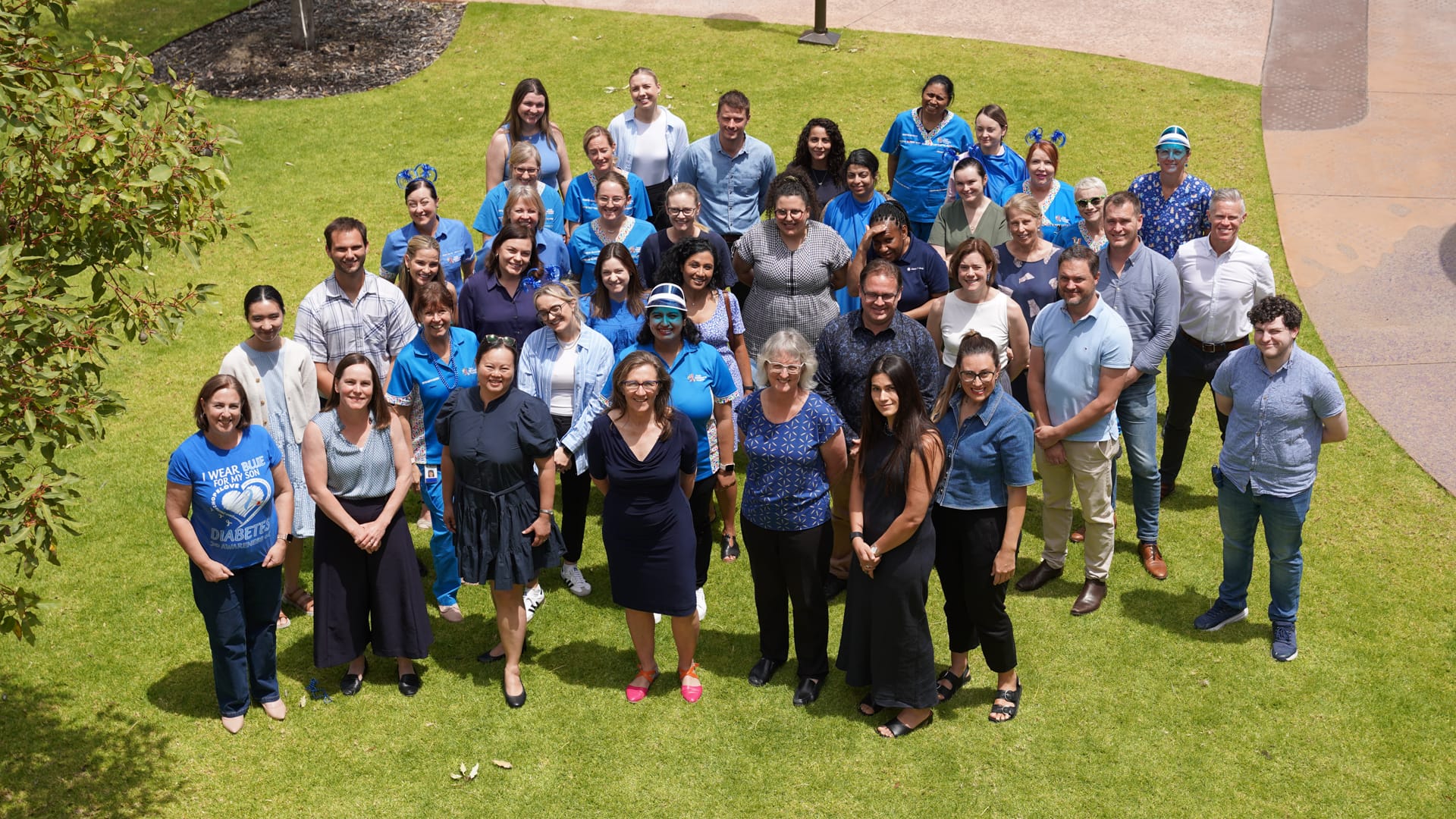
The Centre includes researchers at The Kids Research Institute Australia’s Diabetes Research Team and the Diabetes Service at the Perth Children’s Hospital.
Type 1 diabetes is a chronic autoimmune disease that results from the immune system attacking the insulin-producing cells of the pancreas. Unlike type 2 diabetes which is potentially preventable, type 1 is a non-preventable disease - currently, its exact cause is not known and there is no cure.
Many of the Centre's researchers have been responsible for discovering and contributing to real game-changers, making a difference to children with diabetes.

We are trying to understand what underlies mental health problems in young people with diabetes, with a school-related focus, and how we can best treat them.

Our research focuses on what are the best ways for patients with type 1 diabetes to exercise safely.
Much of our research focuses on the safety and the use of emerging technologies for insulin pumps and other diabetes treatment technology.