
Search

In this blog, Speech Pathology Clinical Lead Aria May looks at telehealth and how it can support children and families with their therapy goals.

In this blog, Occupational Therapist Ally Raphael offers tips for successful toilet training.

Deputy Director Andrew Whitehouse and Head of Autism / Senior Principal Research Fellow, David Trembath explore how the evolving definition of autism may affect the identification and support of autistic people, particularly those with the highest support needs. Published by The Conversation on the 14th May 2026.
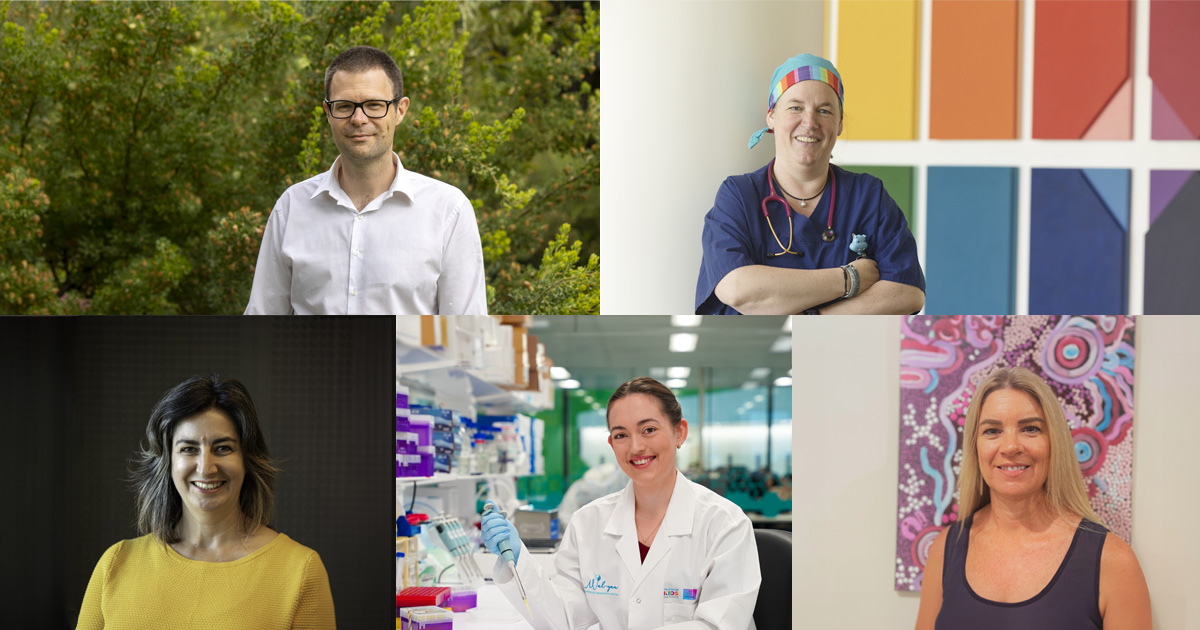
Five The Kids Research Institute Australia researchers working across diverse and highly impactful areas of child health research have been named as finalists for the 2023 Premier’s Science Awards.
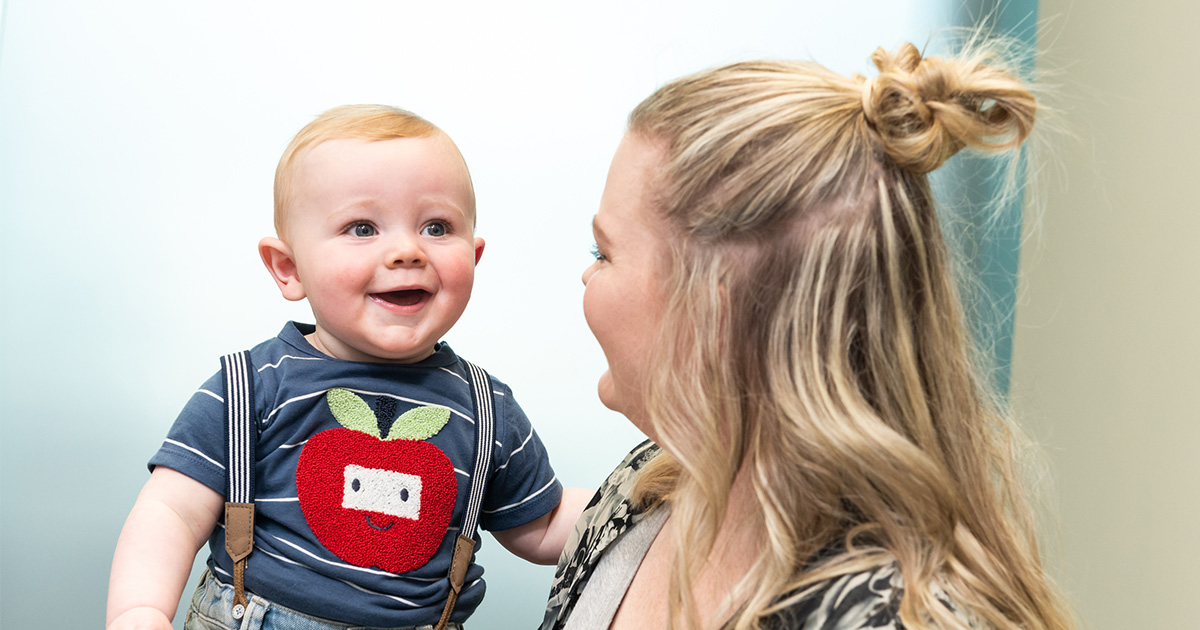
Inklings is a program to support babies aged 6-18 months showing early differences in their social interaction and communication development.

In this blog, Speech Pathology Clinical Lead Aria May discusses serve and return interactions to promote connection and communication with your child.
The number of words children produce (expressive vocabulary) and understand (receptive vocabulary) changes rapidly during early development, partially due to genetic factors. Here, we performed a meta-genome-wide association study of vocabulary acquisition and investigated polygenic overlap with literacy, cognition, developmental phenotypes, and neurodevelopmental conditions, including attention-deficit/hyperactivity disorder.
Past research has highlighted the importance of early identification of developmental differences to improve targeted access to early interventions or supports. As such, it is of particular importance in the context of children at elevated likelihood of autism (such as where an older sibling has a diagnosis of autism), to better understand when and which early concerns are important as predictors of which children will benefit from pre-diagnostic supports.
The identification of reproducible subtypes within autistic populations is a priority research area in the context of neurodevelopment, to pave the way for identification of biomarkers and targeted treatment recommendations. Few previous studies have considered medical comorbidity alongside behavioural, cognitive, and psychiatric data in subgrouping analyses.
A broad range of interests characterized by unusual content and/or intensity, labeled as circumscribed interests are a core diagnostic feature of autism. Recent evidence suggests that a distinction can be drawn between interests that, although characterized by unusually high intensity and/or inflexibility, are otherwise common in terms of their content (e.g., an interest in movies or animals), labeled as restricted interests and interests that are generally not salient outside of autism (e.g., an interest in traffic lights or categorization), labeled as unusual interests.