
Search
The Environmental Determinants of Islet Autoimmunity Study is an ongoing Australian prospective cohort study investigating how modifiable prenatal and early-life exposures drive the development of islet autoimmunity and type 1 diabetes in children. In this profile, we describe the cohort's parental demographics, maternal and neonatal outcomes and human leukocyte antigen genotypes.
Globally, nearly 9 million people are living with type 1 diabetes (T1D). Although the incidence of T1D is not affected by socioeconomic status, the development of complications and limited access to modern therapy is overrepresented in vulnerable populations. Diabetes technology, specifically continuous glucose monitoring and automated insulin delivery systems, are considered the gold standard for management of T1D, yet access to these technologies varies widely across countries and regions, and varies widely even within high-income countries.
To evaluate real-world glycaemic outcomes in children with type 1 diabetes commencing advanced hybrid closed loop therapy and to explore these outcomes based on the cohort's clinical and socioeconomic characteristics.
A type 1 diabetes (T1D) transition clinic in Sydney, Australia, provides age specific care for young adults (aged 16-25 years) and for adults (aged 21 years and above), and has reported improved clinical outcomes post transition to adult care over a 21-year period. This study investigated the contribution of digital technology to long-term resilient capacity of the clinic.
Humans are commonly exposed to plastic through their dietary intake and food consumption patterns. Plastic-associated chemicals (PAC), such as bisphenols and phthalates, are recognized as endocrine-disrupting and are associated with increased risk of cardiovascular disease and metabolic syndrome. However, accurate methods to assess dietary exposure to plastic products and PAC are inadequate, limiting interrogation of health impacts.
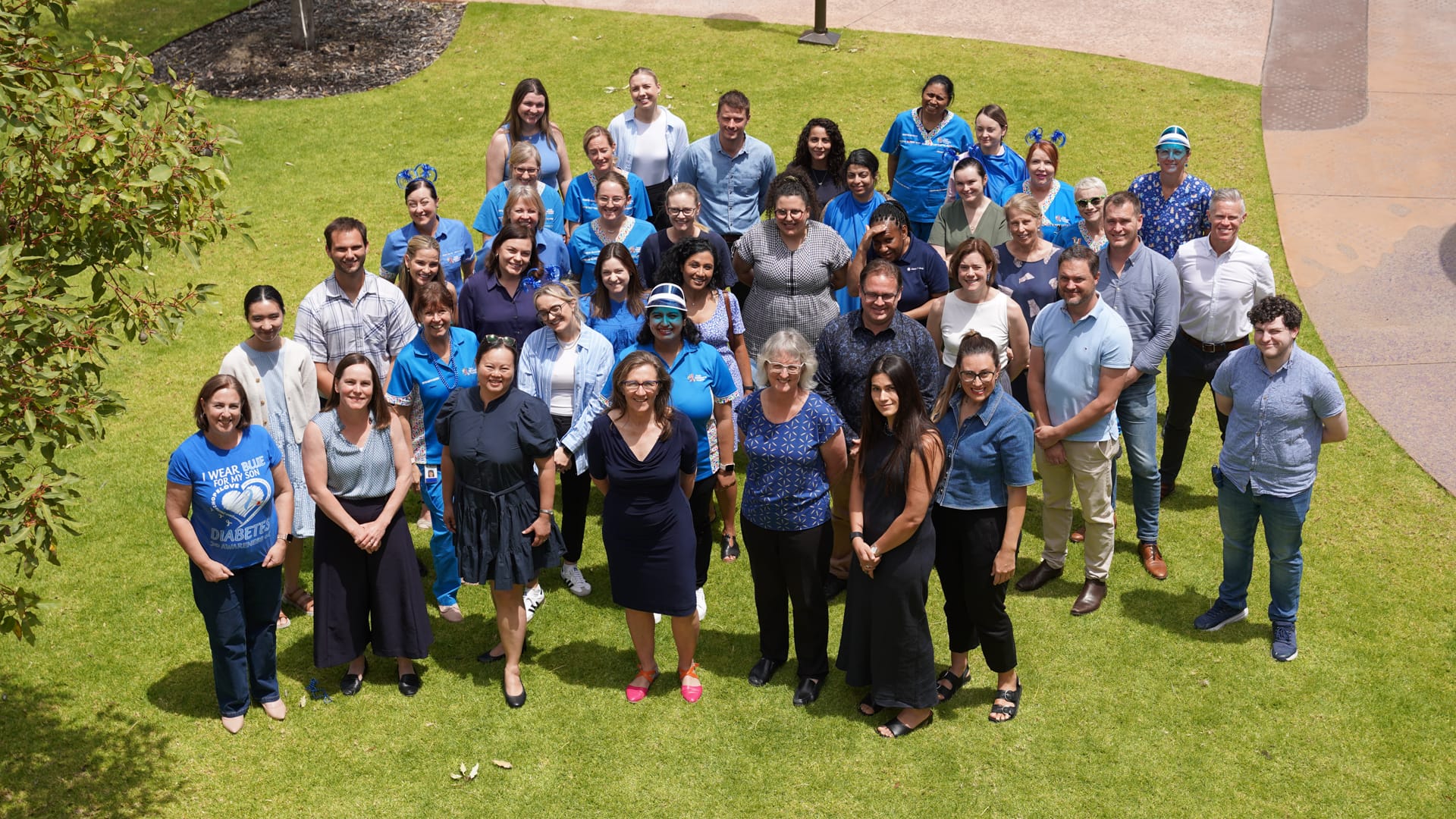
The Centre includes researchers at The Kids Research Institute Australia’s Diabetes Research Team and the Diabetes Service at the Perth Children’s Hospital.
Type 1 diabetes is a chronic autoimmune disease that results from the immune system attacking the insulin-producing cells of the pancreas. Unlike type 2 diabetes which is potentially preventable, type 1 is a non-preventable disease - currently, its exact cause is not known and there is no cure.
Many of the Centre's researchers have been responsible for discovering and contributing to real game-changers, making a difference to children with diabetes.

We are trying to understand what underlies mental health problems in young people with diabetes, with a school-related focus, and how we can best treat them.