
Search
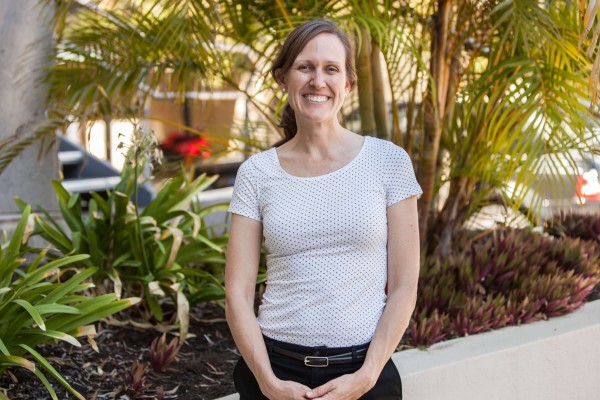
One of Australia’s leading infectious disease experts, Associate Professor Asha Bowen, has been announced as a finalist for the country’s leading national science awards – the Australian Museum Eureka Prizes.
To evaluate the effectiveness of maternal pertussis vaccination for preventing pertussis infections in Aboriginal and Torres Strait Islander infants under seven months of age.
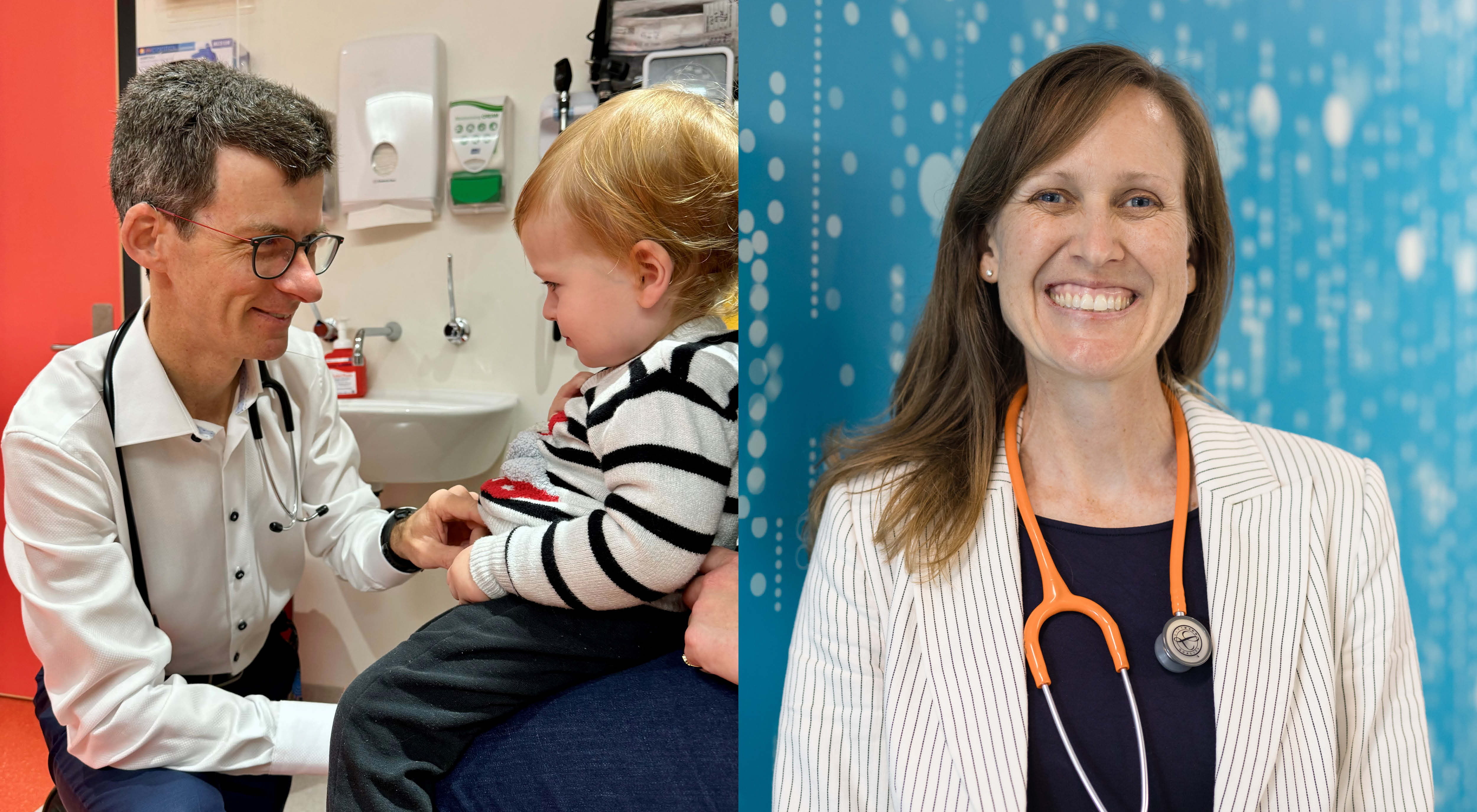
Two Perth clinician-scientists have been recognised as national leaders in infectious disease research after being elected as Fellows of the esteemed Australian Academy of Health and Medical Sciences.
We have quantified the relative influence of perinatal risk factors associated with skin infection hospitalisations in WA children
Sepsis is a significant cause of mortality for children in Australia, particularly affecting young children, those with pre-existing health conditions and Aboriginal and Torres Strait Islander populations. The transition from hospital to home can be challenging for survivors, often leaving long-term impacts unaddressed.
Rates of several vaccine preventable diseases, and associated hospitalisation, are higher among Aboriginal and/or Torres Strait Islander children than non-Indigenous children. Western Australia has among the lowest childhood vaccine coverage in Australia, particularly among Aboriginal and/or Torres Strait Islander children. Delayed vaccination is also more common in this population. This project aimed to understand the barriers and facilitators to vaccine uptake and timeliness among Aboriginal and/or Torres Strait Islander children aged under five years in Boorloo (Perth).
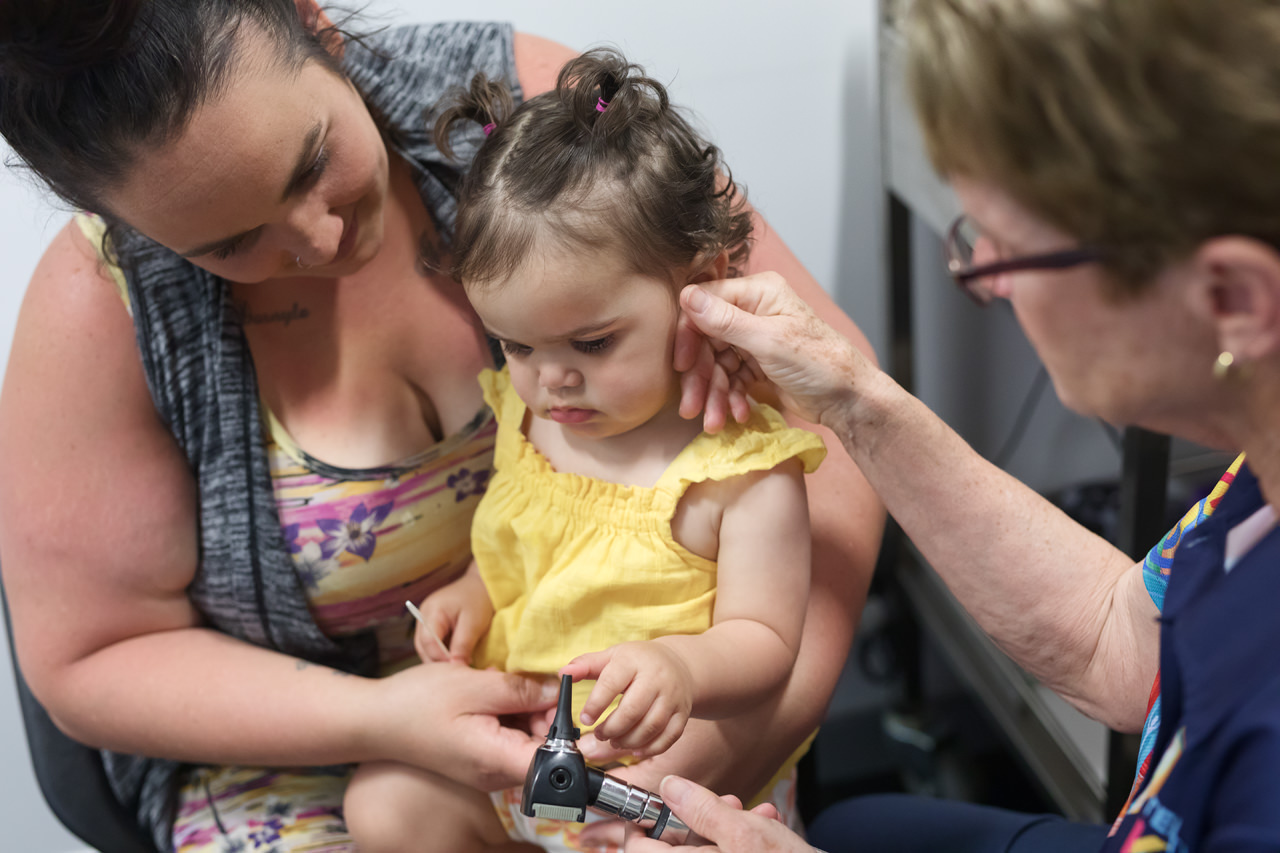
Researchers from The Kids Research Institute Australia have been awarded a $1.1 million NHMRC ‘Targeted Call for Hearing Health’ grant to conduct the first ever study following Aboriginal babies from birth through to five years to uncover the true prevalence of middle ear infections and hearing loss.
The Kids researchers will use nearly $8.5 million awarded by the National Health and Medical Research Council (NHMRC) to tackle health issues including respiratory disease, brain cancer, vaccination and Aboriginal health.
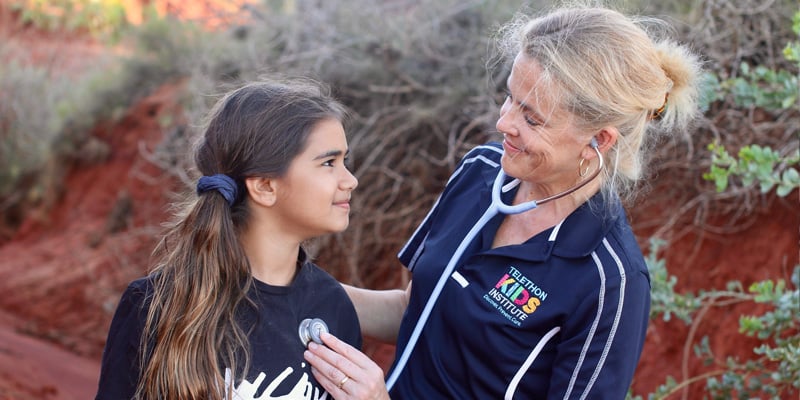
Almost one in five children across four remote Kimberley communities has some form of chronic lung disease, according to a new study co-designed and conducted in partnership with Aboriginal communities.
A new national network will be established to advance the benefits from Genomic Medicine for Aboriginal and Torres Strait Islander people living in Australia.