
Search
Nontypeable Haemophilus influenzae (NTHi) is a major otitis media (OM) pathogen, with colonization a prerequisite for disease development. Most acute OM is in children <5 years old, with recurrent and chronic OM impacting hearing and learning. Therapies to prevent NTHi colonization and/or disease are needed, especially for young children. Respiratory viruses are implicated in driving the development of bacterial OM in children.
Immune checkpoint therapy (ICT) causes durable tumour responses in a subgroup of patients, but it is not well known how T cell receptor beta (TCRβ) repertoire dynamics contribute to the therapeutic response.
Early life is a key period that determines long-term health. Lung development in childhood predicts lung function attained in adulthood and morbidity and mortality across the life course. We aimed to assess the effect of early-life lower respiratory tract infection (LRTI) and associated risk factors on lung development from birth to school age in a South African birth cohort.
Treatment options for viral lung infections are currently limited. We aimed to explore the safety and efficacy of inhaled ethanol in an influenza-infection mouse model.
Preterm infants are often vitamin A deficient, and vitamin A has functions that could mitigate the processes that lead to bronchopulmonary dysplasia. Therefore, supplementation of preterm infants with vitamin A to reduce the risk of bronchopulmonary dysplasia makes inherent sense.
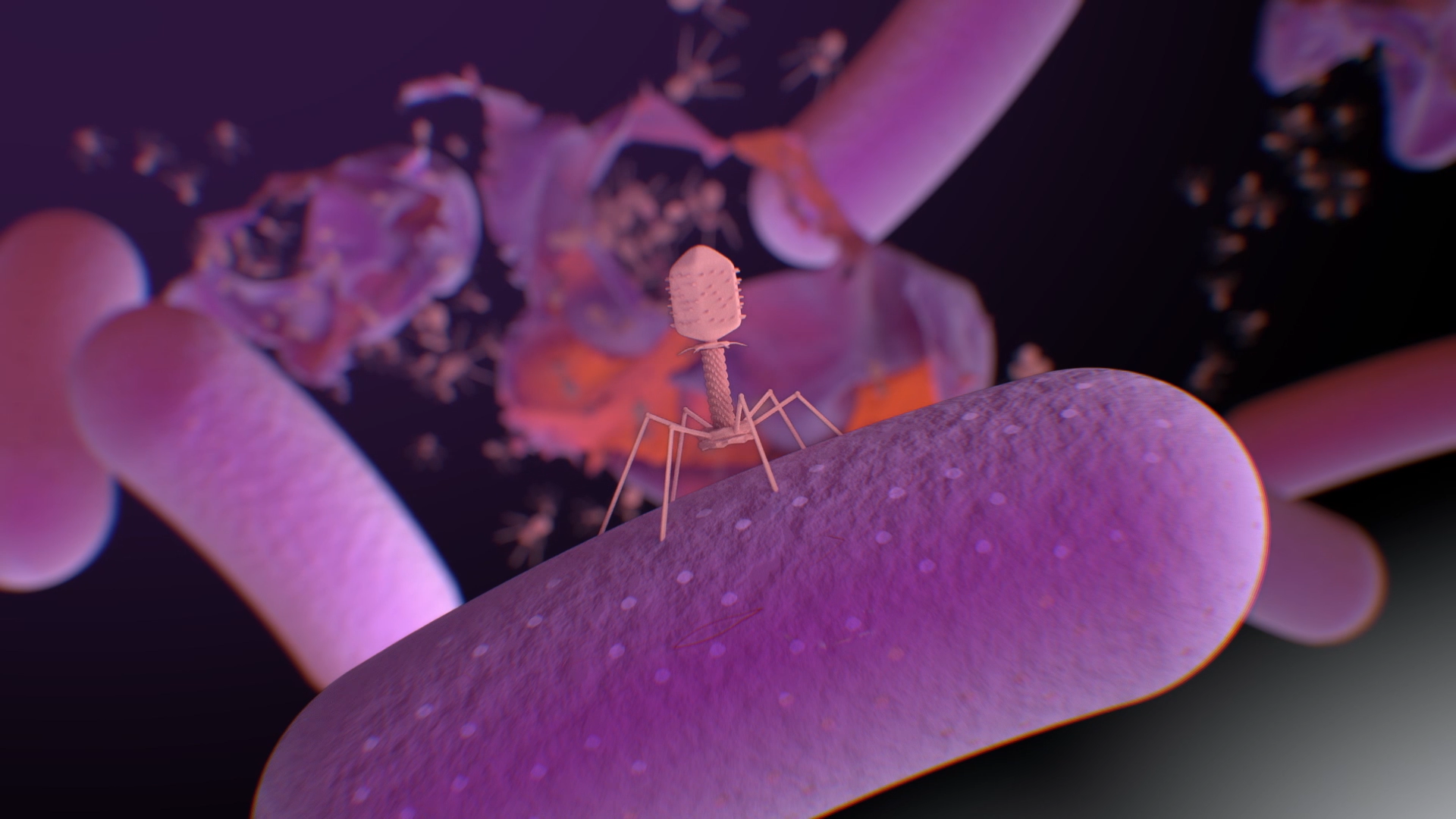
START Phage WA was formed to pave the way towards treating AMR infections with phage therapy in Western Australia.
Phage WA have a number of projects underway and these cover a broad range of phage research areas.
"Compassionate Use" treatments are novel treatments not widely available to everyone, but ones that holds great promise for potentially becoming a widely used treatment in the future.
Community involvement plays an integral role in guiding our research - find out how.
Find out how you can get involved with our work at Phage WA.