
Search

Head, Developmental Chronobiology
Graham Jane Shannon Hall Pillow Simpson BAppSci PhD CRFS FANZSRS FThorSoc FERS BMedSci (Dist) MBBS, PhD (Dist) FRACP BMedSci (hons), PhD Honorary
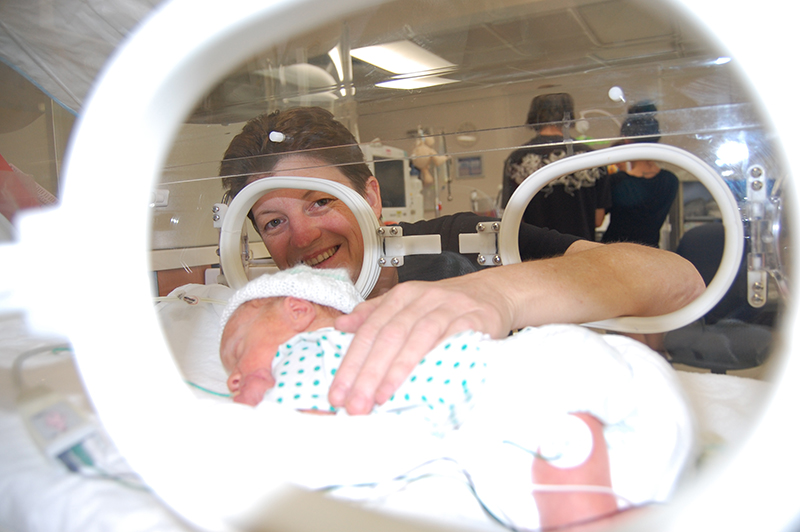
The Chronobiology team works to understand the factors that contribute to poor lung and heart function in newborn infants and find ways to prevent heart and lung disease.
A Cochrane 2016 review indicated cycled light might benefit neonatal health in hospital. We systematically reviewed chronobiological factors for neonatal health in hospital units, identifying 56 relevant studies on light-dark cycles, feeding, noise, massage therapy, rooming-in, incubators vs. cribs, neonatal units vs. homes, and time-of-day of birth. Empirical evidence for benefits from chronobiology is weaker than expected, including light.
Inflammation and oxidative stress play a key role in the development of bronchopulmonary dysplasia (BPD), possibly contributing to persistent respiratory morbidity after preterm birth. We aimed to assess if inflammatory markers were elevated in exhaled breath condensate (EBC) of infants born very prematurely (< 32 weeks gestation) at 12-16 corrected months of age, and if increased levels were associated with BPD diagnosis and respiratory morbidity.
Preterm infants have immature control of breathing and impaired pulmonary gas exchange. We hypothesized that infants with bronchopulmonary dysplasia (BPD) have a blunted ventilatory response and peripheral oxygen saturation (SpO2 ) instability during a hypoxic challenge.
Understand how bronchopulmonary dysplasia (BPD) and antenatal and postnatal factors influence diaphragmatic functional effectiveness in very preterm infants.
Surfactant is a well-established therapy for preterm neonates affected by respiratory distress syndrome (RDS). The goals of different methods of surfactant administration are to reduce the duration of mechanical ventilation and the severity of bronchopulmonary dysplasia (BPD); however, the optimal administration method remains unknown.
Data on static compliance of the chest wall (Ccw) in preterm infants are scarce. We characterized the static compliance of the lung and Ccw to determine their relative contribution to static compliance of the respiratory system in very preterm infants at 36 wk postmenstrual age. We also aimed to investigate how these compliances were influenced by the presence of bronchopulmonary dysplasia and impacted breathing variables.
Preterm infants are often vitamin A deficient, and vitamin A has functions that could mitigate the processes that lead to bronchopulmonary dysplasia. Therefore, supplementation of preterm infants with vitamin A to reduce the risk of bronchopulmonary dysplasia makes inherent sense.