
Search
The current study provides preliminary evidence that machine learning algorithms provide equivalent predictive accuracy to traditional methods for language difficulties in middle childhood
The objective was to evaluate the Alcohol and Pregnancy Project that provided health professionals in Western Australia (WA) with educational resources
The aim of the current study was to investigate the risk factors present at 2 years for children who showed language difficulties that persisted
The prevalence of vitamin D deficiency is increasing and has been linked to obstructive lung diseases including asthma and chronic obstructive pulmonary disease
Our results demonstrate a range of multiple risk profiles in a population-representative sample of Australian children and highlight the mix of risk factors faced by children
A recent genome-wide association study identified variants near CCNL1/LEKR1 (rs900400) and in ADCY5 (rs9883204) to be associated with birth weight.
Parent–child book reading interventions alone are unlikely to meet needs of children and families for whom the absence of reading is psychosocial risk factor
The prevalence of overweight and obesity in children is a public health problem because of future morbidity.
Maltreated children are at high risk for low educational achievement, however few studies have accounted for confounding risk factors that commonly co-occur (including child, family and neighbourhood risk factors) and results have been mixed, particularly for adolescents.
The aim of this study was to examine the in vitro response of isolated human airways to the dynamic mechanical stretch associated with normal breathing.
Nonverbal IQ is not on the same causal pathway as language impairments
Polyunsaturated fatty acid intake and blood pressure in adolescents, cross-sectional associations, BP and dietary intake of PUFAs, adolescents, aged 13-15 years
The aim of this study was to assess whether in utero tobacco smoke exposure alone affects early-life lung growth and development. Pregnant BALB/c mice...
Though exposure to air pollution has a detrimental effect on respiratory health, few studies have examined the association between elemental carbon exposure...
The Western Australian Influenza Vaccine Effectiveness study commenced in 2008 to evaluate a new program to provide free influenza vaccine to all children...

The effects of educational advantage or disadvantage get handed down through the generations according to a new study by researchers at the The Kids.
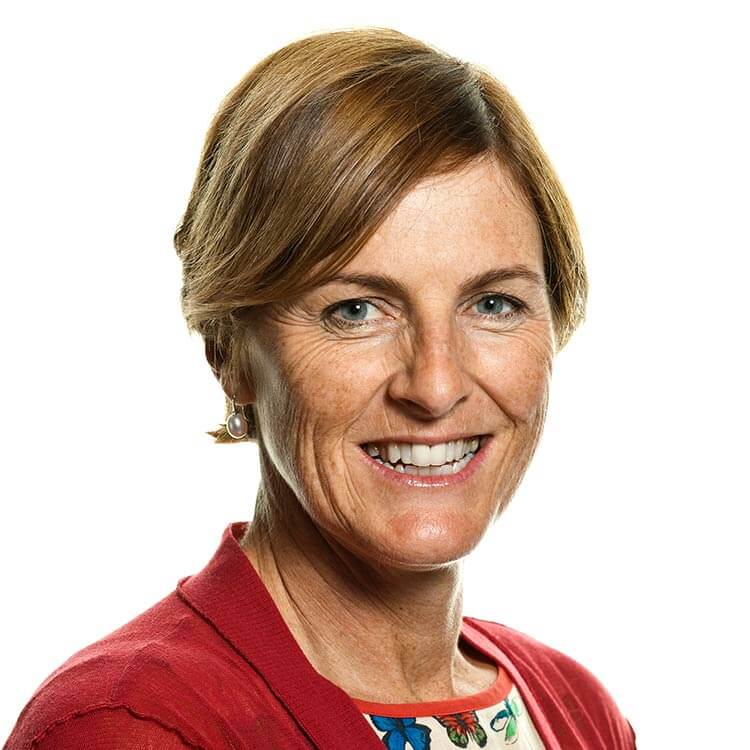
Professor Cate Taylor, is part of an International cohort of researchers to secure over €1.45million in grant funding from the EU’s Horizon 2020 programme.

Four The Kids Research Institute Australia researchers are among those who have received funding in the WA State Government's Merit Award Program announced today.
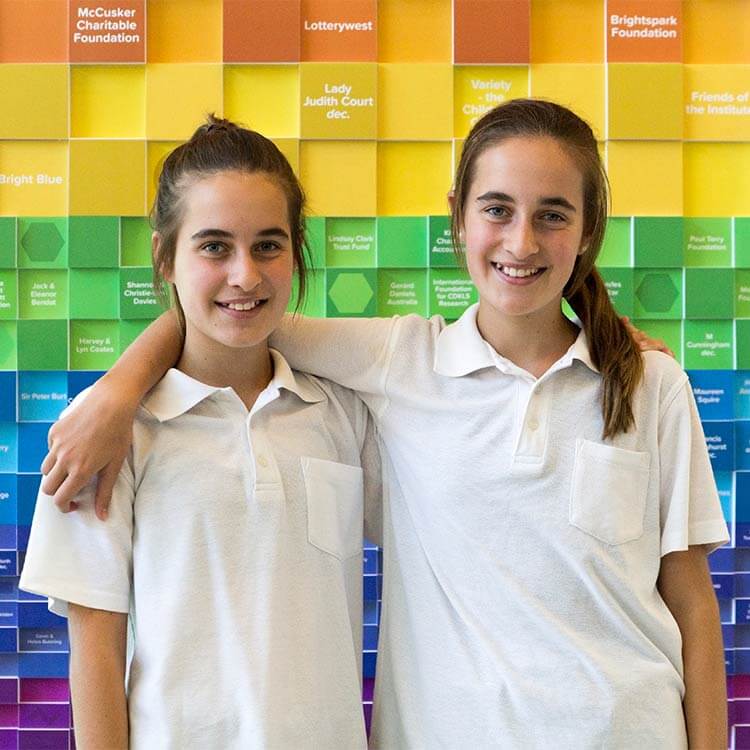
A world first study of language development in toddler twins confirms the widely held belief that twins start to talk later than single-born children.