
Search
Non-communicable diseases (NCDs) such as cancer, diabetes, heart disease, mental disorder and chronic lung conditions are the leading cause of death and disability in Indonesia. Adolescence is when risks for NCDs emerge and it is also an important life stage for intervention, yet young people are often at the margins of NCD policy and actions.
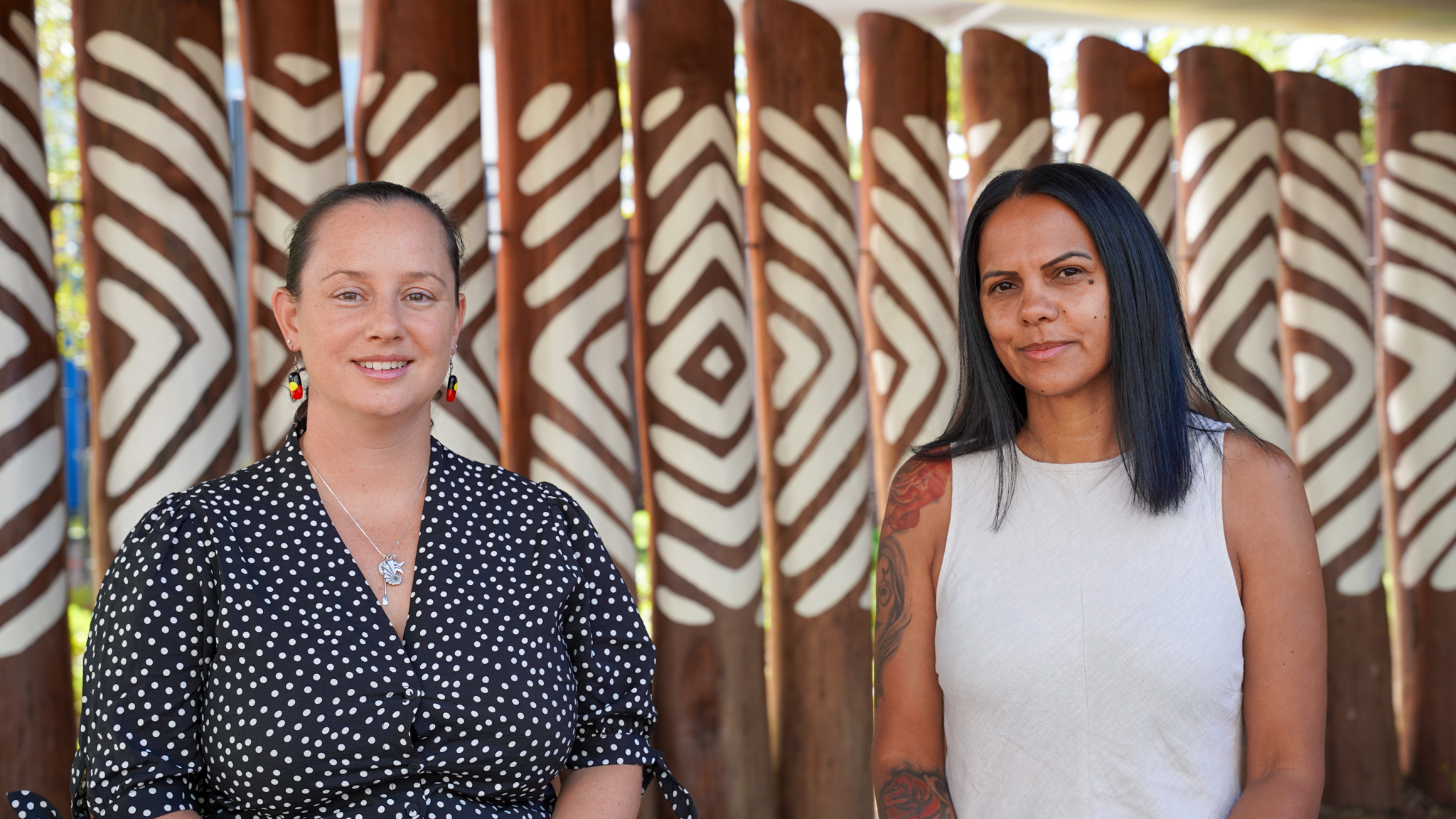
A first of its kind research program at The Kids Research Institute Australia aims to develop new strategies to better treat Aboriginal and Torres Strait Islander children with cancer.

It was during a time of grief that John Mearns was inspired to make a difference.

Eight The Kids Research Institute Australia-led projects will benefit from the latest round of WA Child Research Fund (WACRF) grants, announced this week by Medical Research Minister Stephen Dawson.

Several The Kids Research Institute Australia researchers will share in more than $7.5 million in prestigious Investigator Grants to pursue a range of innovative child health research.
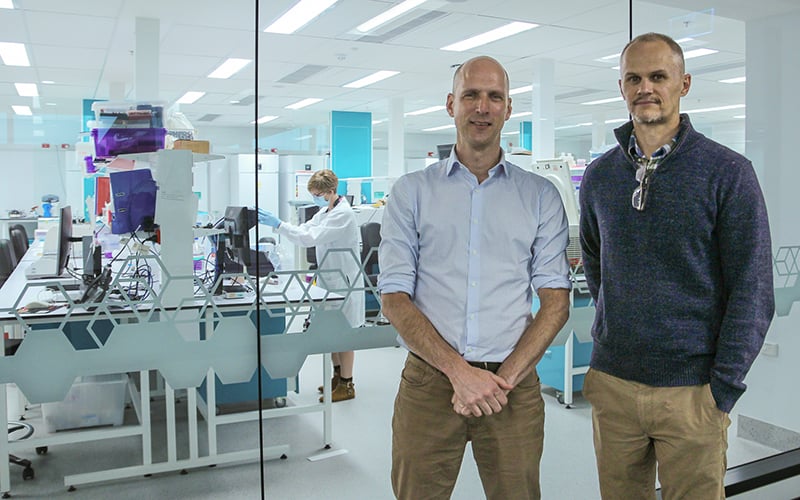
Researchers at The Kids Research Institute Australia and UWA will use a $500,000 CUREator grant to progress the development of the first cancer immunotherapy in a tablet.