
Search
Event-free survival considers other adverse events in addition to mortality. It therefore provides a more complete understanding of the effectiveness and consequences of treatment than standard survival measures, but is rarely reported at the population level for childhood cancer.
Antibodies that target immune checkpoints such as cytotoxic T lymphocyte antigen 4, programmed cell death protein/ligand 1 are approved for treatment of multiple cancer types.
Siblings of children with cancer have been shown to experience disruption in multiple domains including family, school, and friendships. Existing literature on siblings' experiences focuses on older children or on a broad range of ages.
Children receiving treatment for acute myeloid leukemia (AML) are at high risk of invasive fungal disease (IFD). Evidence from pediatric studies support the efficacy of antifungal prophylaxis in reducing the burden of IFD in children receiving therapy for AML, yet existing antifungal agents have specific limitations and comparative data to inform the optimal prophylactic approach are lacking.
Platinum-based chemotherapy in combination with anti-PD-L1 antibodies has shown promising results in mesothelioma. However, the immunological mechanisms underlying its efficacy are not well understood and there are no predictive biomarkers to guide treatment decisions.

Six scientists from The Kids Research Institute Australia have been named finalists across five categories in the 2026 Premier's Science Awards.
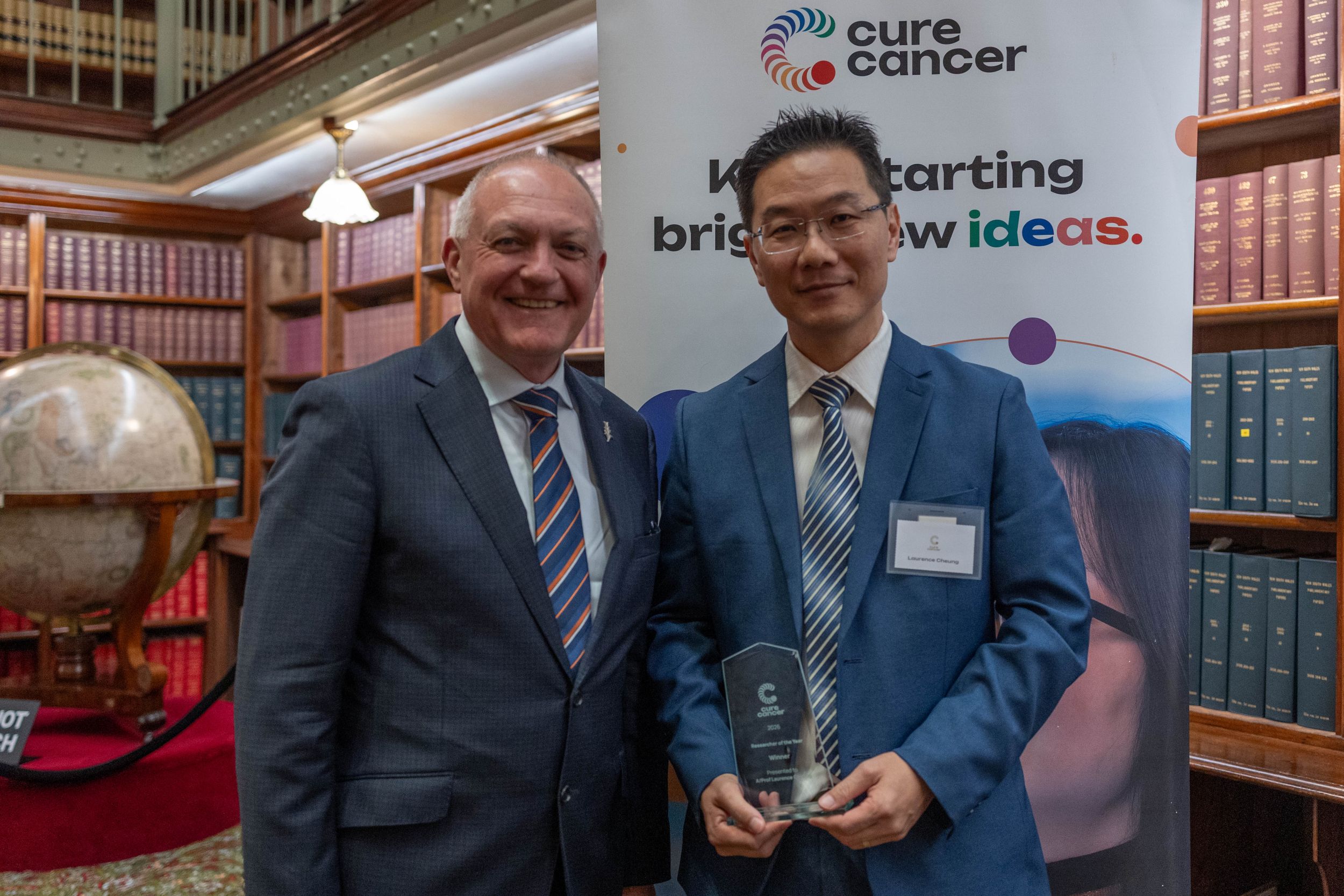
A leading WA cancer researcher has been named the Cure Cancer 2026 Researcher of the Year for his groundbreaking work in paediatric leukaemia.

Eight childhood cancer researchers have been awarded over $2 million in transformative grants from Cancer Council WA to advance their pioneering work in improving cancer treatments and outcomes for patients in Western Australia and around the world.
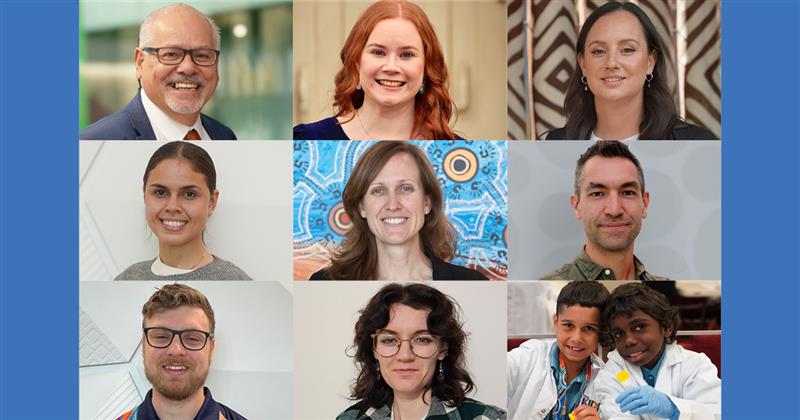
Eight outstanding researchers from The Kids Research Institute Australia and the Institute-led Broome STEM Festival are finalists in the 2025 Premier’s Science Awards.

On Monday 1 September, childhood cancer researcher Jacob Byrne is lacing up his running shoes and taking the first steps of an extraordinary challenge: 30 marathons in 30 days across Perth.