
Search
This project will investigate the effects of the time interval between pregnancies (interpregnancy interval), family size and other sociodemographic factors on child development outcomes at age five.
A student’s learning potential is limited if they do not attend school regularly.
Valerie Verhasselt MD, PhD Head, Immunology and Breastfeeding 0402997617 Valerie.verhasselt@thekids.org.au Head, Immunology and Breastfeeding @
Helen Jenny Leonard Downs MBChB MPH BApplSci (physio) MSc PhD Principal Research Fellow Head, Child Disability +61 419 956 946 08 6319 1763
This work will be undertaken in collaboration with The Kids Research Institute Australia and Australian based research teams to better understand how Penicillin works in Māori and Pacific children/teens who receive monthly BPG injections.
Hannah Tom Moore Snelling OAM BSc (Hons) GradDipClinEpi PhD BMBS DTMH GDipClinEpid PhD FRACP Head, Infectious Diseases Research Head, Infectious
Tobias Strunk MD, PhD, FRACP Head, Neonatal Health tobias.strunk@thekids.org.au Head, Neonatal Health Clinical Professor Tobias Strunk is a
Investigators: Tobi Kollmann Project description Sepsis is a major preventable cause of early life mortality affecting 3 million neonates and 1.2
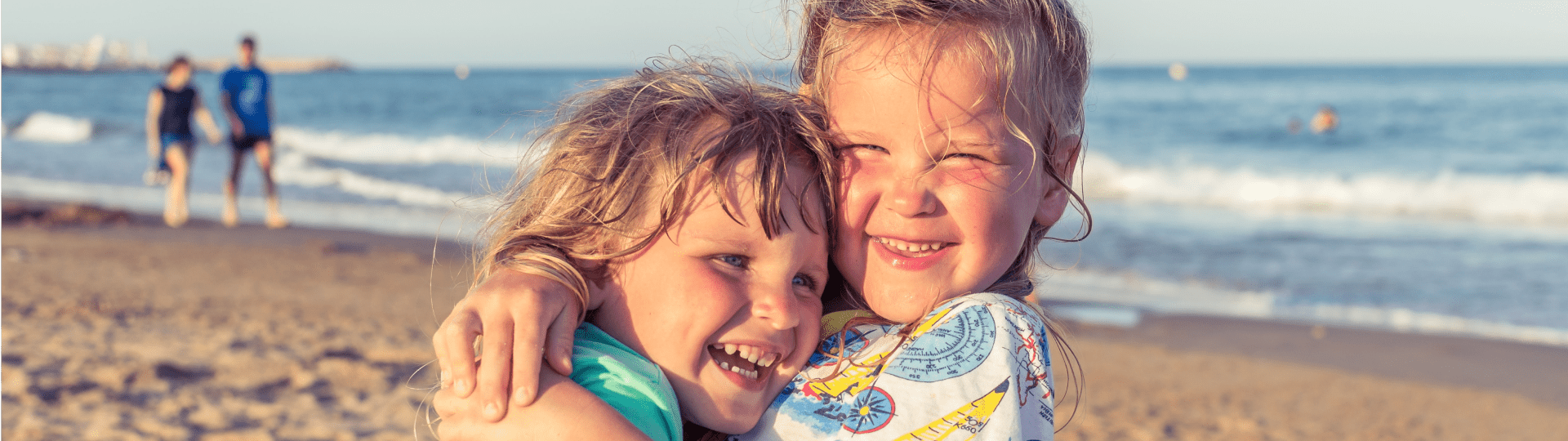
The Sibling Project focuses on children, adolescents and emerging adults who have a sibling with a disability, investigating their mental health, relationships and quality of life.

National Siblings Day is a holiday dedicated to celebrating the bond between siblings. It is a time to recognize the importance of siblings, whether they are brothers, sisters, step-siblings, or even those who feel like family.