
Search
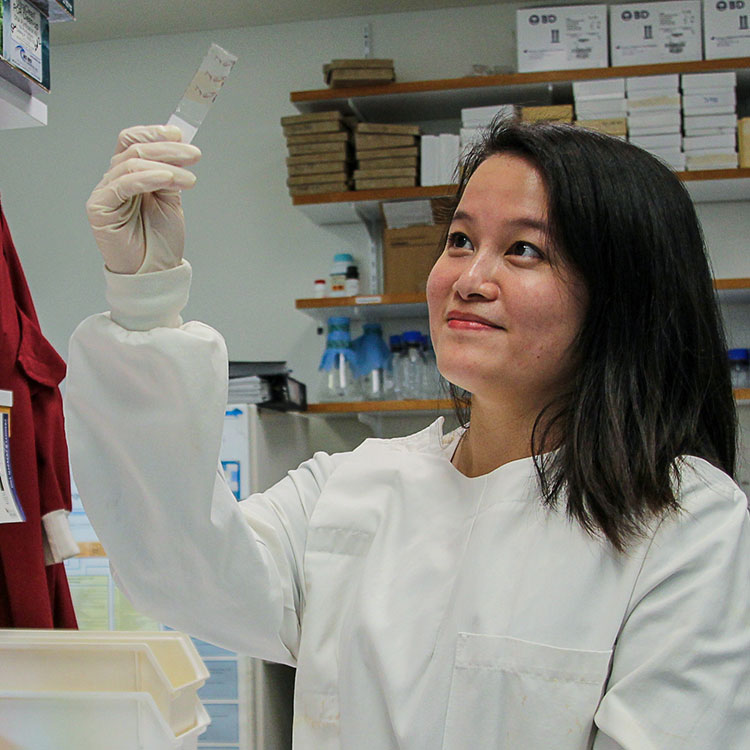
The Kids Research Institute Australia researchers have been awarded five of eight State Government awards designed to help cover the hidden costs of conducting research.
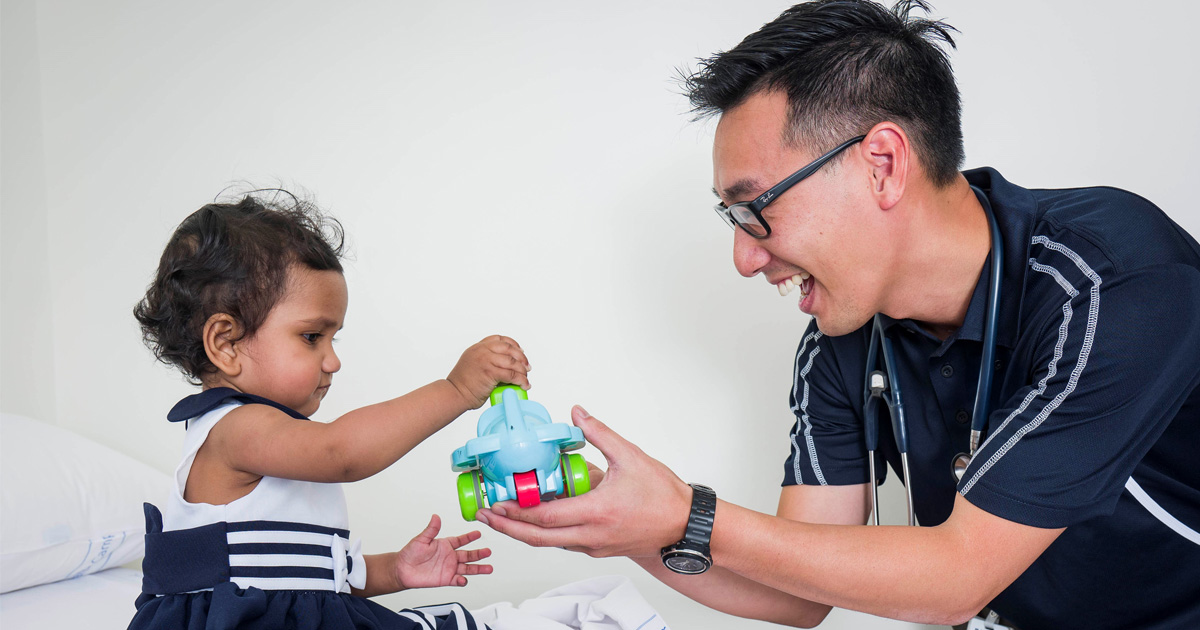
A third of Western Australian one-year-olds and up to two thirds of three-year-olds have low iron, a study by The Kids Research Institute Australia has found.

ORIGINS sub-project, The Flourishing Child, has received a $746,051 grant from the Medical Research Future Fund to develop a Flourishing Assessment and Pathway Tool to address gaps in early intervention for children's mental health.
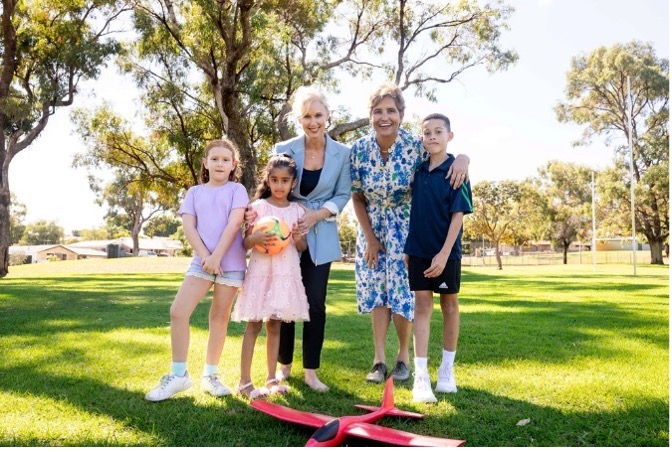
ORIGINS is celebrating a substantial funding increase for its world-class research into child and family health and wellbeing.

Several The Kids Research Institute Australia researchers will share in more than $7.5 million in prestigious Investigator Grants to pursue a range of innovative child health research.

Three outstanding young researchers from The Kids Research Institute Australia have been named Raine Fellows and received valuable Raine Priming Grants to support their child health research.
Streptococcus pneumoniae is a leading cause of pneumonia and meningitis worldwide. Many different serotypes co-circulate endemically in any one location. The extent and mechanisms of spread and vaccine-driven changes in fitness and antimicrobial resistance remain largely unquantified.
To explore data availability, perceived relevance, acceptability and feasibility of implementing 52 draft indicators for adolescent health measurement in different countries globally.
Citation: Keogh SC, Guthold R, Newby H, …….. Azzopardi P, Fagan L, et al. Filling Gaps in Adolescent Health Measurement: Taking Stock of Progress and
Neonatal sepsis is associated with significant mortality and morbidity. Low-middle-income countries are disproportionately affected, but late-onset sepsis still occurs in up to 20% of infants <28 weeks in high-income countries. Understanding site-specific data is vital to guide management.