
Search

When Josh Wulf’s son was diagnosed with Type 1 Diabetes, little did he know that one day he would be helping other T1D families manage the condition.

Diabetes WA is looking for volunteers to take part in the PMH and Diabetes WA Camp for 9 and 10 year olds in Hillarys in September.
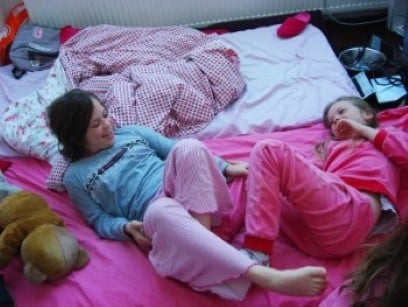
A big part of being a kid is having sleepovers at friend’s places but often children with diabetes miss out.
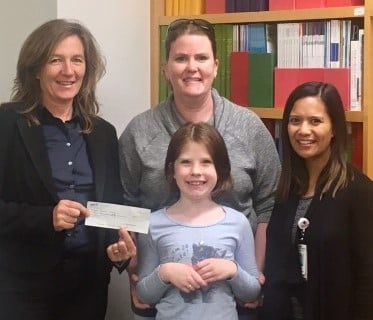
When Meghan Bunter’s daughter was first diagnosed with diabetes, she felt overwhelmed not only with Ella’s diagnosis but also the flood of donation requests.
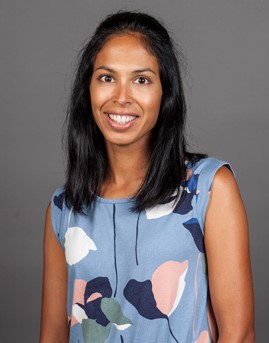
After nearly two-and-a-half years in sunny Perth, Dr Tarini Chetty is headed back home to Scotland. Before she departs our shores.

Researchers are on the hunt for young people with Type 1 Diabetes to participate in a short at-home trial looking at insulin and carbs.
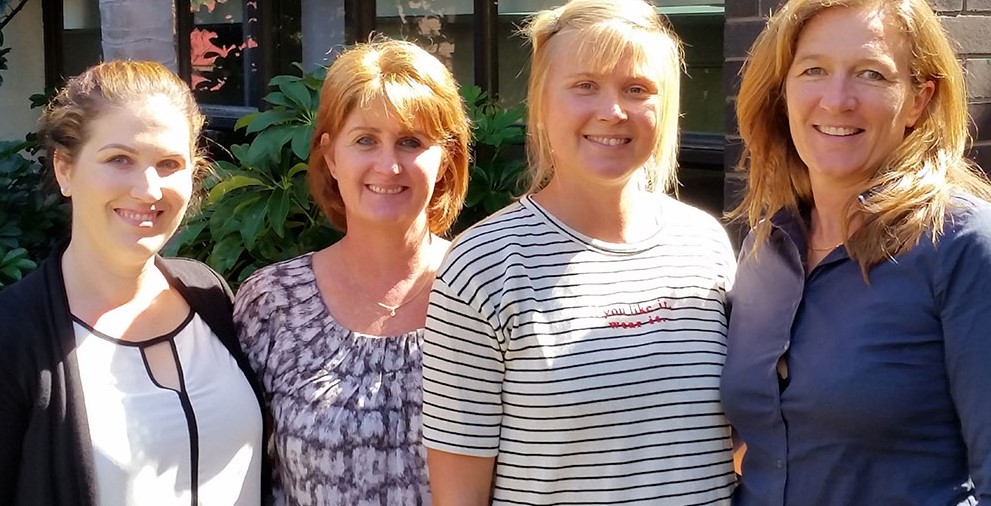
The ENDIA study — Australia’s largest study into the causes of Type 1 Diabetes— reached a significant milestone when it recruited its 700th patient in Perth.
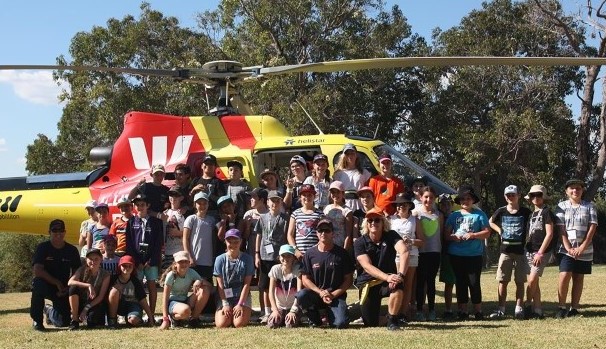
Kids living with Type 1 Diabetes were literally blown away when the Westpac Lifesaver Rescue Helicopter dropped in at the Diabetes WA and PMH kids' camp.
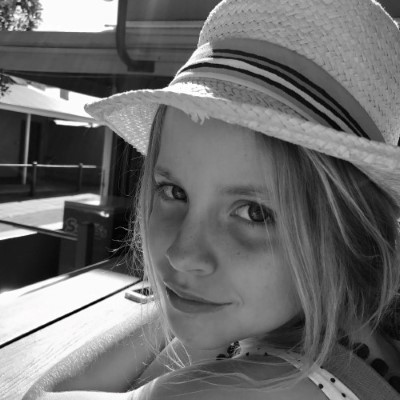
Meet 11-year-old Lucia, who was diagnosed with Type 1 Diabetes when she was 10. Read all about her journey and how she manages her disease in her own words.
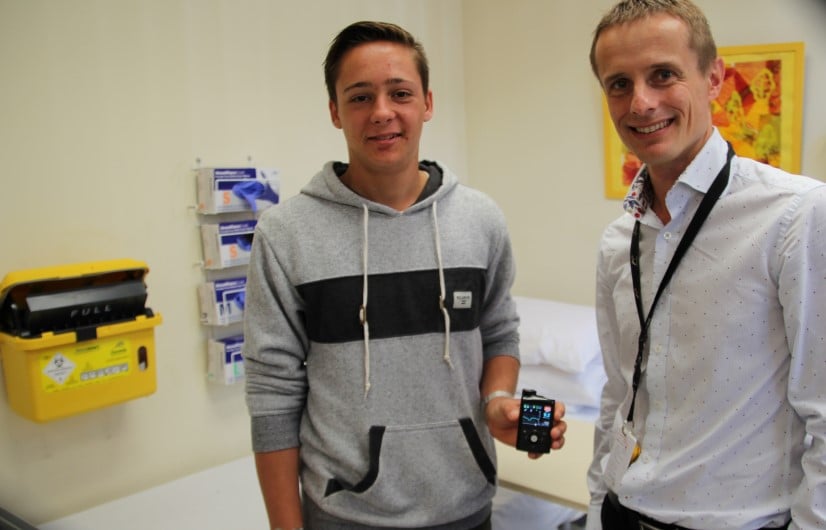
Meet Jake O’Brien, the first patient to take part in the longest and largest at-home trial of a hybrid closed-loop insulin pump.