
Search
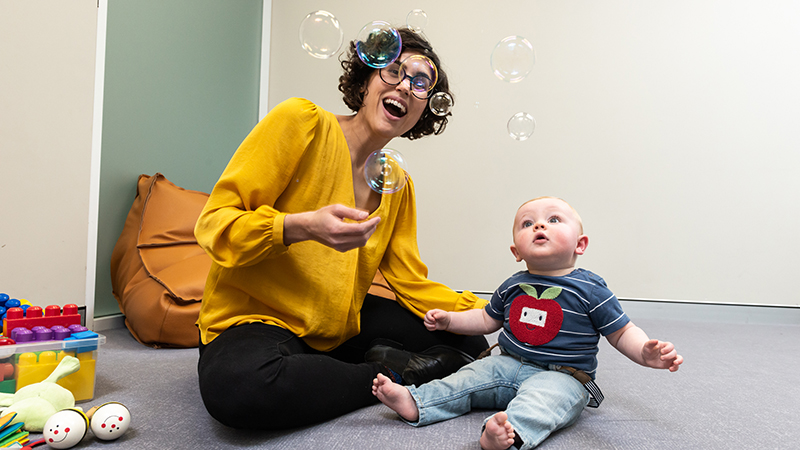
A child-led therapy that supports the social development of babies showing early signs of autism has found a significant reduction in social communication difficulties in babies who received the therapy, according to new research led by CliniKids at The Kids Research Institute Australia.
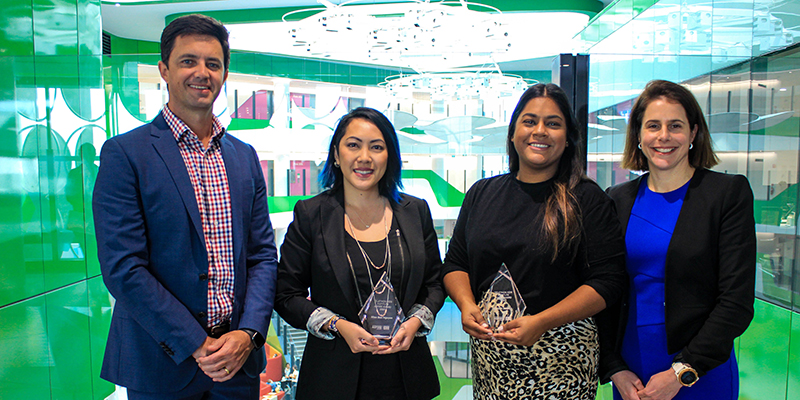
Two of The Kids Research Institute Australia’s best and brightest will share in $10,000 of funding to use for investment in their professional growth through attendance at an international conference, when safe to do so.
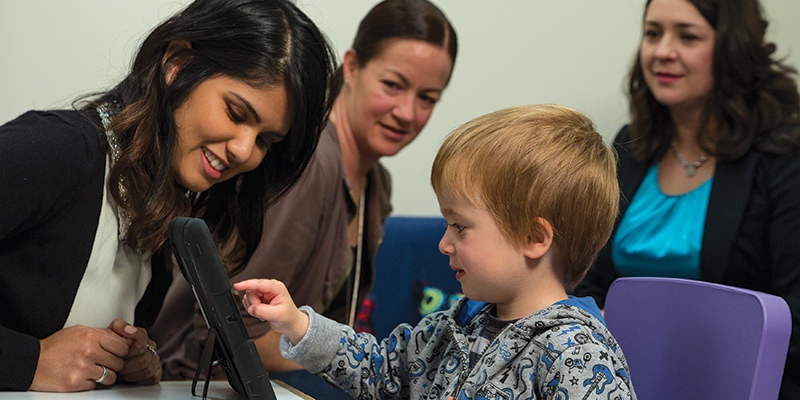
An attention-training game developed by researchers at The Kids Research Institute Australia is helping to improve social skill development in school-aged kids with autism.
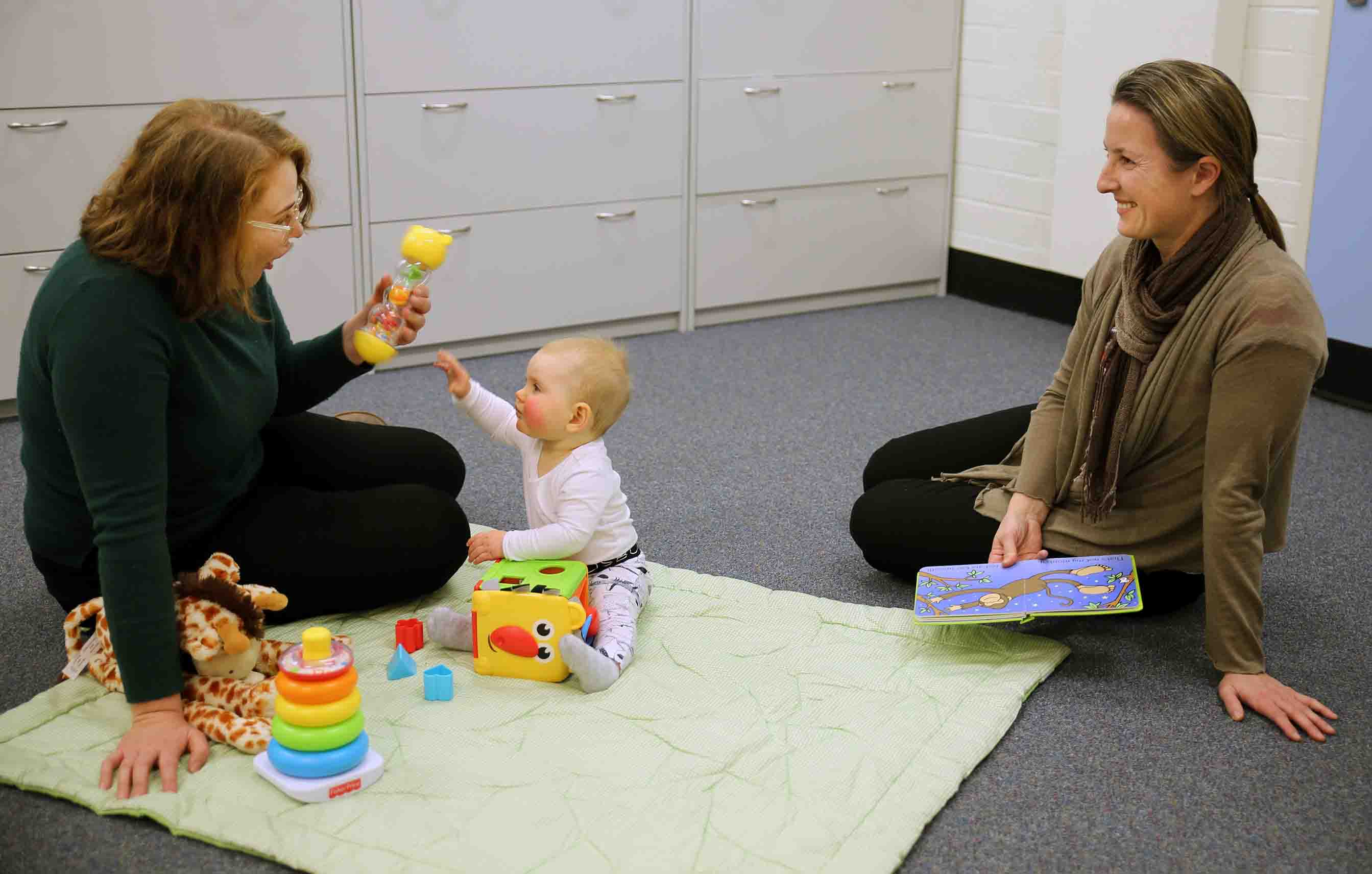
The first rigorous trial of a pre-emptive behavioural intervention for babies showing early signs of autism has found the therapy can improve early language development.
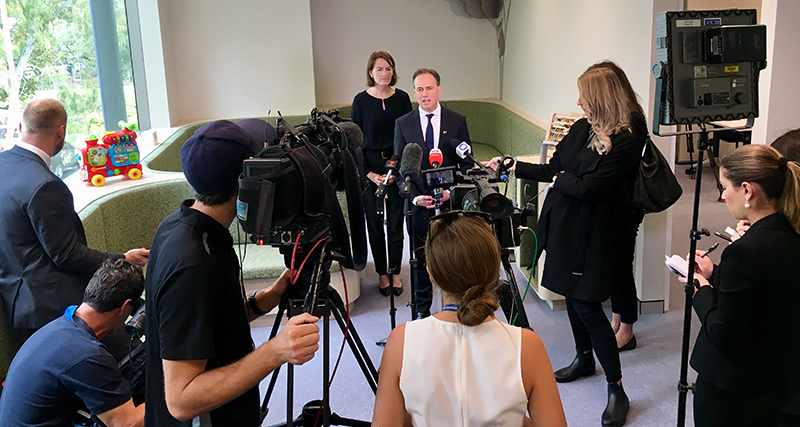
Western Australian babies and children with autism and developmental delay will be able to access world-first therapies and interventions backed by the latest research, thanks a unique clinical service developed by The Kids Research Institute Australia.
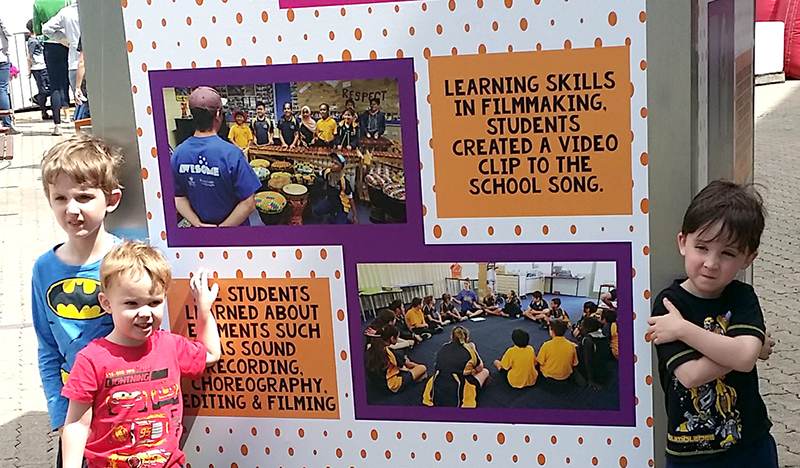
For kids on the autism spectrum, it’s not always easy to enjoy art without becoming overwhelmed, overstimulated or anxious.
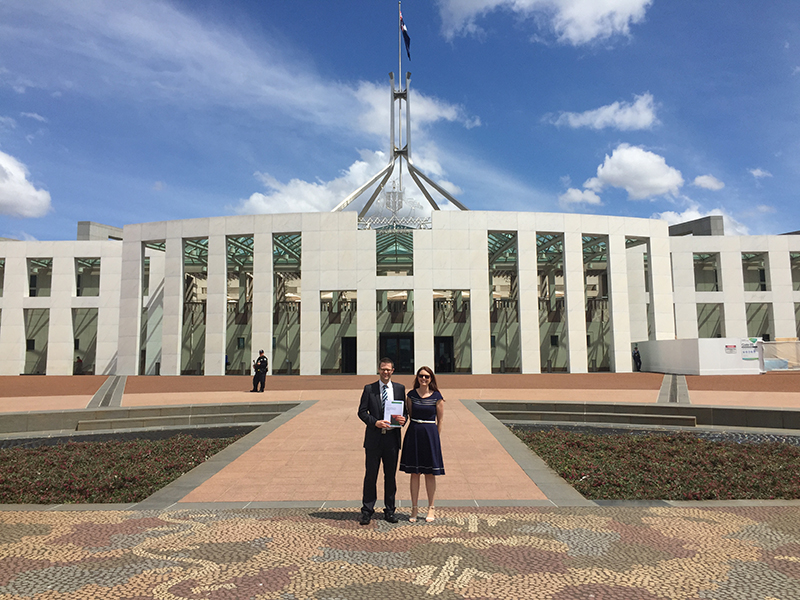
Researchers from The Kids Research Institute Australia, working with the Autism CRC, have led the development of the National Guideline for the Assessment and Diagnosis of Autism Spectrum Disorder in Australia which was launched today.
If there’s one thing modern researchers and health professionals now understand, it’s that for so many diseases and conditions affecting children and adolescents, early intervention is crucial.
Congratulations to Dr Gail Alvares and Dr Rachel Foong, who have been awarded funding from the Raine Medical Research Foundation.
Eight The Kids Research Institute Australia researchers are among those who have received grant funding from the Telethon-Perth Children’s Hospital Research Fund (TPCHRF).