
Search
The aim of the present study was to compare scale and conditional reliability derived from item response theory analyses among the most commonly used, as well as several newly developed, observation, interview, and parent-report autism instruments.

The MINERvA Network will allow more accurate and precise determination of the contributions of familial and environmental factors to the etiology of autism.
Autism spectrum disorder (ASD) has a complex inheritance pattern and is more common in males. Etiologic models suggest that most ASD risk is transmitted through common and rare de novo genetic variation. It has been hypothesized that rare variation could be inherited and therefore contribute to the overall risk burden in subsequent generations, especially through female lineage in disorders with male-skewed sex ratios.
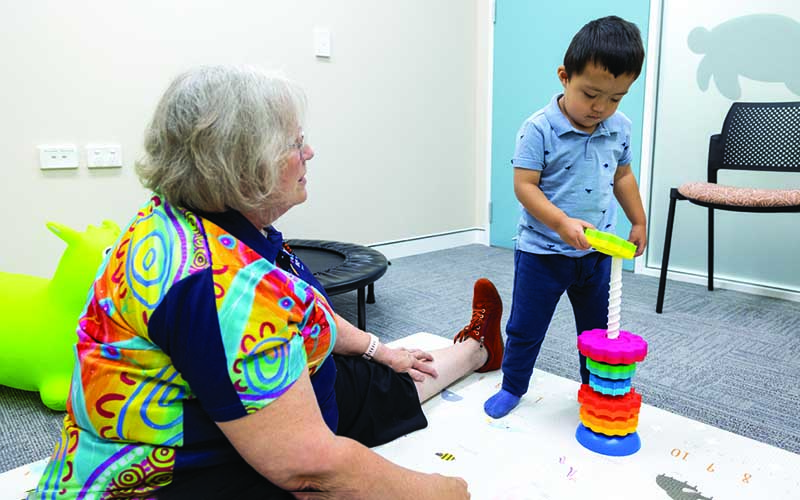
Discover how this family is benefitting from CliniKids' evidence-based therapies.
This study aimed to identify guiding principles to underpin assessment and diagnosis of autism to improve the quality, consistency and accuracy of services provided to individuals and their families. An online survey and focus groups were used to capture community perspectives of members of the Australian autistic and autism communities.
Social motivation is posited as a key factor in the expression of the autism phenotype. However, lack of precision in both conceptualization and measurement has impeded a thorough understanding of its diverse presentation and associated outcomes. This study addresses this gap by identifying subgroups of autism characterized by deficits in distinct facets of social motivation, relative to normative benchmarks.
Preterm birth is associated with a 3.3-fold increased likelihood of autism diagnosis, with lower gestational age conferring higher likelihood. In Australia, autism is typically diagnosed at around age four, potentially missing the optimal neuroplasticity window before age two. The Social Attention and Communication Surveillance-Revised (SACS-R) tool identifies early autism signs in children aged 11-30 months, enabling pre-emptive intervention.
Given the significance of gut microbiota in autism spectrum disorder (ASD), we aimed to assess the quality of systematic reviews (SRs) of studies assessing gut microbiota and effects of probiotic supplementation in children with ASD. PubMed, EMBASE, PsycINFO, Medline, and Cochrane databases were searched from inception to November 2024.
An estimated 3.5%-5.9% of the global population live with rare diseases, and approximately 80% of these diseases have a genetic cause. Rare genetic diseases are difficult to diagnose, with some affected individuals experiencing diagnostic delays of 5-30 years. Next-generation sequencing has improved clinical diagnostic rates to 33%-48%. In a majority of cases, novel variants potentially causing the disease are discovered.
The aim of this study was to investigate the influence of children's autism characteristics, sensory profiles and feeding difficulties on caregiver-reported impact at mealtimes.