
Search
Showing results for "A"
Indigenous peoples globally have incurred significant harm resulting from colonisation and the forced removal of children from their families, culture, communities and Country. Over the last two decades in Australia, there have been calls for significant reform and there has been a raft of policy changes in child protection services. However the problems are intractable, and the numbers of Indigenous children being removed from their families continues to rise.
Pneumococcal surface protein A is immunogenic and natural anti-PspA immune responses are acquired through exposure and develop with age
Early excision of the wound, during the phase of immune down-regulation initiated by the burn, maintains an innate and adaptive immune cell response
Implementation of molecular testing could improve antibiotic use in this high-burden setting
Antibiotic consumption can lead to antimicrobial resistance and microbiome imbalance. We sought to estimate global antibiotic consumption for sore throat, and the potential reduction in consumption due to effective vaccination against group A Streptococcus.
The rapid diagnosis of influenza is critical in optimizing clinical management. Rapid antigen tests have decreased sensitivity in detecting pandemic influenza.
Recent studies have reported that strengths-based programs, leveraging autistic adolescents' abilities and interests, could improve their skills and facilitate social engagement. However, little is known about the long-term impact of strengths-based approaches. This study aimed to explore the long-term outcomes of community strengths-based programs designed to support autistic adolescents in developing interests and skills in Science, Technology, Engineering, Arts, and Mathematics (STEAM) and the factors influencing their participation in these programs.
This study describes a method that was used to develop a simple index for ranking individuals according to their diet quality in a longitudinal study
Immune responses after the initial vaccination persisted for the 12 months studied, with little additional response after the booster dose at 6 months
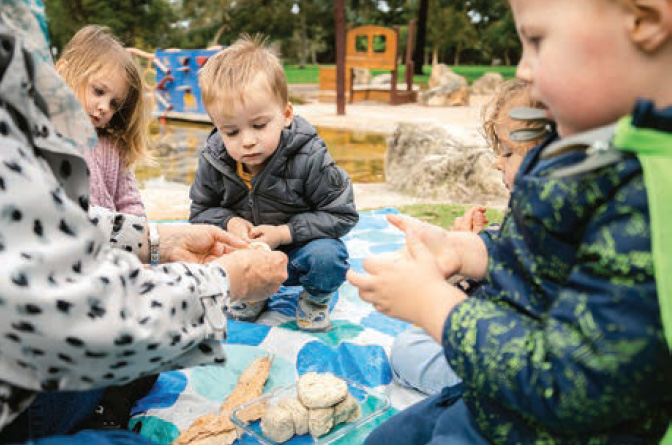
The ORIGINS Project is a decade-long longitudinal study of more than 18,000 individuals including mothers, partners and children, as part of a collaboration between The Kids Research Institute Australia and Joondalup Health Campus.