
Search
Type 1 interferons (T1IFNs) are typically expressed in low concentrations under homeostatic conditions, but upon pathogenic insult or perturbation of the pathway, these critical immune signaling molecules can become either protectors from or drivers of pathology. While essential for initiating antiviral defense and modulating inflammation, dysregulation of T1IFN signaling can contribute to immunopathology, making it and its associated pathways prime targets for immune evasion and disruption by pathogens.
Food allergy affects families' quality of life, can be lifelong and life-threatening, urging the identification of early modifiable risk factors. Formula feeding in the first days of life may increase the risk of cow's milk allergy, a risk often attributed to cow's milk allergens exposure. Early formula feeding also reduces the colostrum intake, the first 3 days' milk, which is rich in bioactive compounds critical for immune and gut health. This study investigates whether partial colostrum feeding increases the risk of food allergy beyond cow's milk.
Previous reports suggested that food proteins present in human milk (HM) may trigger symptoms in allergic children during breastfeeding, but existing evidence has never been reviewed systematically.

Maheshwar Bhasin, PhD Student, Centre for Immunology and breastfeeding
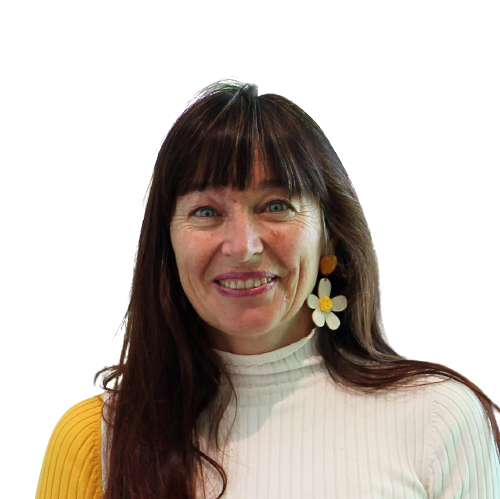
Head, Immunology and Breastfeeding
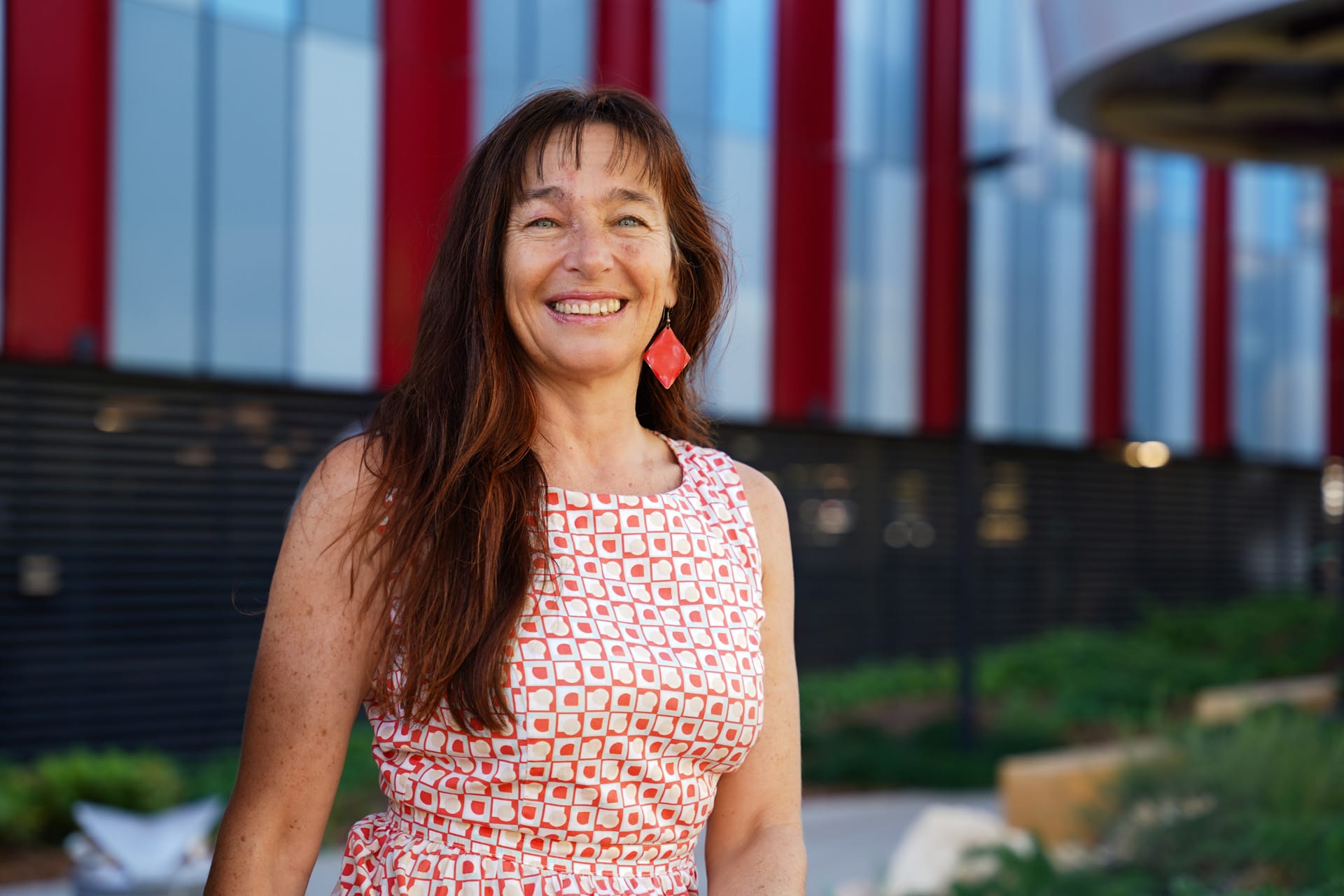
First-of-its-kind findings show that newborns exclusively fed colostrum in their first 72 hours of life were five times less likely to develop a peanut allergy by 12-18 months, and 11 times less likely to develop multiple food allergies (such as egg or cow’s milk) compared with infants who also received formula
Valerie Verhasselt MD, PhD Head, Immunology and Breastfeeding 0402997617 Valerie.verhasselt@thekids.org.au Head, Immunology and Breastfeeding @
Valerie Verhasselt MD, PhD Head, Immunology and Breastfeeding 0402997617 Valerie.verhasselt@thekids.org.au Head, Immunology and Breastfeeding @
The bacille Calmette-Guérin (BCG) vaccine has immunomodulatory "off-target" effects that have been hypothesized to protect against coronavirus disease 2019.
Valerie Verhasselt MD, PhD Head, Immunology and Breastfeeding 0402997617 Valerie.verhasselt@thekids.org.au Head, Immunology and Breastfeeding @