
Search
Sepsis is one of the leading causes of neonatal mortality. There is heterogeneity in the outcomes measured and reported in studies of neonatal sepsis. To address this challenge, a core outcome set (COS) for research on neonatal sepsis was needed.
Neonatal sepsis-induced cardiovascular dysfunction includes impaired myocardial function (which may be systolic and/or diastolic) and vasoregulatory failure (which may lead to vasodilation or vasoconstriction). The haemodynamic response in neonatal sepsis may therefore be hyperdynamic or hypodynamic, and the underlying pathophysiological mechanisms are heterogenous.
Skin care for very and extremely preterm infant is an important and previously underappreciated topic. Coconut oil skin care for preterm infants is a promising option, but several important questions remain including the theoretical potential for allergic sensitization.
Sildenafil is used to treat pulmonary hypertension in neonatal intensive care unit (NICU) settings. As multiple intravenous (IV) medications are co-administered in NICU settings, we sought to investigate the physicochemical compatibility of sildenafil with a range of IV drugs.
Neonatal sepsis is a major cause of childhood mortality. Limited diagnostic tools and mechanistic insights have hampered our abilities to develop prophylactic or therapeutic interventions. Biomarkers in human neonatal sepsis have been repeatedly identified as associated with dysregulation of angiopoietin signaling and altered arachidonic acid metabolism.
Tobias Strunk MD, PhD, FRACP Head, Neonatal Health tobias.strunk@thekids.org.au Head, Neonatal Health Clinical Professor Tobias Strunk is a
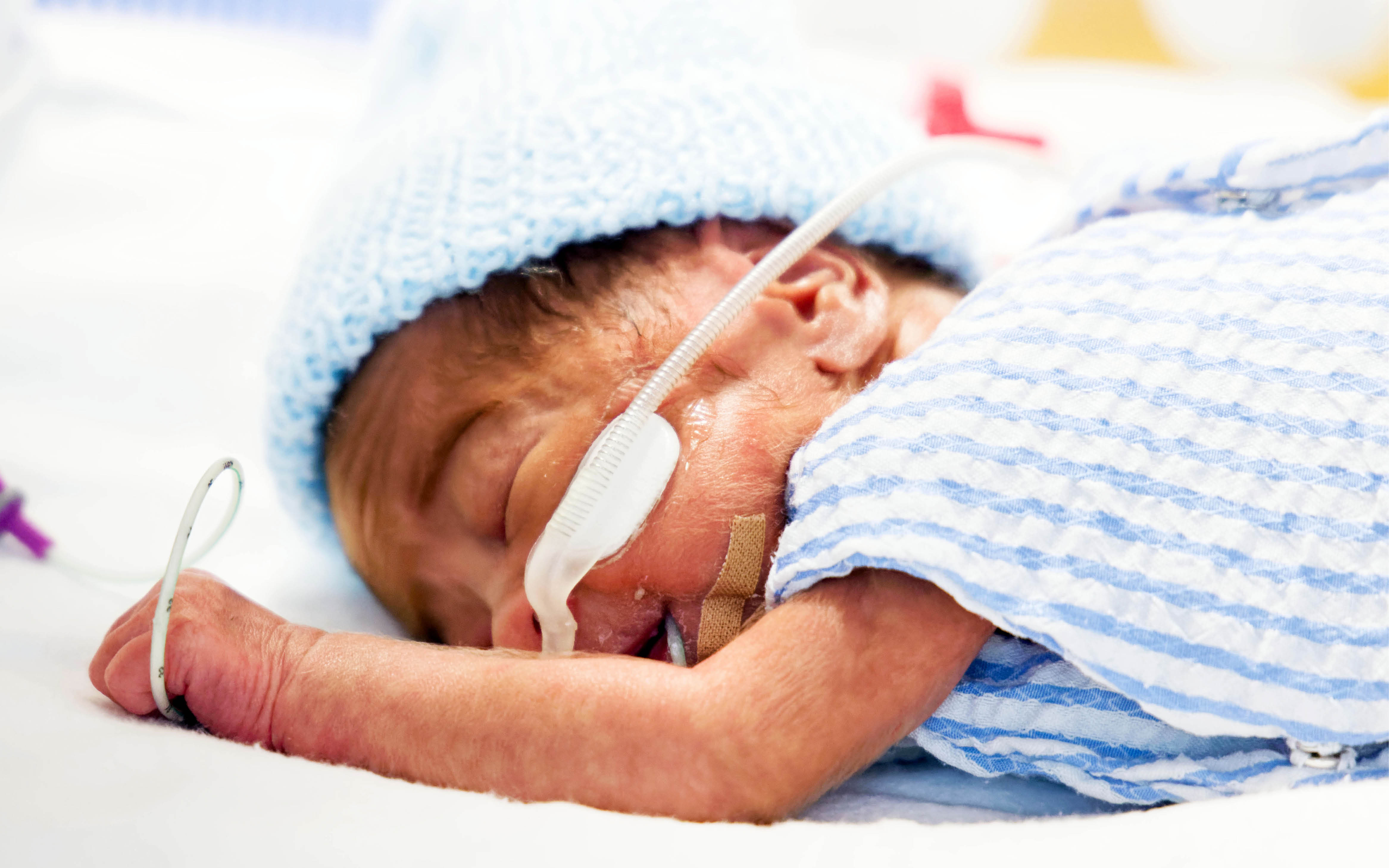
Preterm babies have a heightened risk of infection as their immune system is not mature. The Neonatal Health Team is exploring new ways to diagnose, prevent and treat infections in WA's smallest patients .
The physicochemical compatibility of alprostadil injection with secondary intravenous (IV) drugs and 2-in-1 parenteral nutrition (PN) solutions used in Neonatal Intensive Care Unit settings was investigated.
The abundant skin commensal, Staphylococcus epidermidis, is the leading cause of late-onset sepsis (LOS) in preterm infants but rarely causes infections in term infants and adults. Staphylococcal virulence mechanisms and the role of the preterm immune responses in driving these life-threatening infections remain poorly understood.
The neonatal skin is central to early survival and immune development. Far from being a passive mechanical barrier, it integrates physical, chemical, and microbial defences that together protect the infant in the immediate postnatal period. In preterm infants, structural immaturity, reduced antimicrobial capacity, and altered microbial colonisation confer heightened vulnerability to infection and inflammation.