
Search

Congratulations to three outstanding The Kids Research Institute Australia researchers who have received second chance WA health funding designed to support researchers who have narrowly missed out on highly competitive national funding.

It was during a time of grief that John Mearns was inspired to make a difference.

Eight The Kids Research Institute Australia-led projects will benefit from the latest round of WA Child Research Fund (WACRF) grants, announced this week by Medical Research Minister Stephen Dawson.
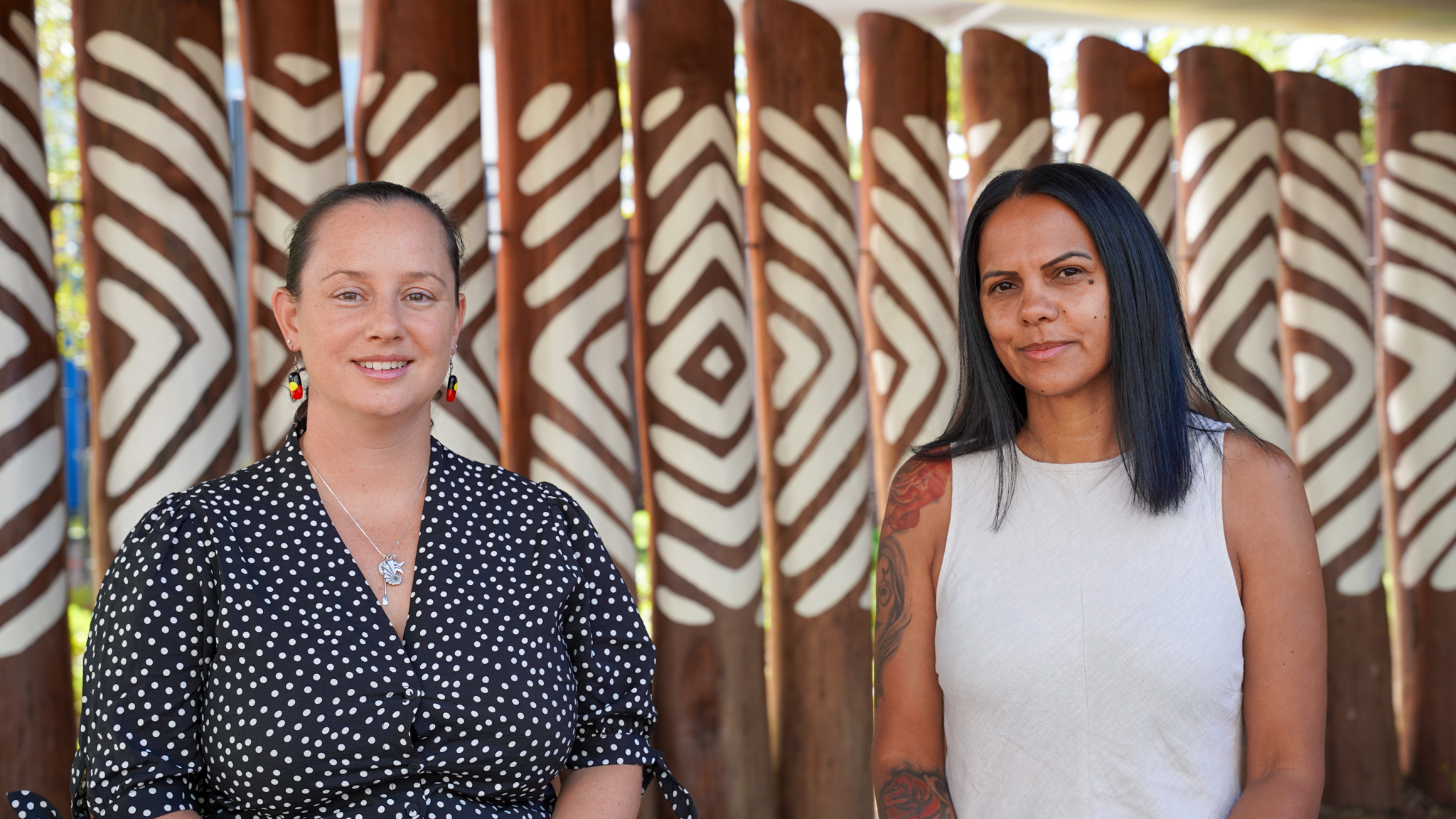
A first of its kind research program at The Kids Research Institute Australia aims to develop new strategies to better treat Aboriginal and Torres Strait Islander children with cancer.
The investigation of ovarian development, dysfunction, and aging is essential for female reproductive health. Despite extensive research on the cellular functions of Brefeldin A (BFA) as an intracellular transport inhibitor, its specific effects and mechanisms on ovarian development/aging remain inadequately understood.
Aboriginal and Torres Strait Islander (hereafter respectfully named Indigenous) Australians are diagnosed with some cancers substantially more frequently than non-Indigenous Australians implying a different risk factor landscape. Additionally, poorer outcomes for certain cancers are exacerbated by lower cancer screening rates and later diagnoses compared to non-Indigenous Australians.
Risk factors for non-communicable diseases (NCDs, cardiovascular diseases, cancers, chronic respiratory diseases, diabetes, and mental disorders) arise in adolescence but are mostly framed as relevant to health in adulthood; little is known about the relationship between co-occurring NCD risks and mental wellbeing in young people.
Whereas CD4+ T cells conventionally mediate antitumor immunity by providing help to CD8+ T cells, recent clinical studies have implied an important role for cytotoxic CD4+ T cells in cancer immunity. Using an orthotopic melanoma model, we provide a detailed account of antitumoral CD4+ T cell responses and their regulation by major histocompatibility complex class II (MHC II) in the skin.
Cereal-derived polyphenols have demonstrated protective mechanisms in colorectal cancer (CRC) models; however, confirmation in human studies is lacking. Therefore, this study examined the association between cereal polyphenol intakes and CRC risk in the Melbourne Collaborative Cohort Study (MCCS), a prospective cohort study in Melbourne, Australia that recruited participants between 1990 and 1994 to investigate diet-disease relationships.
Evidence suggests the involvement of the microbiota, including oral, intra-tumoral and gut, in pancreatic cancer progression and response to therapy. The gut microbiota modulates the bile acid pool and is associated with maintaining host physiology. Studies have shown that the bile acid/gut microbiota axis is dysregulated in pancreatic cancer.