
Search

Six researchers from The Kids Research Institute Australia have been awarded $8.9 million in prestigious Investigator Grants from the National Health and Medical Research Council.
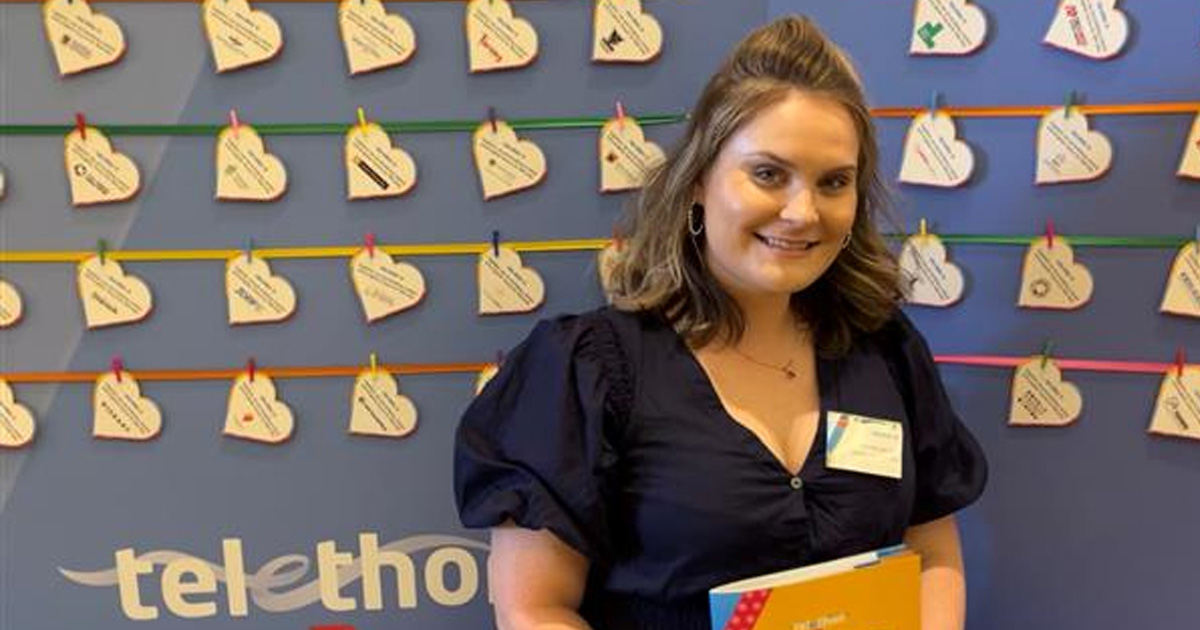
The generous support of West Australians through Channel 7’s Telethon Trust will help support vital child health research at The Kids Research Institute Australia in 2023.

A project, lead by Aboriginal and Aboriginal LGBTQA+ researchers examining the mental health of young Aboriginal and Torres Strait Islander LGBTQA+ people, is launching a nation-wide survey, to help drive meaningful change for the community.
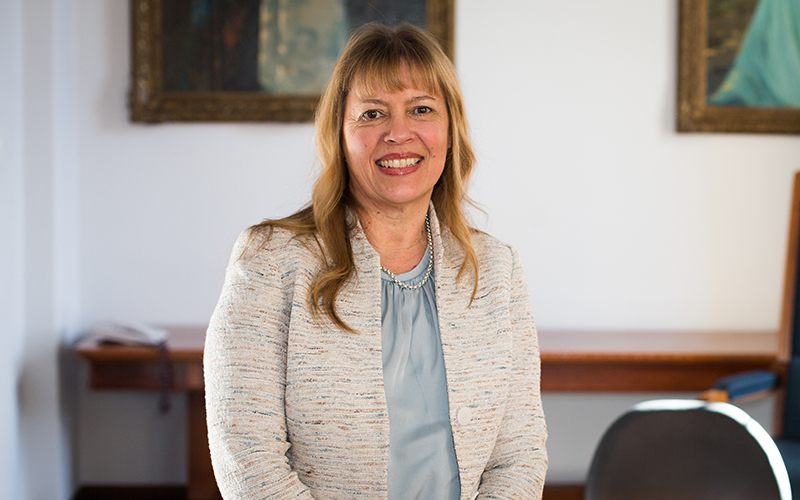
Congratulations to trailblazing mental health researcher Professor Helen Milroy, who has been announced as a finalist for the 2021 Human Rights Medal.

Two The Kids Research Institute Australia researchers have been named as finalists in the 2020 Western Australian Premier’s Science Awards.
Siblings of individuals with neurodevelopmental conditions (NDCs) are exposed to unique family environments and experience a range of psychosocial risk and resilience factors.
Postvention is a core component of suicide prevention strategies, internationally. However, the types of supports provided to people impacted by suicide vary widely. This study examines the perceived effectiveness of the Primary Care Navigator (PCN) model for people bereaved by suicide. The PCN model was implemented in response to a suicide cluster.
This pre-registered systematic review synthesised and evaluated the existing literature on self-reported mental health and wellbeing of siblings of individuals with neurodevelopmental conditions.
The current study sought to explore holistic factors perceived to be key in managing emotional labour effectively in psychologists providing psychotherapy. Identifying applicable factors in this occupational group is vital to understand how psychologists manage emotional labour and related constructs.
The level of mental health literacy (MHL) in adults who work with or care for children is likely to influence the timeliness and adequacy of support that children receive for mental health problems.