
Search

Parental factors influencing child digital technology use in the early years.

In partnership with Playgroup WA, this sub-project is investigating the impact of playgroups on mental health and socio-emotional outcomes in parents and children within ORIGINS.

This study explores the role of infant sleep in early childhood development.

Enhancing psychological wellbeing in families from pregnancy to infancy
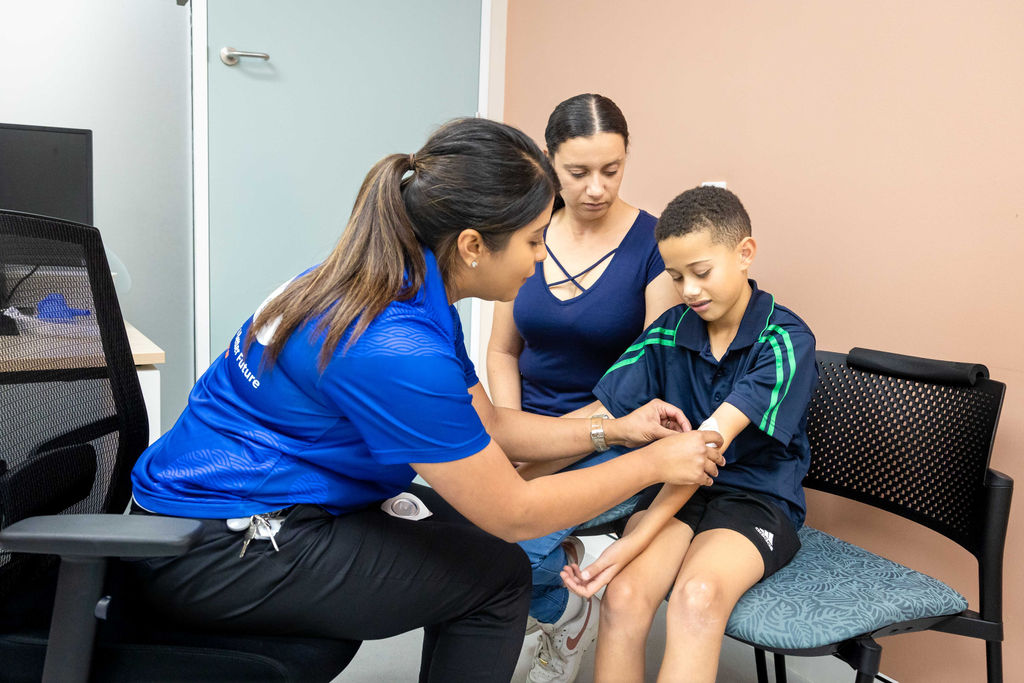
Exploring opportunities for early diagnosis and intervention and the impact this has on improving family healthcare.
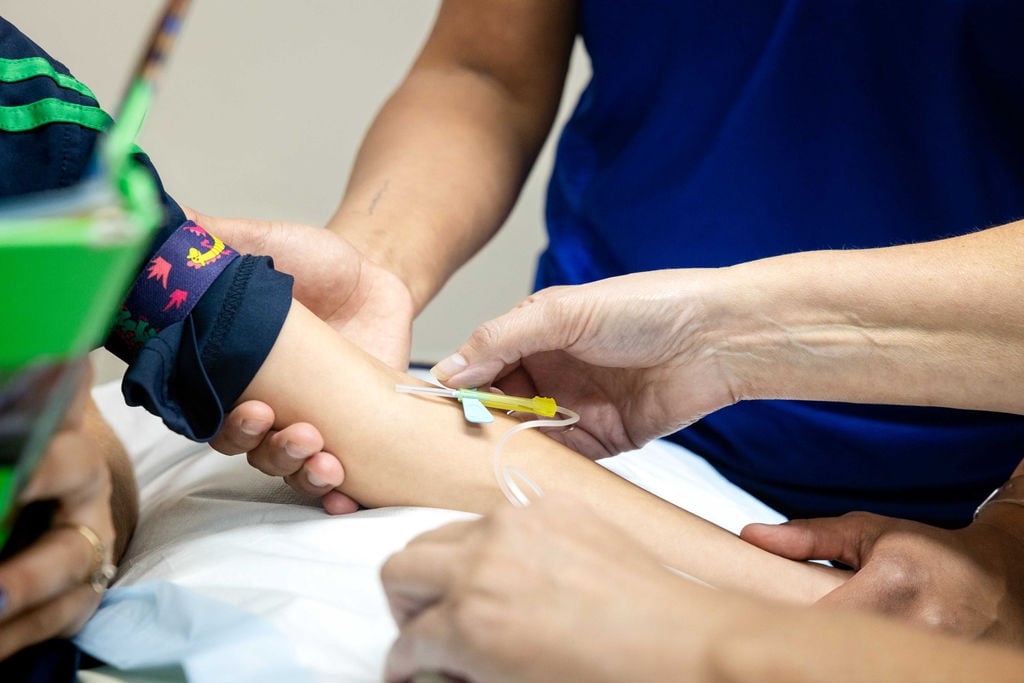
This sub-project hopes to determine the effectiveness of blood polyamine levels as a marker for both diagnosis and prognosis of neuroblastoma patients.
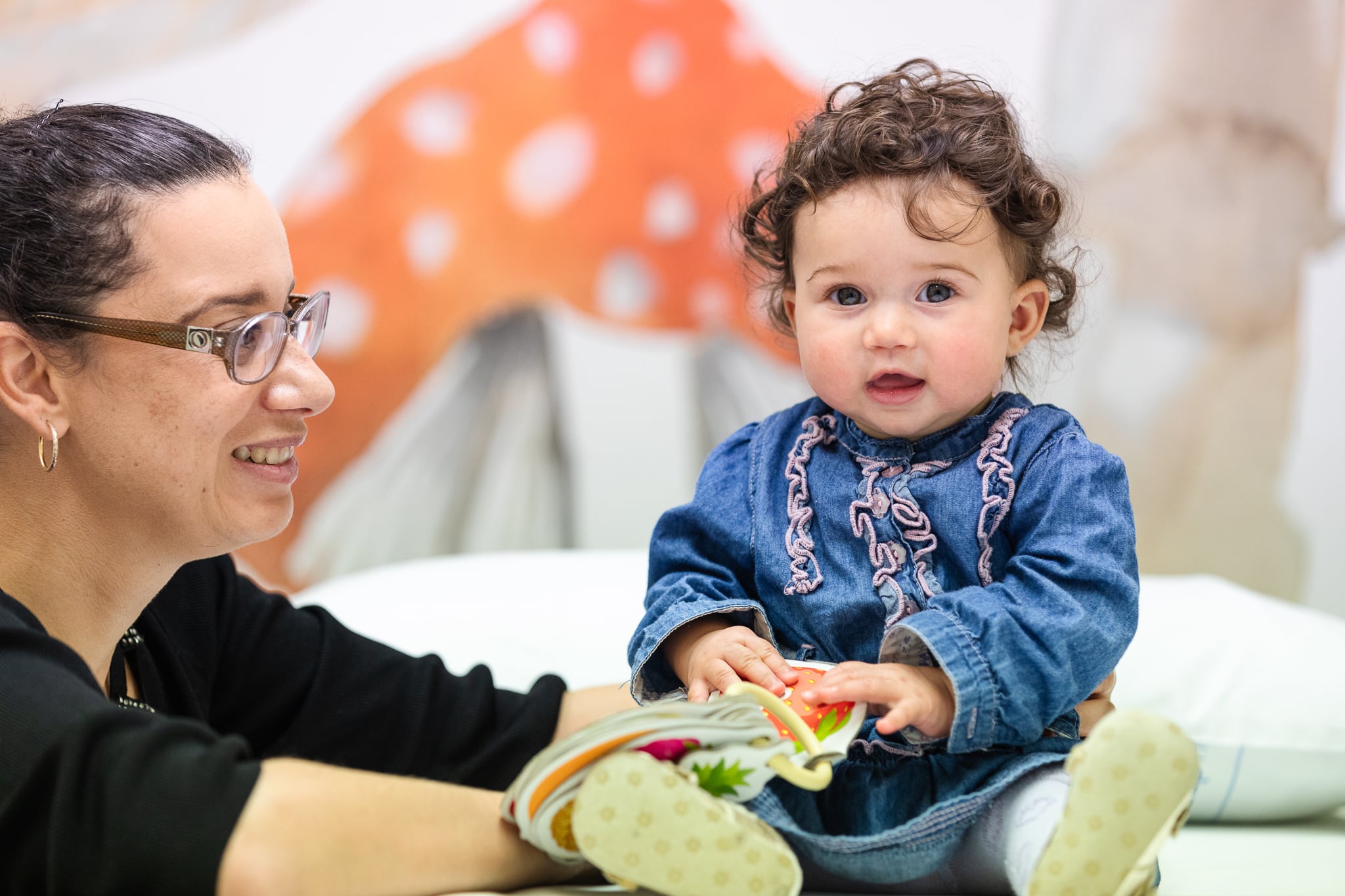
The Global Consortium of Oral Health Birth Cohort Studies (GLOBICS) is an international research network dedicated to advancing knowledge from Oral Health Birth Cohort Studies (OHBCS).

Identifying at risk hearts: examining cardiovascular risk factors in the ORIGINS cohort

Strengths-based, tiered, accessible, resources and supports (STARS) for Kids for parent, carers and their children.
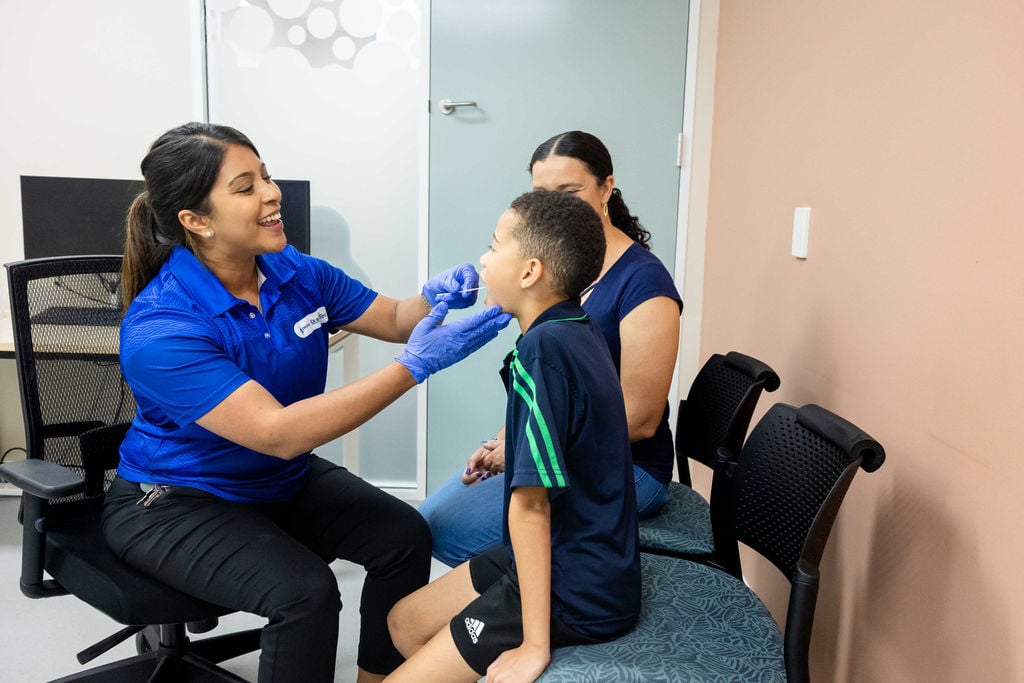
This sub-project aims to understand why some people develop long-term health problems after COVID-19 and to identify biological markers that can help doctors predict who is most at risk and how to treat them.