
Search
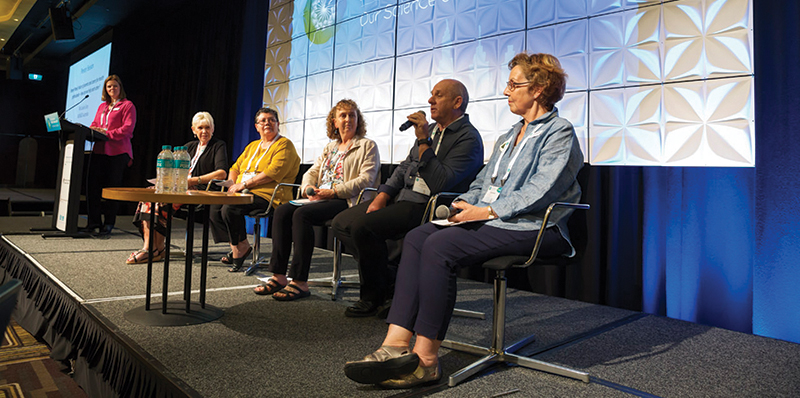
Held every two years, the Australasian FASD Conference is a significant and unifying event for those in the Fetal Alcohol Spectrum Disorder sector.
The two-year study, which was the first in Australia to assess and diagnose young people in a youth custodial setting for Fetal Alcohol Spectrum Disorder.
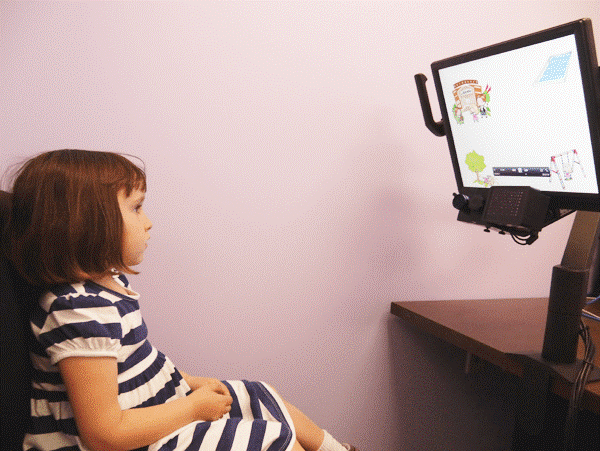
The Kids is trialling a new tool for earlier and easier screening of FASD and ADHD in children, using cutting-edge eye-tracking technology developed by the Kids Brain Health Network in Canada.
If there’s one thing modern researchers and health professionals now understand, it’s that for so many diseases and conditions affecting children and adolescents, early intervention is crucial.
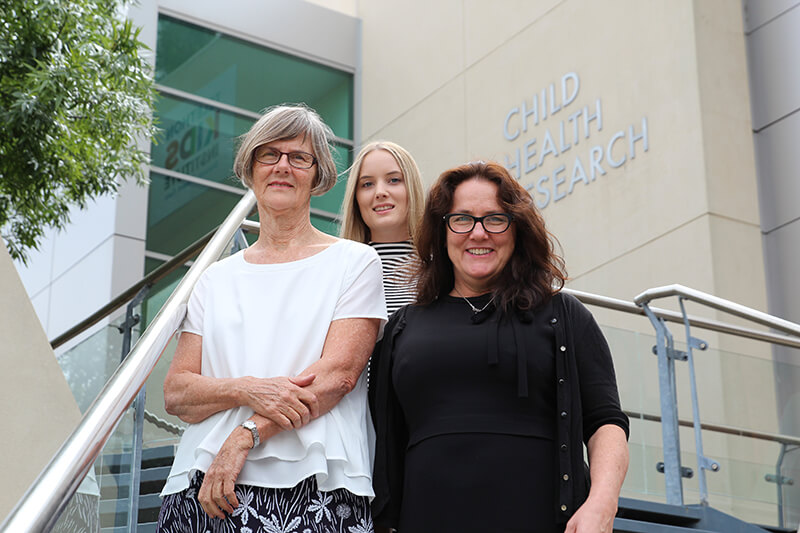
Nine out of ten incarcerated youth examined by The Kids researchers as part of a ground-breaking study had some form of neuro-disability.
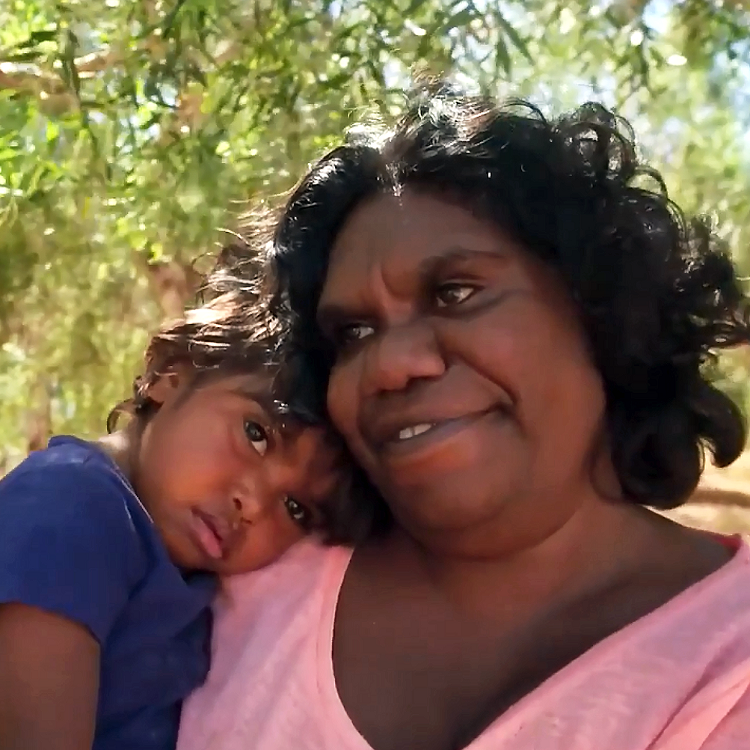
To mark International FASD Awareness Day, The Kids will launch a series of health promotion videos that feature local Aboriginal community members.
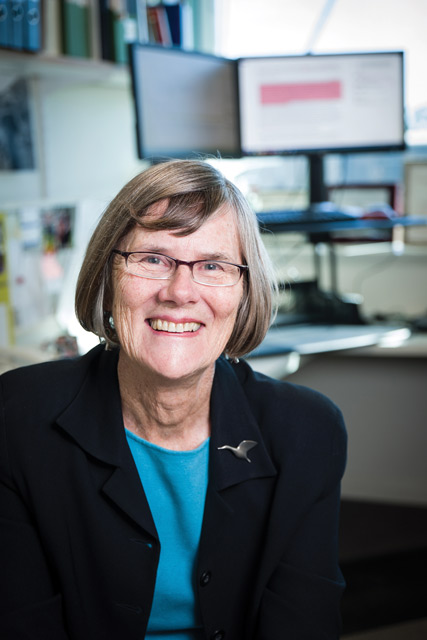
Expected to shine a light on hidden harm from alcohol use during pregnancy, Australia’s first national FASD diagnostic tool has been developed by the Institute.

About a third of young people in youth detention in Western Australia have Fetal Alcohol Spectrum Disorder (FASD), data has found.
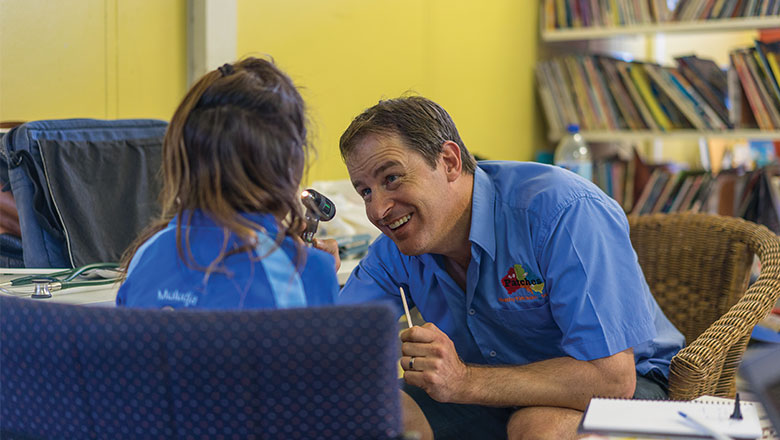
The Make FASD History campaign, led by community researchers and The Kids Research Institute Australia, has made huge inroads into prevention, diagnosis and therapy.
A The Kids Research Institute Australia researcher has been awarded $10,000 in State Government research support funding.