
Search
This study calls for the early identification of children who are vulnerable to maltreatment, the better identification of the duration and severity of maltreatment experiences, and the provision of continued care and support, to reduce the child's deliberate self harm risk in adolescence.
The aim was to assess the feasibility of assessing diet with an image-based mobile food record application in 51 adolescents and young adults with Down syndrome.
With not much to do in their neighborhood, youth may spend more time in the home engaged in screen-based activities
Explores the effects of parental work schedules on the mental and physical health of adolescents aged 15-20 in sole-parent families
A study by The Kids has found children with a parent who has gone to prison are significantly more likely to have poor development outcomes.
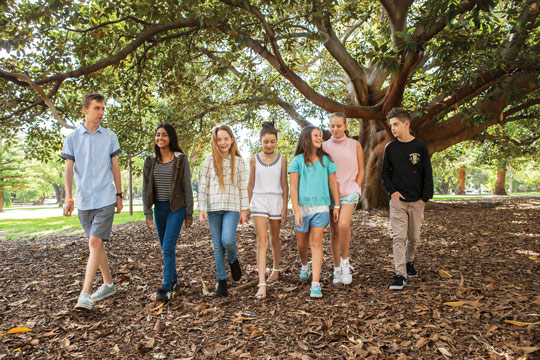
The need for a WA Youth Health Policy has been evident for years. Now, with The Kids Research Institute Australia helping to drive the project, it is coming to fruition.

All parents want their children to be happy. But in our rapidly changing modern world what does that actually mean? Prof. Stephen Zubrick provides his top tips.

Research Fellow in Youth Suicide Prevention
Health-oriented marketing claims commonly and increasingly feature on alcohol products and target younger consumers. This study aimed to test effects of such claims on young adults' alcohol product perceptions and intended consumption.
Suicide was the leading cause of death among young Australians aged 15-24 years old in 2023, with 392 lives lost. The continued high numbers of youth suicide demand urgent exploration of alternative approaches to suicide intervention in this population. The United Kingdom-based suicide service Maytree offers an innovative short-term stay for people experiencing suicidal thoughts. Grounded by the Maytree model-of-care, the aim of the current study was to co-design a short-stay service responsive to the specific needs of suicidal young people.