
Search
Showing results for "A"
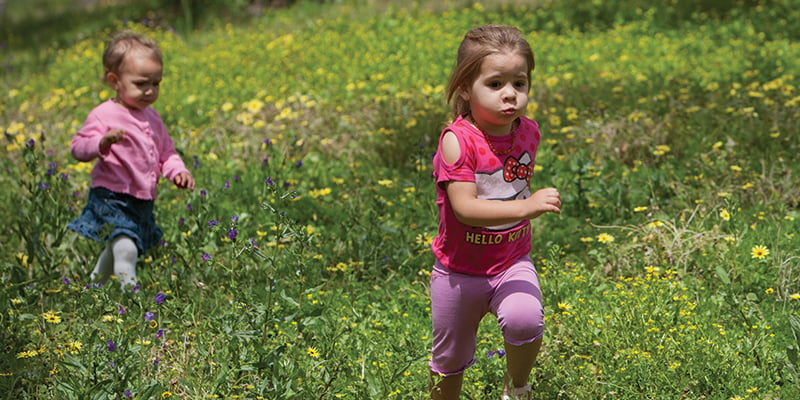
A child can’t thrive if they don’t have a roof over their head.
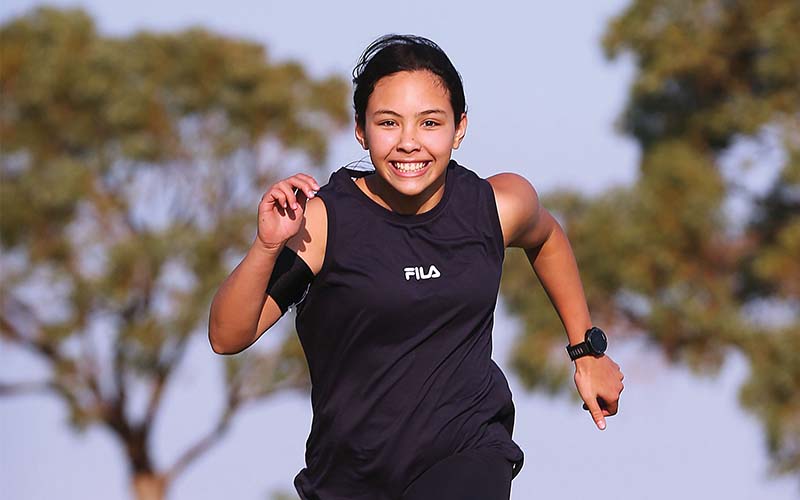
Despite the risk of having a hypo (low blood glucose levels), Gina said she refused to let T1D stop her from exercising.
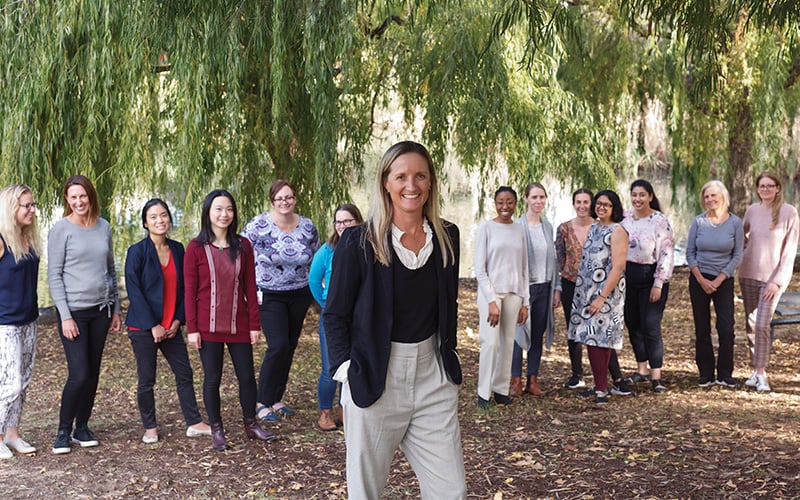
The Kids Research Institute Australia researchers are urging governments to listen more to what kids need.
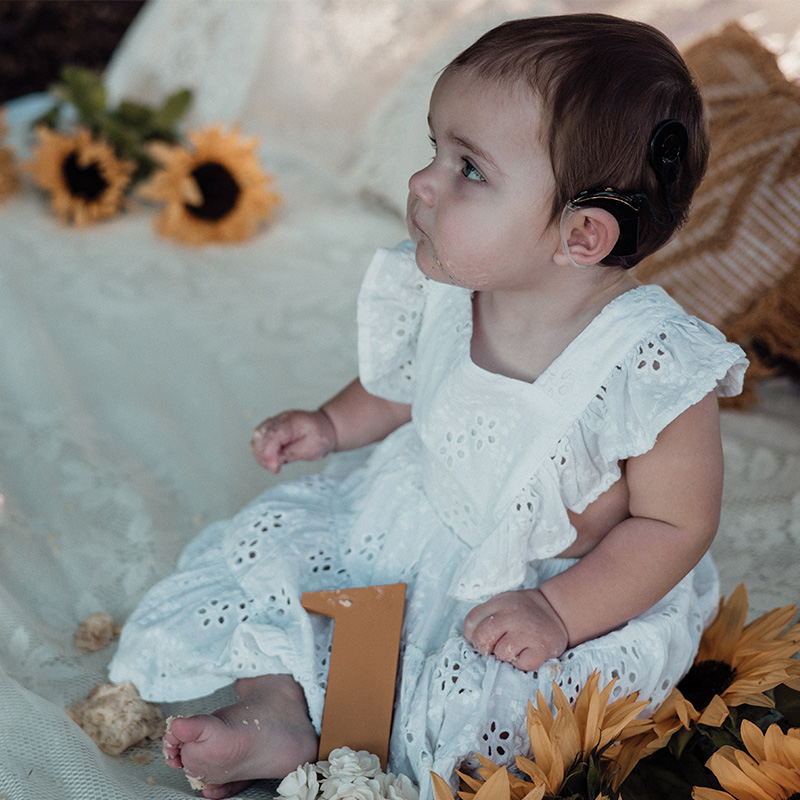
When Perth mum Lacy Swan’s daughter Charlotte failed the newborn hearing test at 3 days of age, the medical team explained it could simply be due to fluid on the ears.
Childhood cancer survivors (CCS) are at risk of long-term skeletal muscle deficits following intensive therapies during critical periods of growth. This review aimed to synthesize approaches for assessing muscle quantity, quality, and function in CCS and to quantify deficits relative to healthy peers.
The developing hippocampus is particularly sensitive to early environmental influences, including during pregnancy. This longitudinal neuroimaging study examined associations between prenatal maternal physical activity and depression, maternal education, and hippocampal development from early childhood to early adolescence.
The capacity for children to self-regulate is an important developmental task of early childhood, with caregivers playing an integral role in self-regulation development. While caregivers' emotions and behaviors are known to impact child self-regulatory capacity, the impact of child self-regulation difficulties on parents is less understood.
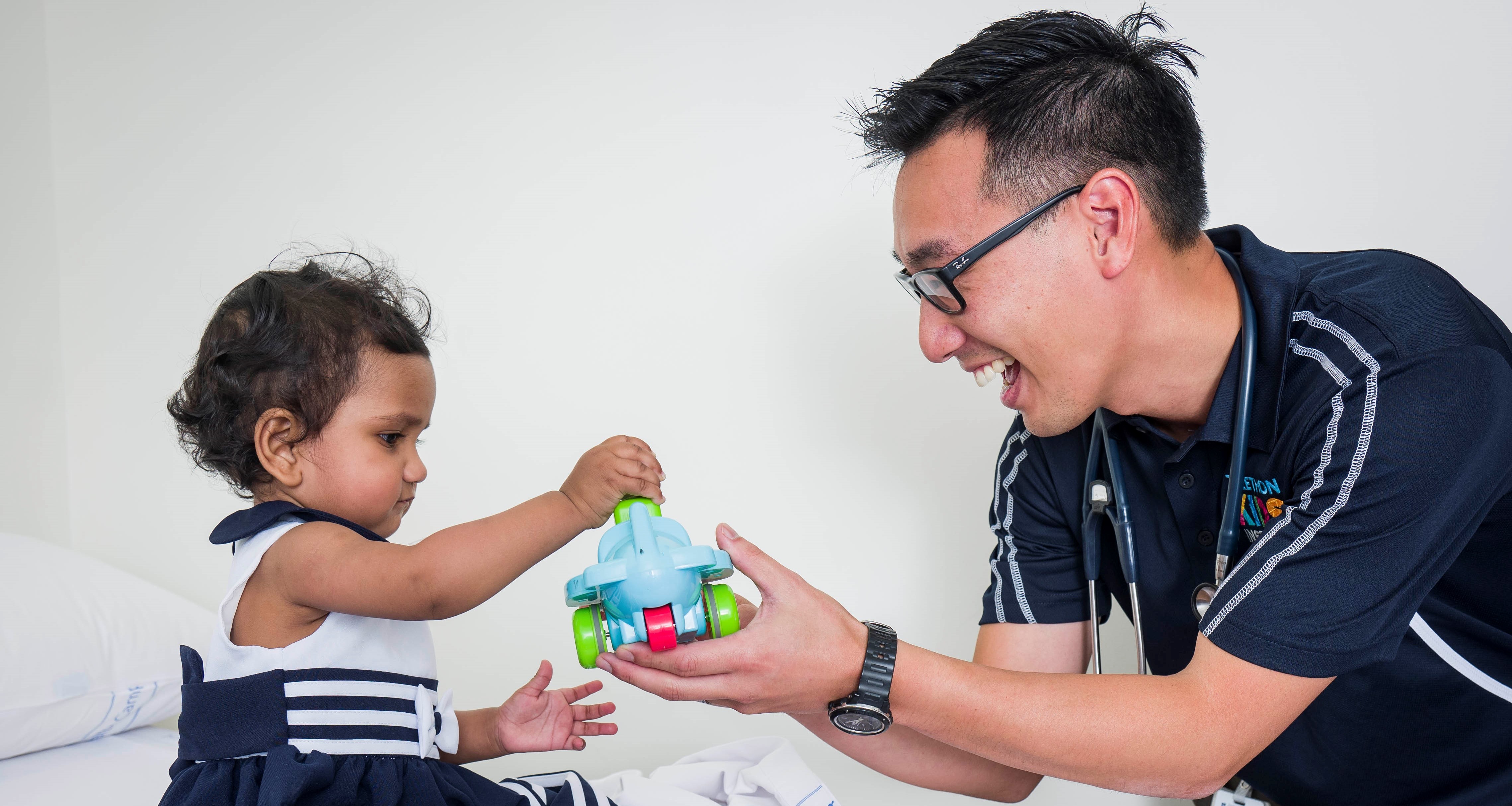
The ORIGINS Project, a collaboration between The Kids and Joondalup Health Campus, is collecting data and biological samples from 10,000 families over 10 years. Its work is also giving participating families a valuable heads up on health issues.
Current immunization guidelines recommend one dose of influenza vaccine for children aged ≥9 years and two doses for younger or vaccine-naïve children. However, children receiving chemotherapy have an attenuated immune response. We performed a prospective open-label study in children undergoing treatment for cancer at Perth Children's Hospital, Western Australia, to examine the safety and efficacy of a boosted influenza schedule.
Children with neurodevelopmental disorders often experience difficulties in acquiring and executing movement skills. Although the motor profiles of neurodivergent children frequently overlap, rigid conceptual distinctions between diagnostic labels have been imposed by traditional categorical approaches to taxonomy. An alternative transdiagnostic approach is proposed to better represent the similarities between presentations.