
Search

Head, Youth Mental Health
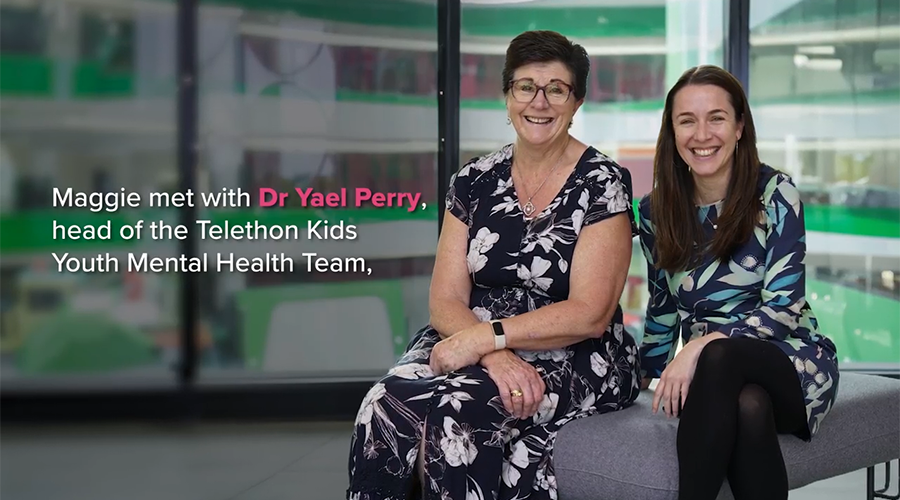
We were delighted to have Australia’s best-known parenting author, Maggie Dent, back at The Kids Research Institute Australia this week, to talk about the mental health of our teenagers.
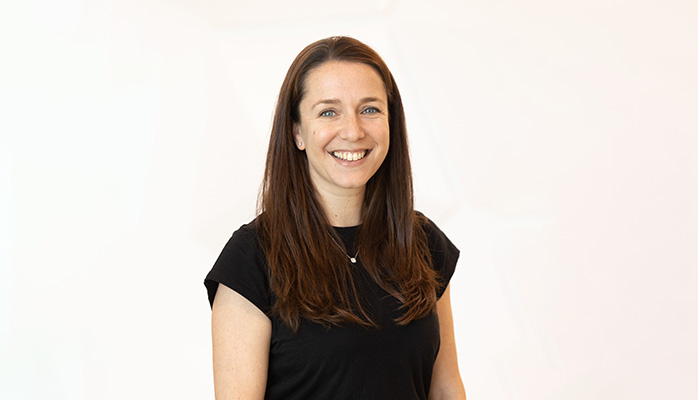
Congratulations to Head of Youth Mental Health at The Kids Research Institute Australia, Dr Yael Perry, who has received a Telstra Health 2023 Brilliant Women in Digital Health Award in recognition of her innovative use of technology to achieve positive mental health outcomes for marginalised young people.

Communities with poor access to mental health services are eight times more likely to be youth suicide hotspots, according to new The Kids Research Institute Australia research.

The Kids Research Institute Australia and The University of Western Australia researchers have been awarded more than $1 million in funding from Healthway, for projects to improve the mental health of LGBTQA+ young people, encourage early physical activity in childcare centres and create healthier local environme

Transforming Families is providing evidence-based resources to help support the mental wellbeing of young people questioning their gender identity, or who identify as trans or gender diverse.
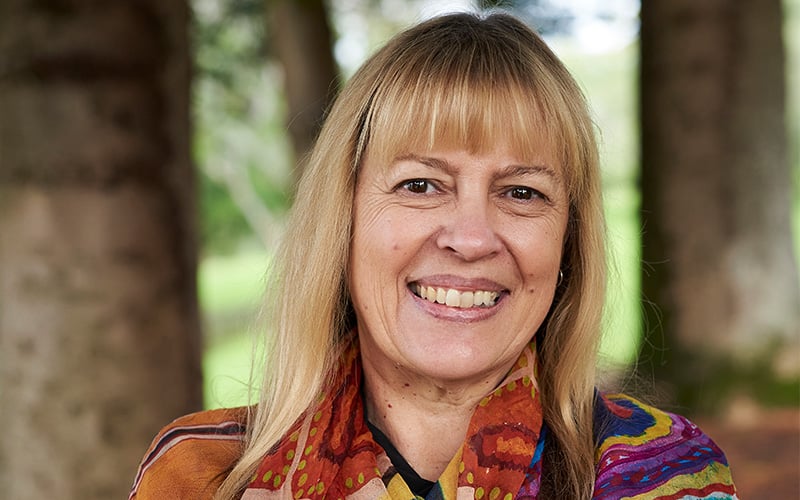
Prominent consultant psychiatrist and Western Australia’s 2021 Australian of the Year, Professor Helen Milroy AM, has been recognised as a Member of the Order of Australia (General Division).
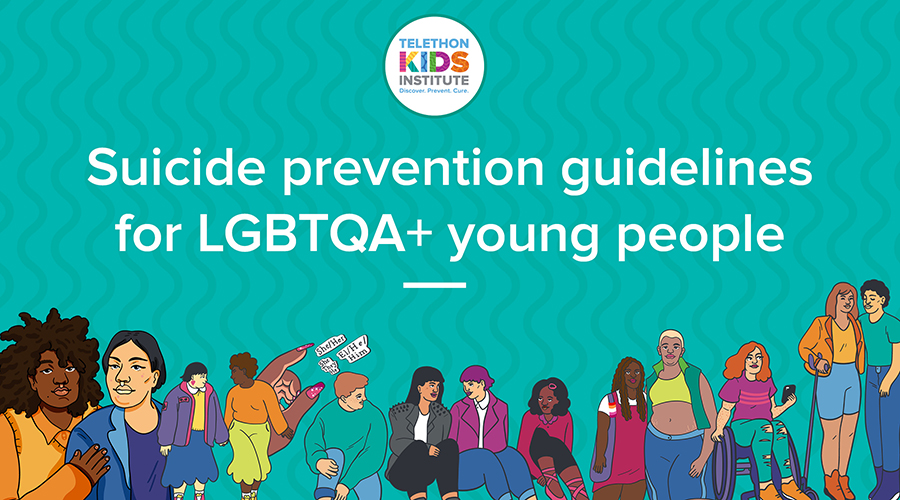
Researchers have developed Australia’s first comprehensive guidelines for clinical and community services supporting LGBTQA+ youth.
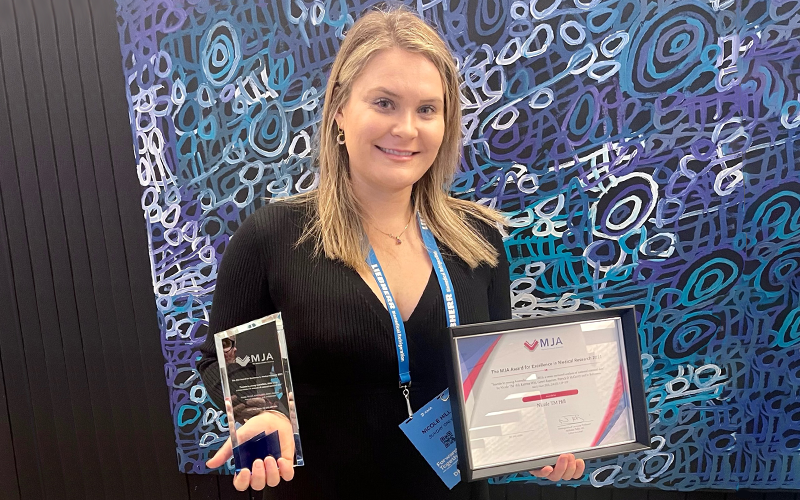
Dr Nicole Hill and a team of co-researchers from Orygen have received the 2021 Medical Journal of Australia (MJA) award for Excellence in Medical Research.
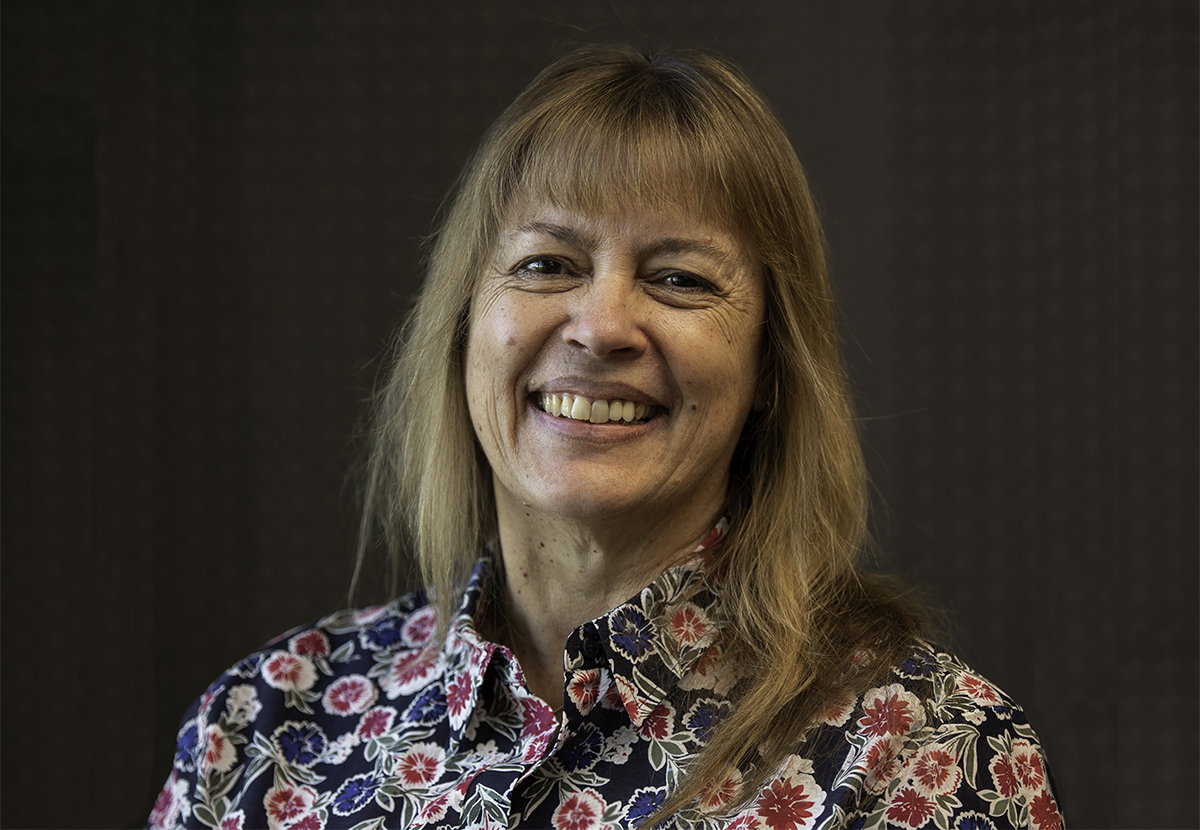
Pioneering Aboriginal psychiatrist, researcher and mental health champion Professor Helen Milroy has been named joint winner of the 2020 Australian Mental Health Prize.