
Search
Streptococcus pyogenes, or group A Streptococcus (GAS), infections contribute to a high burden of disease in Aboriginal Australians, causing skin infections and immune sequelae such as rheumatic heart disease. Controlling skin infections in these populations has proven difficult, with transmission dynamics being poorly understood. We aimed to identify the relative contributions of impetigo and asymptomatic throat carriage to GAS transmission.
In partnership with local Aboriginal Community Controlled Health Organisations, the Elder-led co-designed Koolungar Moorditj Healthy Skin project is guided by principles of reciprocity, capacity building, respect, and community involvement. Through this work, the team of Elders, community members, clinicians and research staff have gained insight into the skin health needs of urban-living Aboriginal koolungar (children); and having identified a lack of targeted and culturally appropriate health literacy and health promotion resources on moorditj (strong) skin, prioritised development of community-created healthy skin resources.
Healthy skin is important for maintaining overall physical and cultural health and wellbeing. However, remote-living Australian Aboriginal children contend with disproportionally high rates of Streptococcus pyogenes (Strep A) infected impetigo.
Children spend almost one-third of their waking hours at school. Streptococcus pyogenes (Strep A) is a common childhood bacterial infection that can progress to causing serious disease. We aimed to detect Strep A in classrooms by using environmental settle plates and swabbing of high-touch surfaces in two remote schools in the Kimberley, Western Australia.
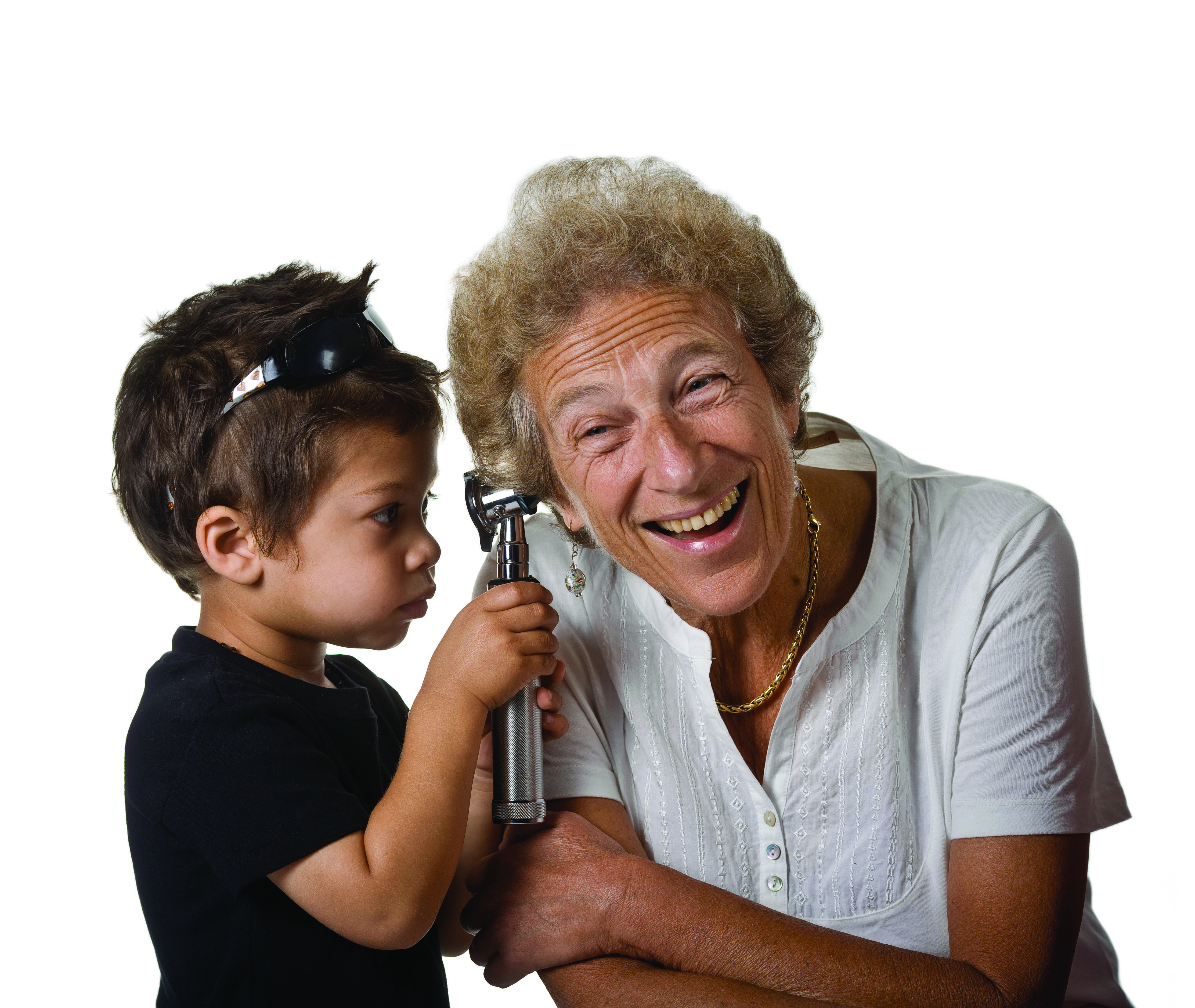
The Deborah Lehmann Research Award in Paediatric Infectious Disease Research is a funding mechanism to support the training and development of early- to mid-career researchers (EMCR) or Higher Degree by Research (HDR) students who are nationals from the Pacific Region working in or outside their hom
Rising proportions of antimicrobial resistance (AMR) have been observed in both Staphylococcus aureus and Enterococcus spp. isolates.
Scabies and related bacterial skin and soft tissue infections are highly prevalent in many tropical, low- and middle-income settings. These skin conditions contribute to higher healthcare costs and burdens on healthcare systems.
The skin is the largest and most visible organ of the human body. As such, skin infections can have a significant impact on overall health, social wellbeing and self-image.
Invasive fungal disease is a common and important complication in children with acute myeloid leukaemia (AML). We describe the epidemiology of IFD in a large multicentre cohort of children with AML.
Skin conditions most frequently encountered in paediatric practice include infections, infestations, atopic dermatitis, and acne. Skin of colour refers to skin with increased melanin and darker pigmentation, and reflects global racial and ethnic diversity. Managing skin conditions in skin of colour requires health equity nuance, which is rarely explicitly taught.