
Search
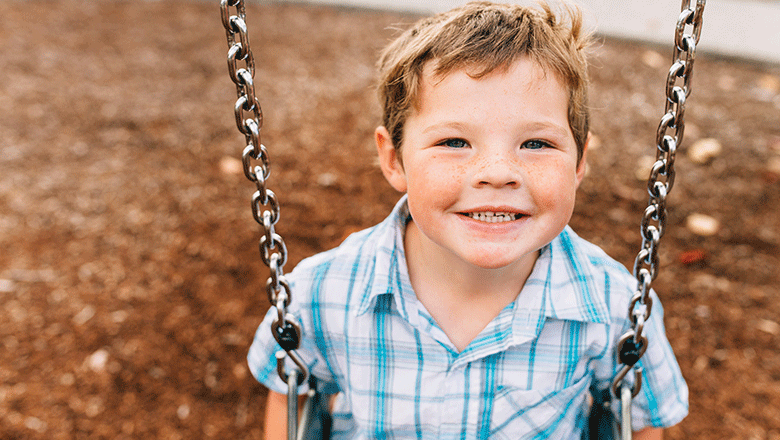
Researchers will track the progress of 12,000 children from birth to age five to identify what services are valuable to families to support the health and wellb

Congratulations to three The Kids Research Institute Australia researchers, who have been awarded funding from the Raine Medical Research Foundation.
Delivering tangible and measurable improvements to the health and wellbeing of children is at the centre of a bold new blueprint for child health research in WA
Invasive pulmonary aspergillosis remains a major cause of morbidity and mortality for immunocompromised children, particularly for patients with acute leukaemia and those undergoing haematopoietic stem cell transplantation. Timely diagnosis, using a combination of computed tomography (CT) imaging and microbiological testing, is key to improve prognosis, yet there are inherent challenges in this process. For CT imaging, changes in children are generally less specific than those reported in adults and recent data are limited.
Equitable SARS-CoV-2 surveillance in low-resource communities lacking centralized sewers is critical as wastewater-based epidemiology (WBE) progresses. However, large-scale studies on SARS-CoV-2 detection in wastewater from low-and middle-income countries is limited because of economic and technical reasons.
Previous research has demonstrated wellbeing benefits for positive education programmes (PEPs) facilitated by clinicians or experts or outside the school context. The current study explored the effects of a Year 10 PEP led by teachers trained in positive education and embedded within the Australian secondary school context.
Biodiesel, which can be made from a variety of natural oils, is currently promoted as a sustainable, healthier replacement for commercial mineral diesel despite little experimental data supporting this. The aim of our research was to investigate the health impacts of exposure to exhaust generated by the combustion of diesel and two different biodiesels.
Childhood obesity and physical inactivity are two of the most significant modifiable risk factors for the prevention of non-communicable diseases. Yet, a third of children in Wales and Australia are overweight or obese, and only 20% of UK and Australian children are sufficiently active.
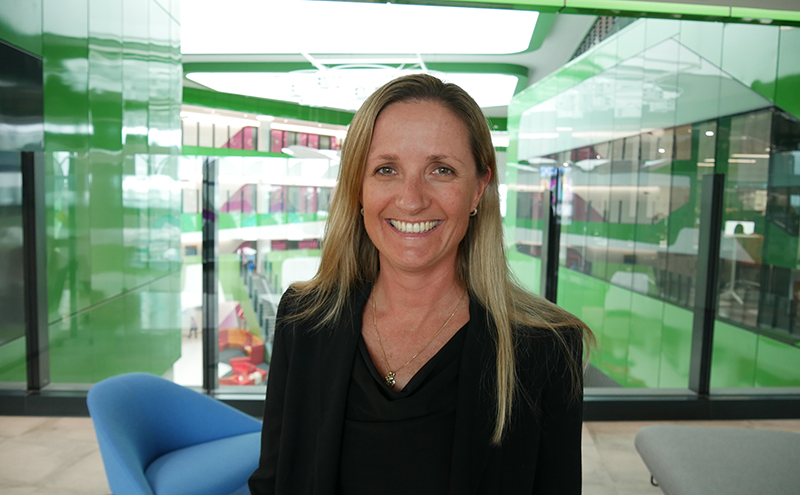
A The Kids Research Institute Australia researcher focused on promoting more active childhoods to improve child health and wellbeing will be named amongst WA’s most outstanding young scientists at the upcoming 2020 Young Tall Poppy Science Awards.
Western Australia’s biggest and only medical research institute dedicated to improving kids’ health and wellbeing has rebranded to The Kids Research Institute Australia.