Skip to content
The Kids Research Institute Australia logo
Donate

No results yet

Search

Research

Association of Achieving Time in Range Clinical Targets With Treatment Modality Among Youths With Type 1 Diabetes

Continuous glucose monitoring (CGM) devices have demonstrated efficacy in adults and more recently in youths and older adults with type 1 diabetes. In adults with type 1 diabetes, the use of real-time CGM compared with intermittently scanned CGM was associated with improved glycemic control, but there are limited data available for youths. 

Research

Blood pressure in adolescents and young adults with type 1 diabetes: data from the Australasian Diabetes Data Network registry

Hypertension increases complication risk in type 1 diabetes (T1D). We examined blood pressure (BP) in adolescents and young adults with T1D from the Australasian Diabetes Data Network, a prospective clinical diabetes registry in Australia and New Zealand. 

Research

Transition models of care for type 1 diabetes: a systematic review

Managing the care regimen for Type 1 Diabetes is challenging for emerging adults, as they take on greater responsibility for self-management. A diverse range of models of care have been implemented to improve safety and quality of care during transition between paediatric and adult services. However, evidence about acceptability and effectiveness of these is limited.

Research

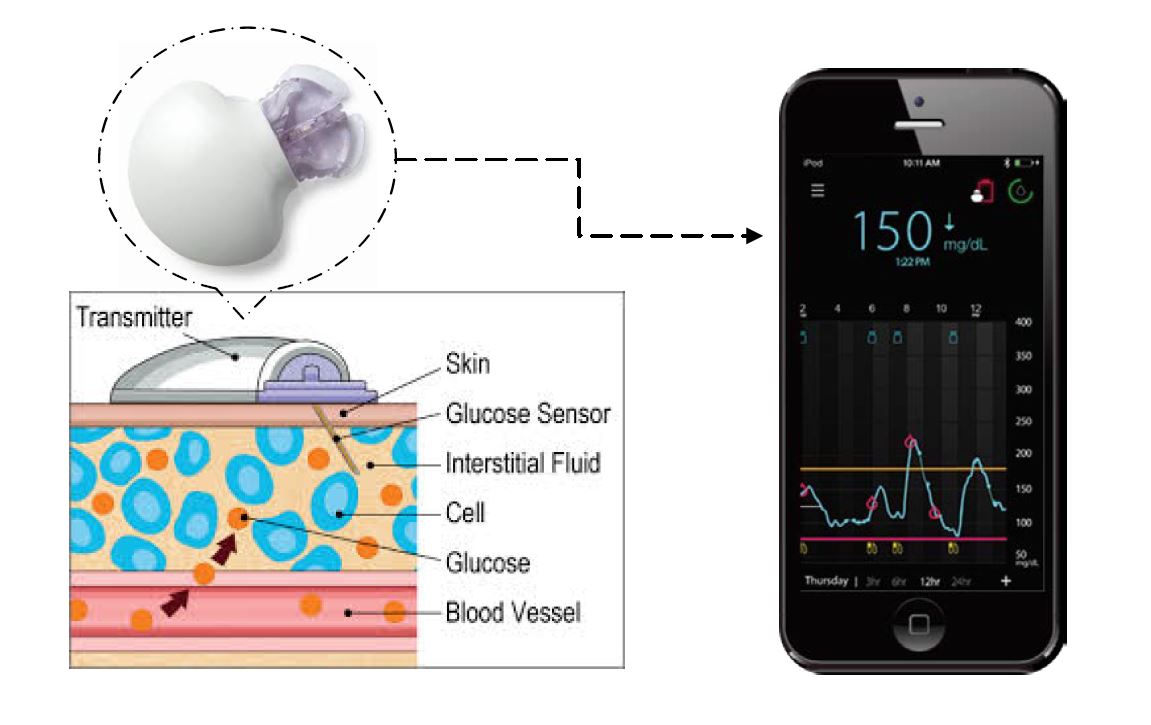
Impact of Body Composition on the Accuracy of a Medtronic Guardian Continuous Glucose Monitoring System

Continuous glucose monitoring systems are used in therapeutic decisions for diabetes management, however, the impact of body composition on CGM accuracy is not known. Body composition variables were collected in an observational study designed to determine the accuracy of an investigational Medtronic Guardian™ sensor 3.

Research

"i Think i Could Have Used It Better": Experiences of Youth with High HbA1c Commencing Advanced Hybrid Closed-Loop Therapy in a Clinical Trial Setting - A Qualitative Research

Advanced hybrid closed-loop (AHCL) therapy improves glycemia. However, it is not known if there is an improvement in overall outcomes with AHCL for youth with type 1 diabetes (T1D) at high risk of diabetes-related complications. The study aimed to capture the experiences of youth with suboptimal glycemic control when commencing AHCL therapy in a clinical trial setting. 

Research

The Cost of Control: Cost-effectiveness Analysis of Hybrid Closed-Loop Therapy in Youth

Hybrid closed-loop (HCL) therapy is an efficacious management strategy for young people with type 1 diabetes. However, high costs prevent equitable access. We thus sought to evaluate the cost-effectiveness of HCL therapy compared with current care among young people with type 1 diabetes in Australia.

Research

Socioeconomic representativeness of Australian, Canadian and British cohorts from the paediatric diabetes AdDIT study: comparisons to regional and national data

Given limited data regarding the involvement of disadvantaged groups in paediatric diabetes clinical trials, this study aimed to evaluate the socioeconomic representativeness of participants recruited into a multinational clinical trial in relation to regional and national type 1 diabetes reference populations. 

Research

Continuous glucose monitoring has an increasing role in pre-symptomatic type 1 diabetes: Advantages, limitations, and comparisons with laboratory-based testing

Type 1 diabetes is well-recognised as a continuum heralded by the development of islet autoantibodies, progression to islet autoimmunity causing beta cell destruction, culminating in insulin deficiency and clinical disease. Abnormalities of glucose homeostasis are known to exist well before the onset of typical symptoms.

Research

An Assessment of Clinical Continuous Glucose Monitoring Targets for Older and High-Risk People Living with Type 1 Diabetes

To assess relationships between continuous glucose monitoring (CGM) time in range (TIR), 70-180 mg/dL, time below range (TBR), <70 mg/dL, time above range (TAR), >180 mg/dL, and glucose coefficient of variation (CV) in relation to currently recommended clinical CGM targets for older people, which recommend reduced TIR and TBR targets relative to the general type 1 diabetes population.