
Search
Showing results for "A"
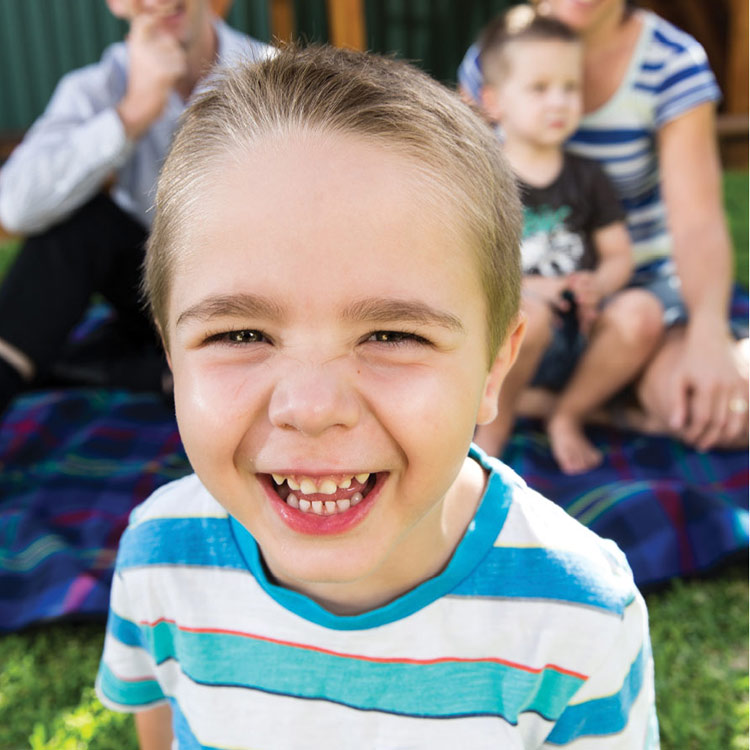
At 6 weeks old David was diagnosed as having cystic fibrosis. His parents say that his involvement in research offers them their greatest hope for his future.
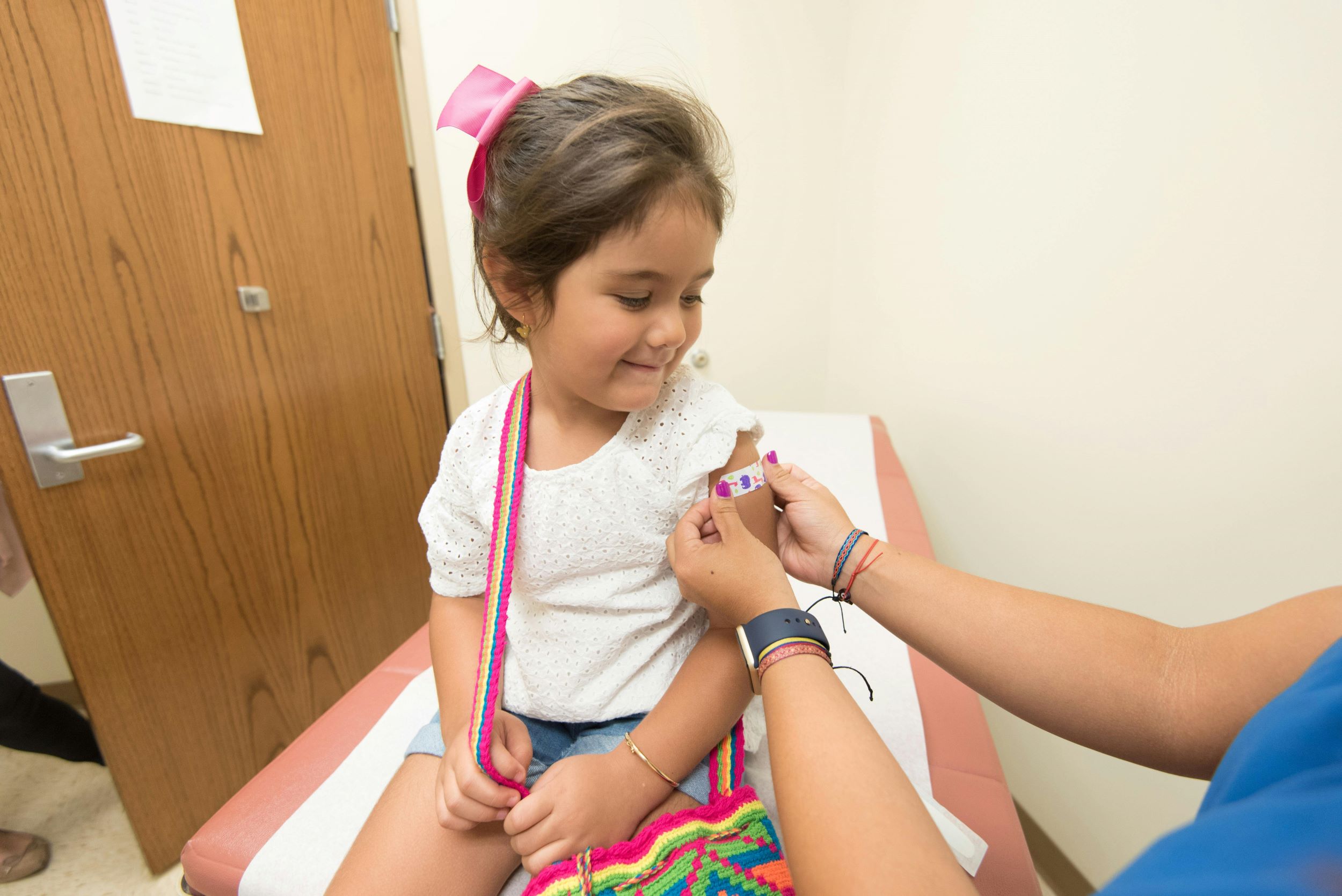
Exploring whether urinary ferritin can be used as an alternative biomarker for measuring iron status in young children over blood draws.

We know that caring for a child with type 1 diabetes (T1D) can be incredibly challenging. We also know that caregivers of children with T1D experience high levels of distress and anxiety. We are looking to better understand what this experience is like for caregivers so that we can identify
This project investigates how different populations of cells within the respiratory tract immune system are altered during a viral infection.
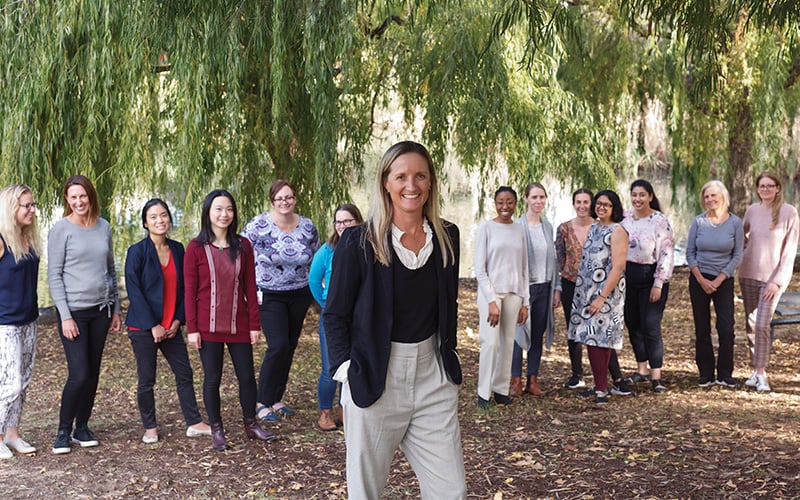
The Kids Research Institute Australia researchers are urging governments to listen more to what kids need.
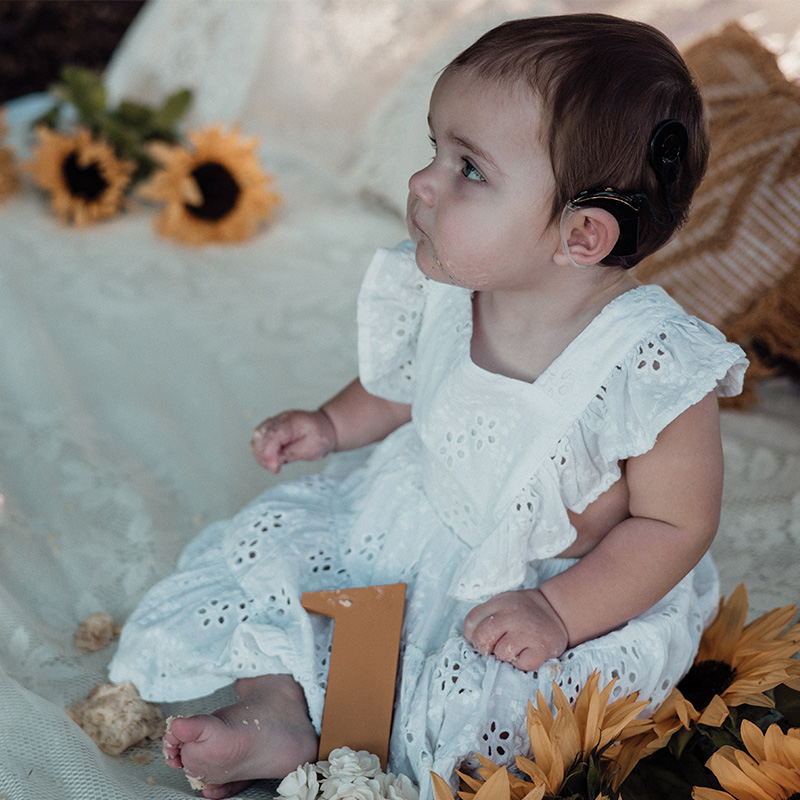
When Perth mum Lacy Swan’s daughter Charlotte failed the newborn hearing test at 3 days of age, the medical team explained it could simply be due to fluid on the ears.
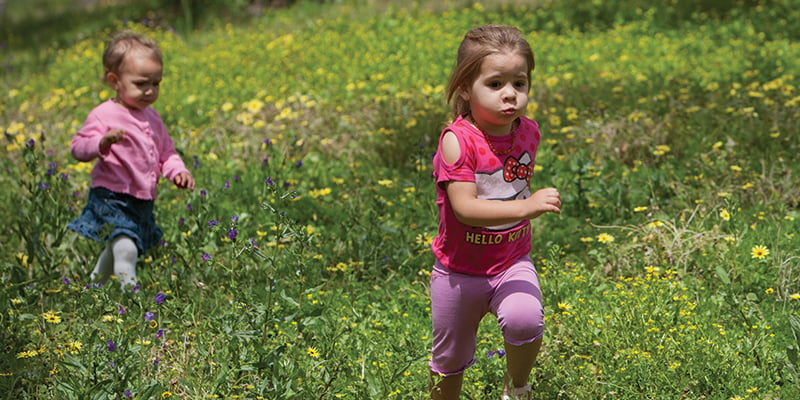
A child can’t thrive if they don’t have a roof over their head.
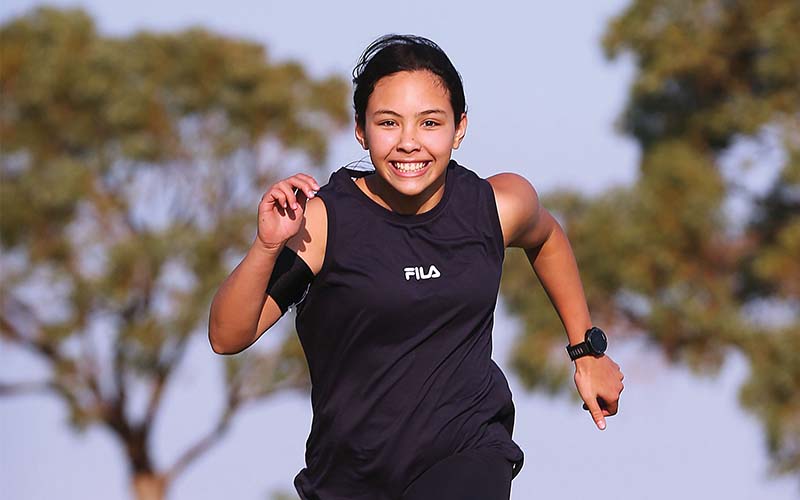
Despite the risk of having a hypo (low blood glucose levels), Gina said she refused to let T1D stop her from exercising.
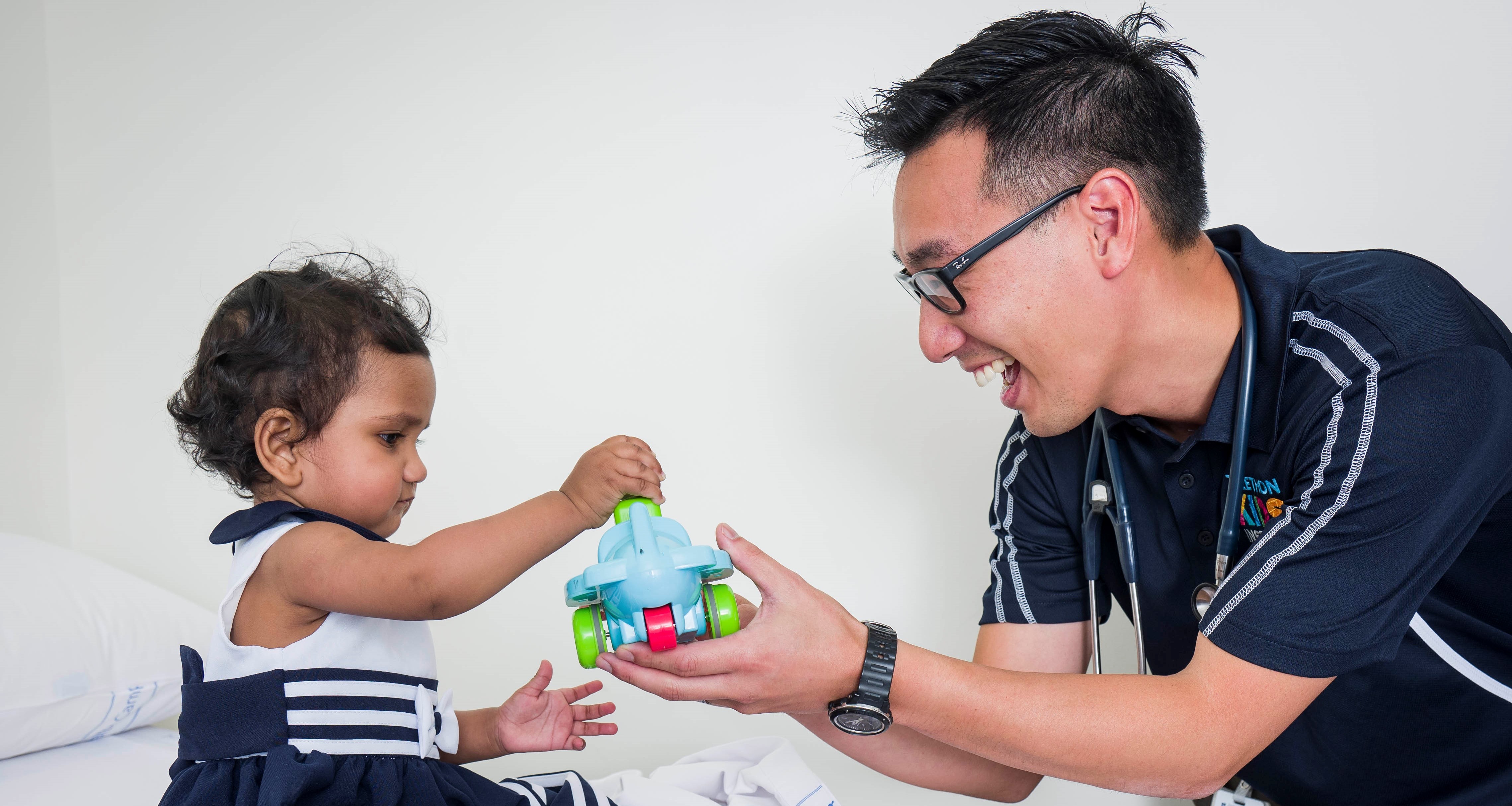
The ORIGINS Project, a collaboration between The Kids and Joondalup Health Campus, is collecting data and biological samples from 10,000 families over 10 years. Its work is also giving participating families a valuable heads up on health issues.
We present the case of a prepubescent man of African descent who developed a spitzoid melanocytic proliferation showing evidence of a novel promoter hijacking ALK-C2orf42 rearrangement, with atypical histology, clinically apparent metastatic disease, and abnormal cytogenetic findings, representing a rare genuine case of "Spitz melanoma of childhood."