
Search
Showing results for "A"

A lung function study carried out by Dr Shannon Simpson provided the most comprehensive follow-up of very pre-term children of any study so far carried out on the lung health of this vulnerable group.
The World Health Organisation resolution for global action to tackle rheumatic heart disease (RHD) will have significant implications for Australia, which has some of the highest rates of the disease in the world.
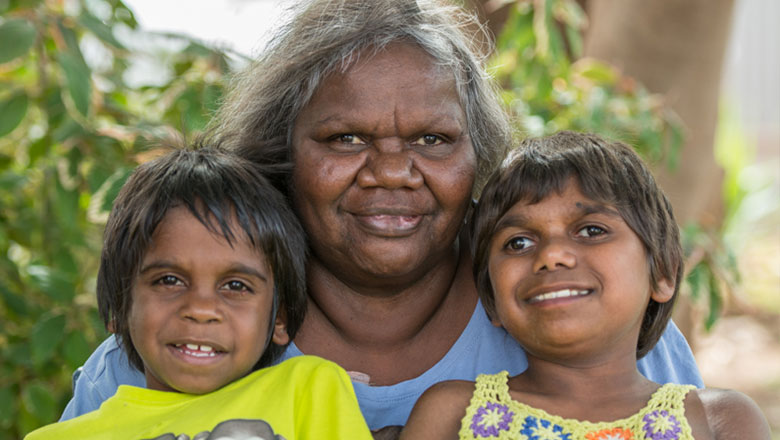
Can resilience improve health outcomes in Aboriginal young people? That question will be explored by The Kids Research Institute Australia researcher Clair Scrine.
Peter Ruth Elke Richmond Thornton Seppanen MBBS MRCP(UK) FRACP PhD BSc PhD Head, Vaccine Trials Group Co-head, Bacterial Respiratory Infectious
Alexander Larcombe BScEnv (Hons) PhD Honorary Research Fellow Honorary Research Fellow Associate Professor Alexander Larcombe began work at The Kids
In Australia, RHD-related death and disability is the leading driver of cardiovascular inequality between Indigenous and non-Indigenous Australians.
The findings from this study show that in children with asthma this protective barrier is different from children without asthma.
A vaccine that prevents the initial attachment of Strep A to the tonsils would reduce the incidence of Strep throat and severe diseases that result.
Aims: To determine the minimum inhibitory concentrations of penicillin G against a representative collection of Strep A strains; and to evaluate the impact of penicillin G concentration and size of bacterial inoculum on the prophylactic effect for Strep A strains
Australian children aged 5 years and younger are exposed to more screen time (e.g., televisions, tables, and smartphones) than ever before.