
Search
Rates of diagnosis of autism have risen since 1980, raising the question of whether some children who previously had other diagnoses are now being diagnosed...
This article tests the hypothesis that individuals with autism poorly encode verbal information to the semantic level of processing, instead paying greater...
With persistent challenges in determining the 'right' therapy or support for autistic children, there is a growing need for clinicians to integrate the preferences and priorities of clients and their families in their clinical decision making.
Autistic adolescents are vulnerable to sleep difficulties, with up to 80 % experiencing sleep problems, most commonly insomnia. Little is known about how autistic adolescents are involved in their own sleep treatment, and their depth of knowledge about their sleep difficulties. The aims of this study were to investigate autistic adolescent and parent perspectives of experiencing and managing insomnia, and what factors influence the development of these perspectives on insomnia and treatment.
Emerging evidence suggests that observers tend to form less favorable first impressions toward autistic people than toward non-autistic people. These negative impressions may be associated with immediate behavioral responses, as well as long-lasting attitudes toward those being observed that may negatively impact their psychosocial wellbeing.
There is emerging evidence that LEGO® therapy is an effective way of supporting younger autistic children develop their communication and social skills. LEGO® robotics therapy - which uses the principles of LEGO® therapy applied to LEGO® robotics - may be an age-appropriate intervention to reduce anxiety and increase social skills in autistic adolescents.
The autistic and autism communities have identified improving the quality of life and well-being of autistic people as a key priority. Despite this, to date, there are no evidence-based supports for autistic children which specifically focus on improvements in these areas.

The Curtin University research in collaboration with The Kids Research Institute Australia, published in Autism Research, investigated more than 925,000 births in Denmark, Finland and Sweden.
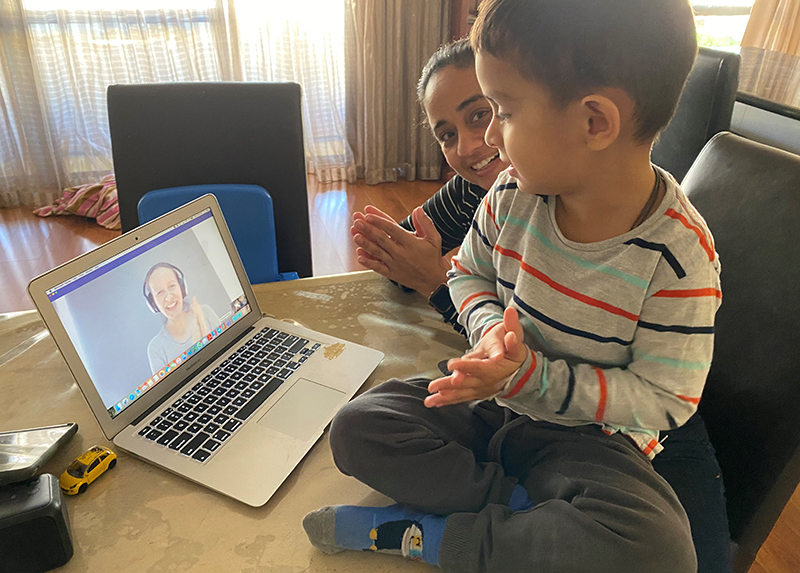
The CliniKids team has reimagined how allied health services for children with autism spectrum disorder or developmental delays are delivered.
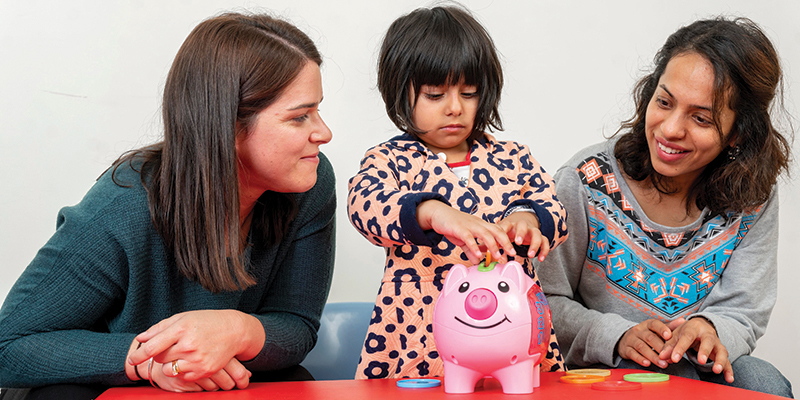
A unique new model developed by the The Kids autism research team marries cutting-edge research with clinical practice to offer families innovative, evidence-based interventions designed to help kids reach their full potential.