
Search
Individuals living with type 1 diabetes (T1D) are at an increased risk of experiencing psychological distress; however, there remains a scarcity of scalable and widely accessible support services, particularly for adolescents and young adults. To address this gap, digital mental health interventions are becoming an increasingly important area of innovation in diabetes care.
The declining mental health of youth in late adolescence and early adulthood represents a serious public health concern, resulting in substantial symptom burden, mortality, and societal cost. Despite this, youth with clinical mental illnesses show poor engagement with mental health services.
Siblings of individuals with neurodevelopmental conditions have unique experiences and sometimes additional challenges, especially in rural areas where there may be limited access to sibling-specific support services.
University students face obstacles while pursuing their goals, and these challenges risk undermining their mental health. Goal flexibility has been identified as beneficial for promoting well-being and protecting mental health; however, the relationship between goal flexibility and mental health challenges remains underexplored.
Off-label antipsychotic prescribing for non-psychotic disorders is increasing, often at low doses and over extended periods. While cardiometabolic adverse effects are documented among individuals treated with antipsychotics for psychotic disorders, the consequences of long-term off-label antipsychotic use are not well-known.
Parents of children and adolescents with chronic conditions have an increased risk of stress-related mental health problems, and reduced quality of life. Third wave Cognitive Behavioral Therapy interventions have been shown to reduce stress in this parent population. Studies demonstrate that this efficacy endures when these therapies are delivered online.
The concept of ultra-high risk for psychosis (UHR) has been at the forefront of psychiatric research for several decades, with the ultimate goal of preventing the onset of psychotic disorder in high-risk individuals. Orygen (Melbourne, Australia) has led a range of observational and intervention studies in this clinical population.

Three researchers from The Kids Research Institute Australia were recognised as being among Western Australia’s brightest and most innovative scientific minds at last night’s 24th Premier's Science Awards.
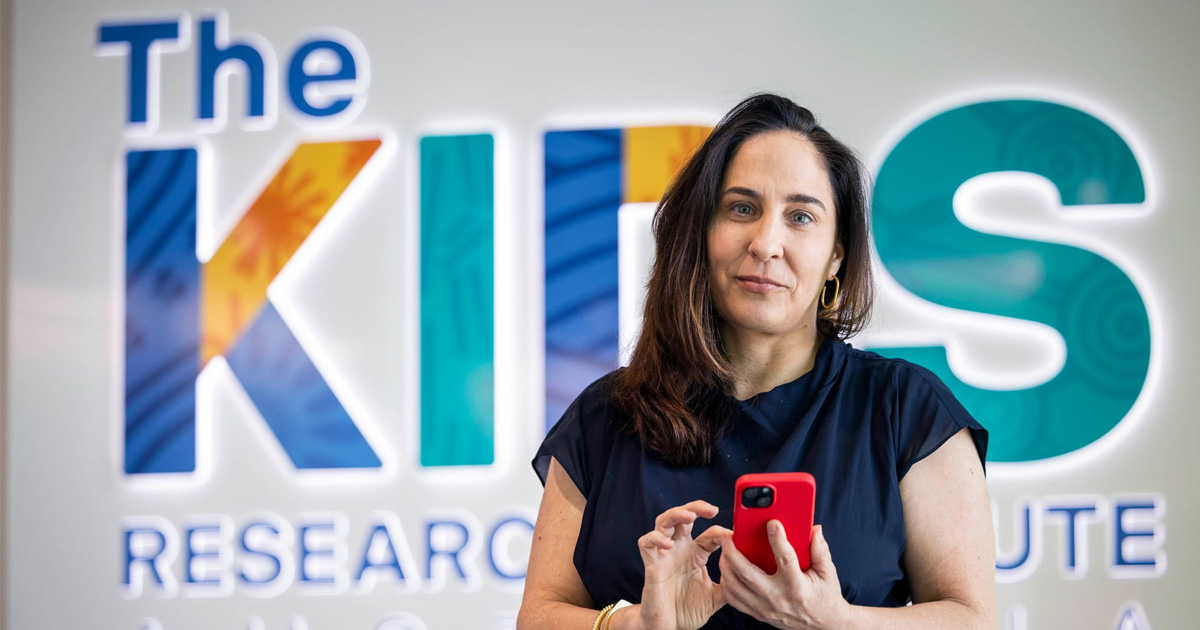
A unique national study to examine the impact of the Federal Government’s social media ban on families is being undertaken by The Kids Research Institute Australia, in collaboration The University of Western Australia and Edith Cowan University.

A The Kids Research Institute Australia researcher whose work focuses on the mental health of babies and young children has been chosen from a global field to become one of 20 new Zero to Three Fellows.