
Search
Showing results for "A"
Infants with cystic fibrosis (CF) develop structural lung disease early in life, and viral infections are associated with progressive lung disease. We hypothesized that the presence of respiratory viruses would be associated with structural lung disease on computed tomography (CT) of the chest in infants with CF.
Otitis media (OM) is one of the most common infections in young children, arising from bacterial and/or viral infection of the middle ear. Globally, Streptococcus pneumoniae and non-typeable Haemophilus influenzae (NTHi) are the predominant bacterial otopathogens. Importantly, common upper respiratory viruses are increasingly recognized contributors to the polymicrobial pathogenesis of OM.
Measurement of lung volumes across the life course is critical to the diagnosis and management of lung disease. The aim of the study was to use the Global Lung Function Initiative methodology to develop all-age multi-ethnic reference equations for lung volume indices determined using body plethysmography and gas dilution techniques.
De novo S. aureus acquisition at age 3 is associated with later bronchiectasis and FEF25-75 in children with CF
The aim of this study was to explore associations between severe respiratory infections and atopy in early childhood with persisting wheeze and asthma.
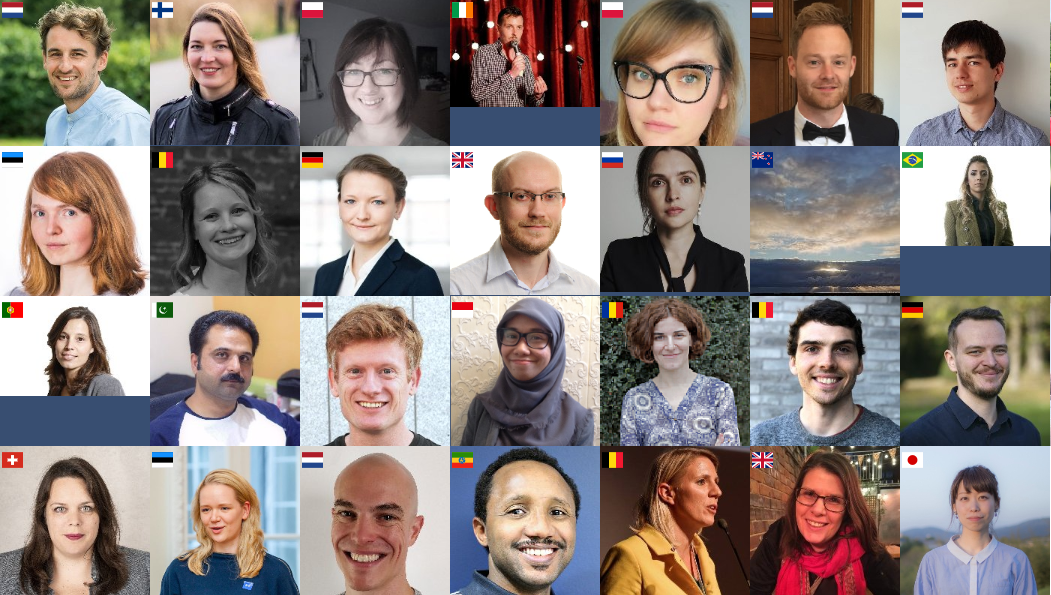
The Kids Research Institute Australia researchers have collaborated with global experts to launch an online tool designed to assess the risk of contracting COVID-19 and provide advice to reduce transmission.

New research has found children who are born even slightly premature or underweight are more likely to be hospitalised with an infection during their childhood

An international study examining Covid-19 severity on hospitalised children and adolescents has found that as the virus became more infectious, intensive care admissions dropped across multiple age groups regardless of vaccination status.
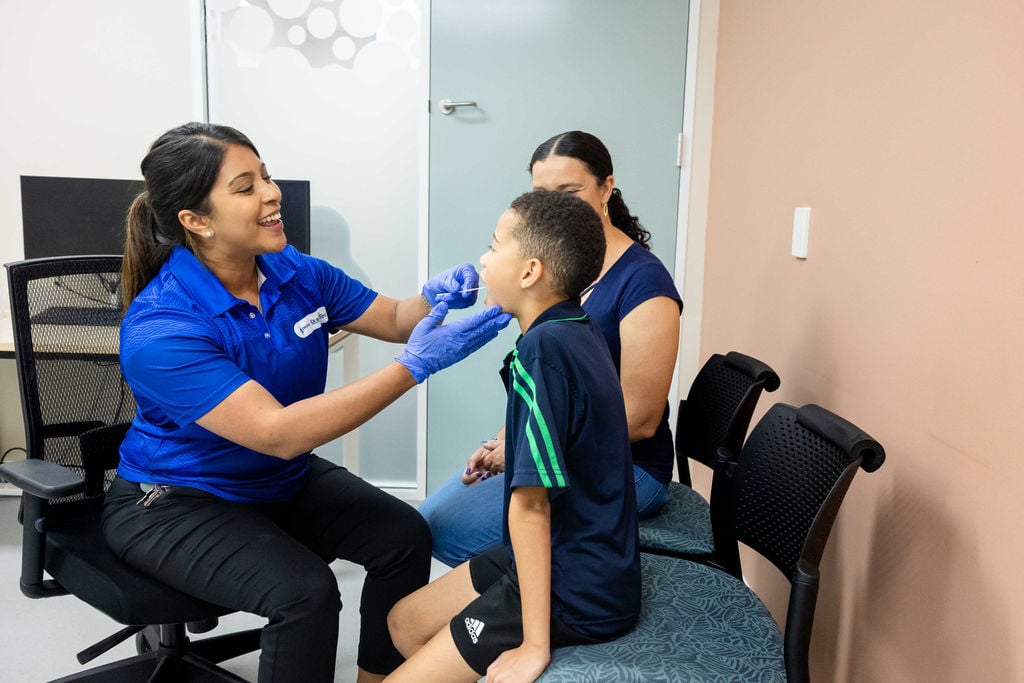
This sub-project aims to understand why some people develop long-term health problems after COVID-19 and to identify biological markers that can help doctors predict who is most at risk and how to treat them.

Determining the associations of sun exposure in early life on the development of non-communicable diseases.