
Search
Showing results for "A"
Accuracy of the AsbJEM in determining exposure-response relationships between asbestos exposure estimates and malignant mesothelioma incidence
Rapid facial reactions to emotional stimuli are intact in late adulthood, even in response to stimuli that activate more automatic and implicit forms of emotion processing
We examined relationships between parental pregnancy-related characteristics and NAFLD in 1,170 adolescent offspring aged 17 years in Raine Cohort Study.
Risk factors for cardiovascular disease (CVD), such as obesity, diabetes, hypertension and physical inactivity, are common in Australia, but the prevalence...
Few clinical respiratory laboratories have assessed the impact of changing reference equations on the interpretation of spirometric outcomes.
To assess whether lung volume and ventilation inhomogeneity in preterm infants at 15-18 months corrected age
Forced oscillation technique
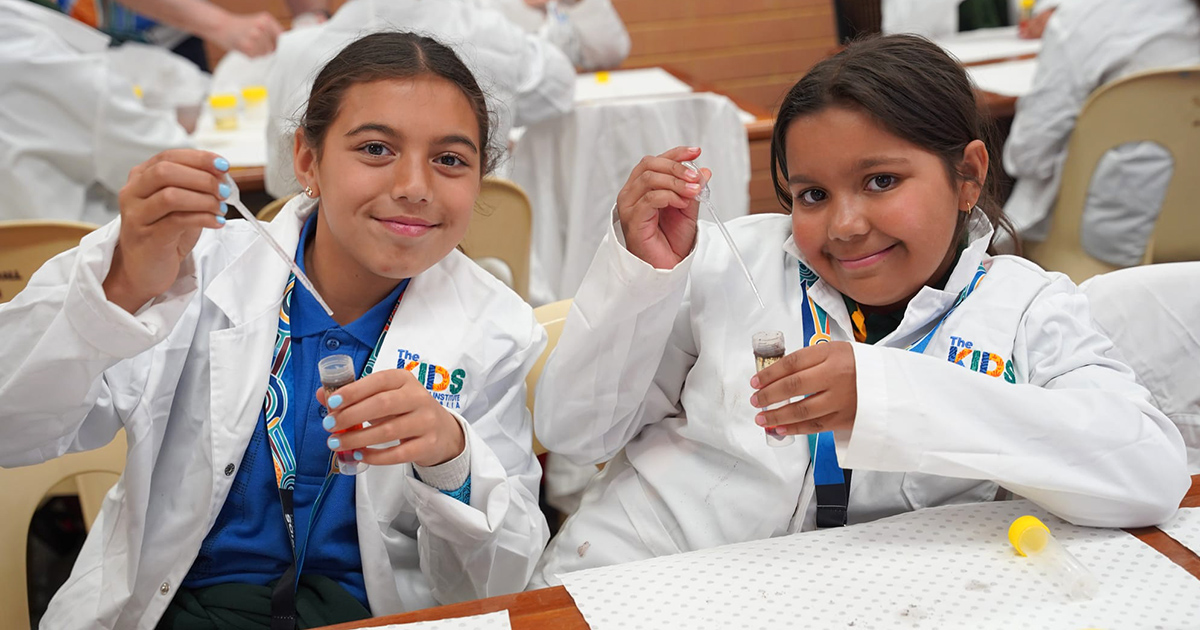
The Kids Research Institute Australia’s inaugural Kalgoorlie STEM Festival drew more than 600 children and was warmly embraced by the local community over two exciting days at Curtin University’s Graduates Hall.
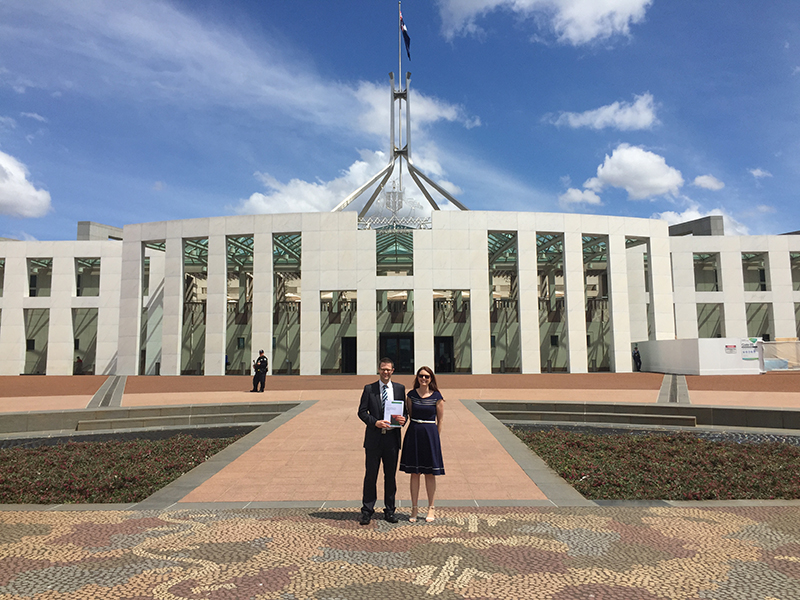
Researchers from The Kids Research Institute Australia, working with the Autism CRC, have led the development of the National Guideline for the Assessment and Diagnosis of Autism Spectrum Disorder in Australia which was launched today.
About half of all science graduates are women but despite large numbers entering the industry, women are still struggling to secure the top jobs.