
Search
Showing results for "A"
The extent to which maternal smoking in pregnancy (MSP) has persisting effects on respiratory health remains uncertain and the mechanisms involved are not...

Congratulations to Indigenous genomics researcher Dr Justine Clark, who is one of two scientists nationally to receive the Australian Academy of Science’s 2024 Aboriginal and Torres Strait Islander Science Award.
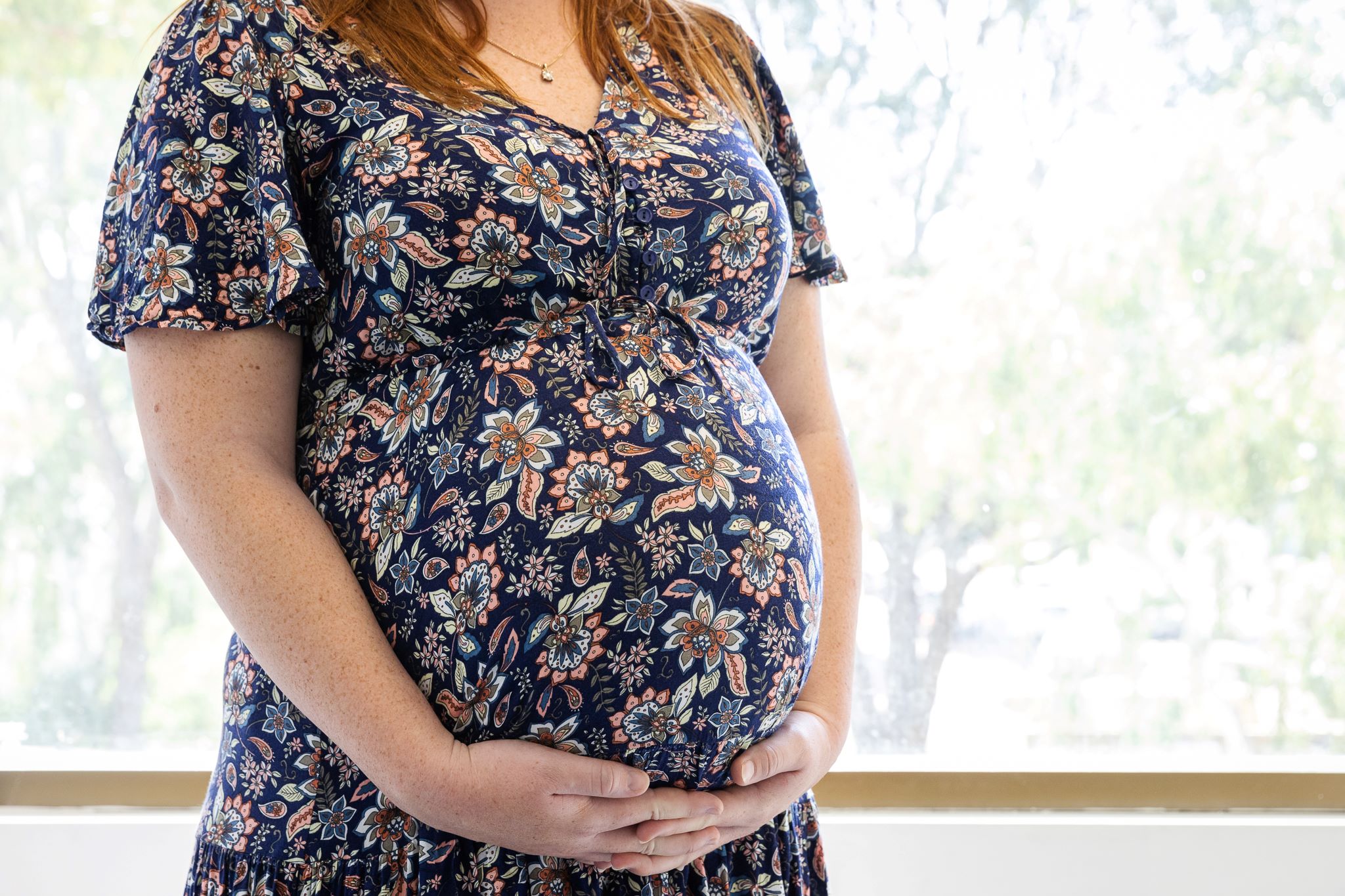
STress biOmaRKers in pregnant women

Perth’s The Kids Research Institute Australia has welcomed the McGowan Government’s call today for the immediate implementation of mandatory pregnancy health warning labels.

There is an urgent need for improved cultural safety for Aboriginal and Torres Strait Islander young people in mental healthcare, new research has revealed.
The link between respiratory and vascular health is well documented in adult populations. Impaired lung function is consistently associated with thicker arteries and higher incidence of cardiovascular disease. However, there are limited data on this relationship in young children and the studies that exist have focussed on populations at high risk of cardiorespiratory morbidity.
There is growing evidence that lung function in early-life predicts later lung function. Adverse events over the lifespan might influence an individual’s lung function trajectory, resulting in poor respiratory health. The aim of this study is to identify early-life risk factors and their impact on lung function trajectories to prevent long-term lung impairments.

Nutrition in preschool children with autistic behaviours.
Transcription factors known to induce the epithelial-to-mesenchymal transition (EMT) (such as ZEB1/2 [zinc finger E-box binding homeobox 1/2], SNAI1/2/3, and TWIST1/2) have been undoubtedly implicated in tumorigenesis, cancer progression, metastasis, and chemoresistance in solid tumors; however, their role in normal and malignant hematopoiesis has been underappreciated for many years.
Lung function is highly heritable and differs between the sexes throughout life. However, little is known about sex-differential genetic effects on lung function. We aimed to conduct the first genome-wide genotype-by-sex interaction study on lung function to identify genetic effects that differ between males and females.