
Search
Showing results for "A"

Honorary Research Associate
Senior Project Officer

Four The Kids Research Institute Australia researchers are among those who have received funding in the WA State Government's Merit Award Program announced today.
Join Dr Andrew Whitehouse, head of Developmental Disorders research at The Kids, as he shares with you his vision for autism research.
esearchers from Perth's Centre for Research Excellence in Aboriginal Health and Wellbeing have won more than $1.3 million in competitive funding
The head of Indigenous research at Perth's The Kids for Child Health Research has been honoured as the 2008 National NAIDOC Person of the Year.
The Government of Uzbekistan has committed to reforming preschool education, prioritising upskilling teachers to use international best practice.
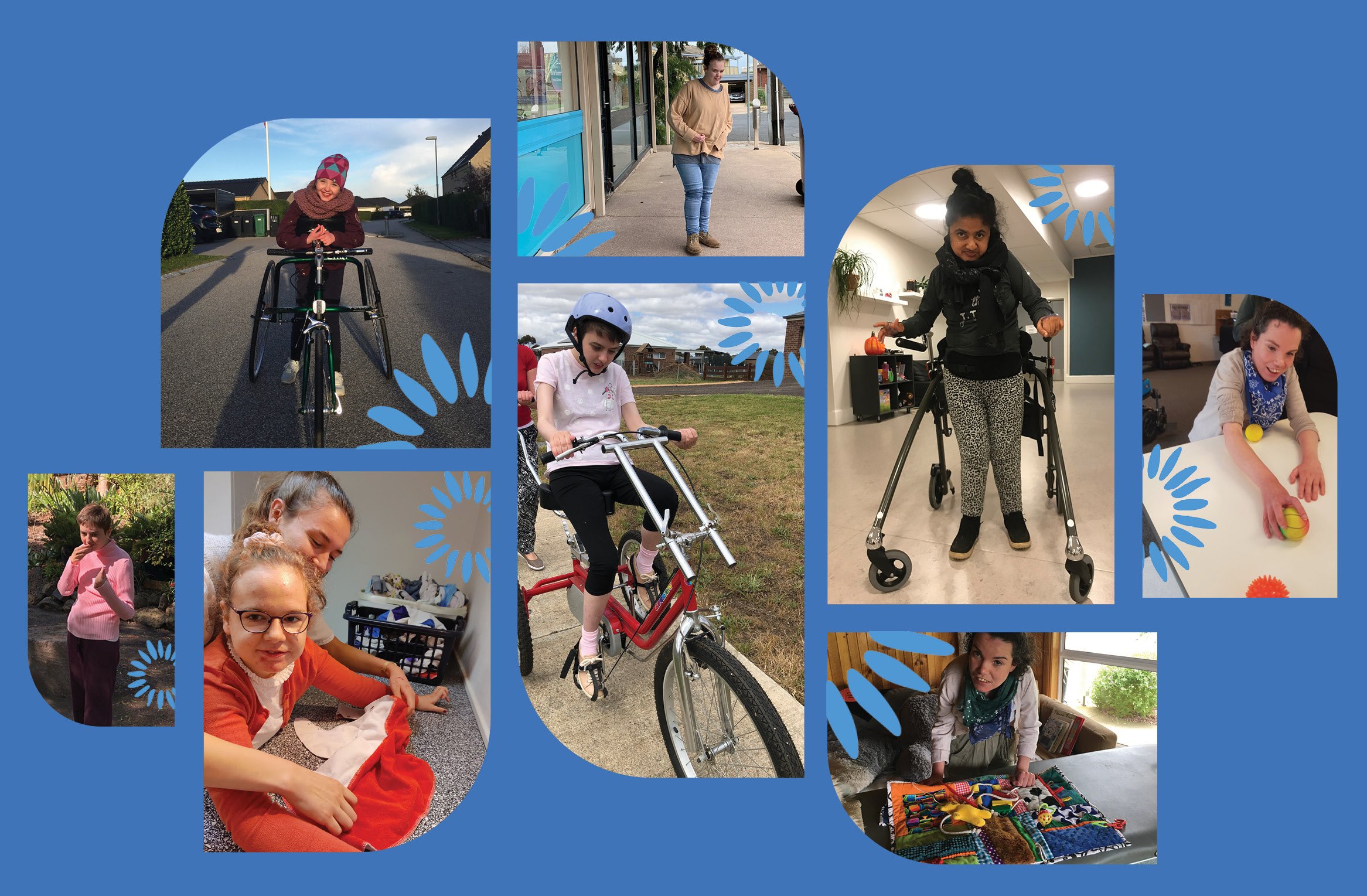
Anyone who engages in physical activity, regardless of how much they do, can achieve mental, physical and social health benefits, resulting in benefits to their quality of life.
Nirsevimab is an extended half-life monoclonal antibody to the respiratory syncytial virus (RSV) fusion protein that has been developed to protect infants for an entire RSV season. Previous studies have shown that the nirsevimab binding site is highly conserved. However, investigations of the geotemporal evolution of potential escape variants in recent (ie, 2015–2021) RSV seasons have been minimal.
Multiple studies have shown an association between intussusception (IS) and receipt of monovalent or pentavalent rotavirus vaccine (RV) in the previous 21 days. Disease severity is an important consideration for risk-benefit evaluations of RV, but no studies have compared the severity of IS within 21 days of vaccination (vaccine-associated, VA) and later (not temporally-associated, VNA).