
Search
Showing results for "A"
In recent decades, field and semi-field studies of malaria transmission have gathered geographic-specific information about mosquito ecology, behaviour and their sensitivity to interventions. Mathematical models of malaria transmission can incorporate such data to infer the likely impact of vector control interventions and hence guide malaria control strategies in various geographies.
The episode investigates the alarming rise in early-onset adult cancers and the research efforts to understand why and what Australia can do the reduce its diagnoses.
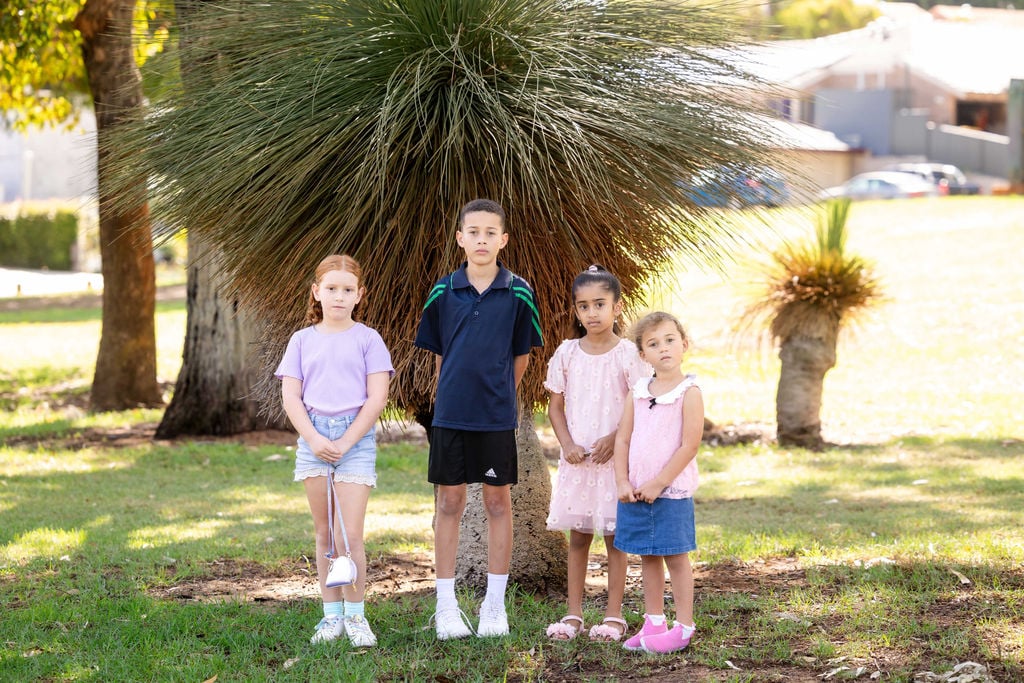
This sub-project aims to fill the gap in knowledge of the effects of climate change on child health and wellbeing in Australia, and to propose data-driven adaptation trials to counter the most serious impacts.

National research led by the Wesfarmers Centre of Vaccines and Infectious Diseases, based at The Kids Research Institute Australia, has secured more than $3.4 million to assess the epidemiology of respiratory syncytial virus (RSV) throughout the country and optimise Australia’s immunisation strategy.
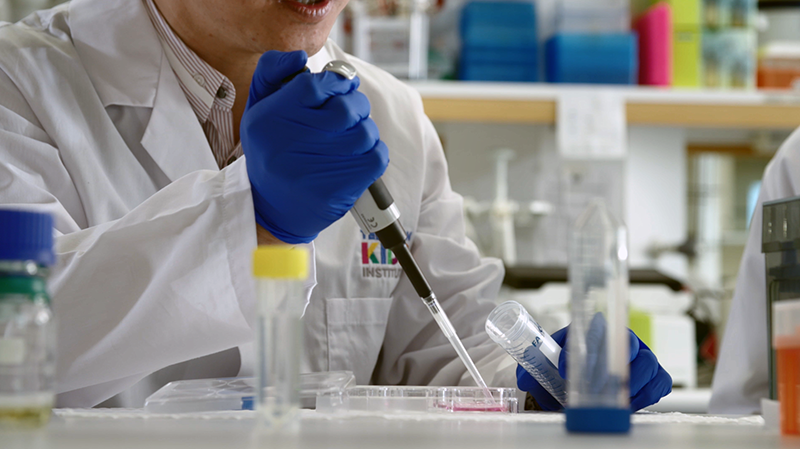
The Kids researchers will use nearly $8.5 million awarded by the National Health and Medical Research Council (NHMRC) to tackle health issues including respiratory disease, brain cancer, vaccination and Aboriginal health.
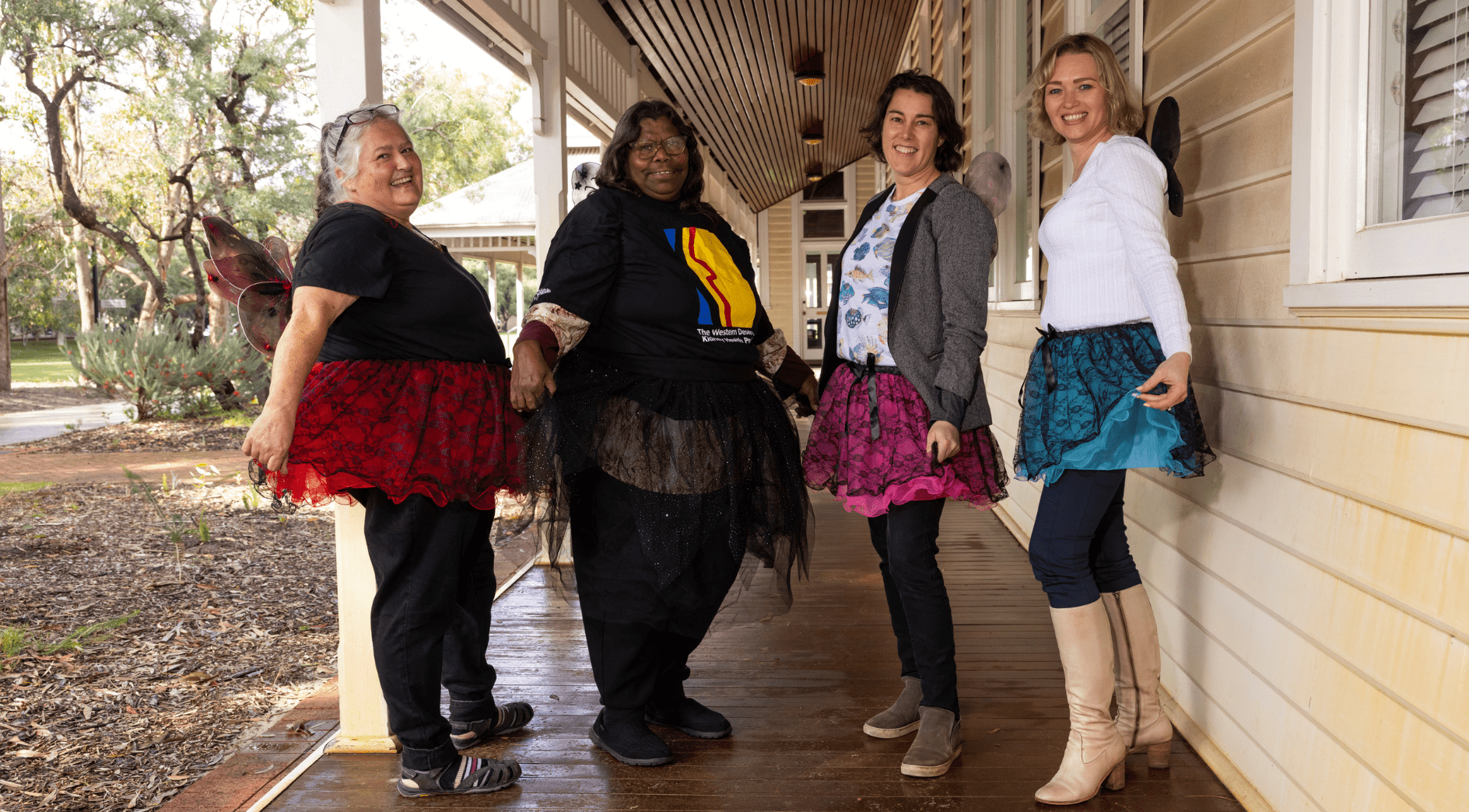
This Australian-first study will simultaneously identify childhood exposure to heavy metals in regional and remote communities and provide these communities with training in drinking water quality, STEM and dental hygiene.

Wal-yan researchers have been awarded $500,000 for their innovative research, supported by the Western Australian Government’s Future Health Medical Research and Innovation (FHRI) Fund.
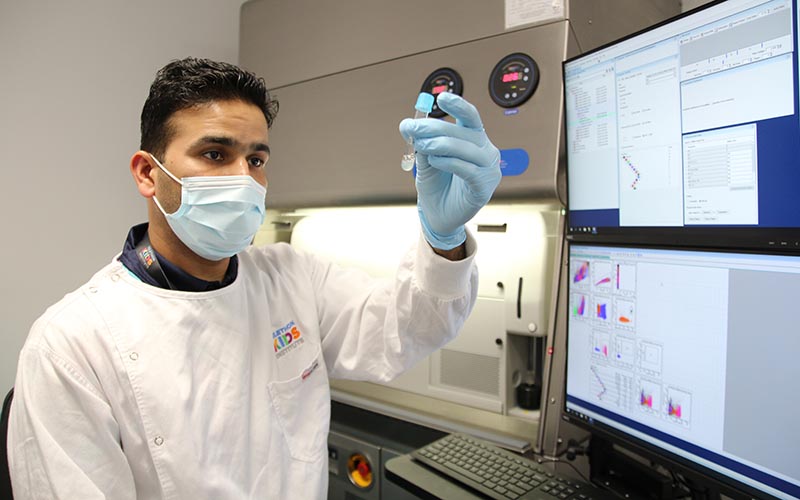
Flow cytometry is a technology used to measure complex cell phenotype and functions. Our Flow Facility is equipped with 3 flow cytometers/analysers, one...
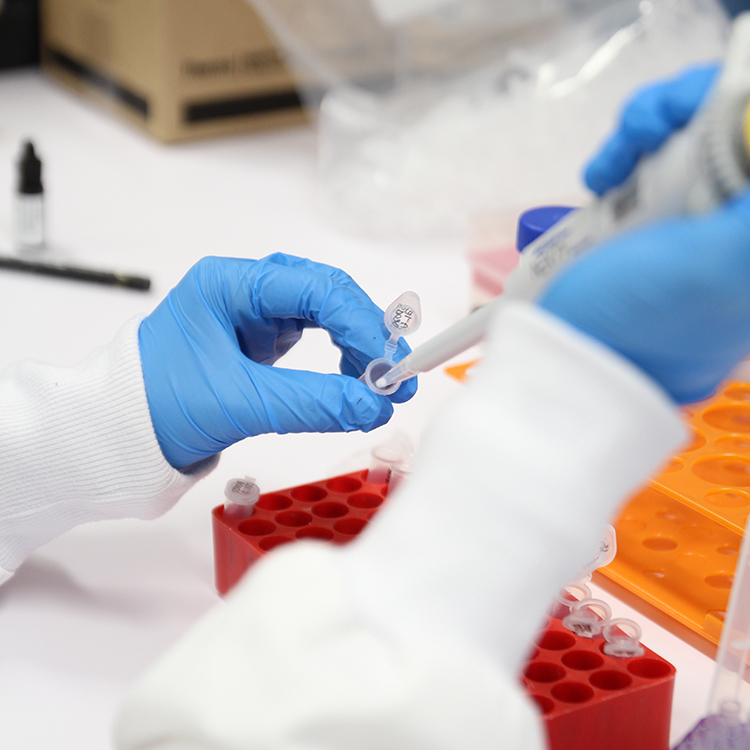
Thanks to 30 years of support from the WA community, The Kids Research Institute Australia is home to some of the world’s best researchers.
In Western countries, Asian children have higher food allergy risk than Caucasian children. The early-life environmental exposures for this discrepancy are unclear. We aimed to compare prevalence of food allergy and associated risk factors between Asian children in Singapore and Australia.