
Search
Showing results for "A"

As Australia battles with COVID-19 outbreaks across all mainland states, there is a sense of familiar dread as major cities plunge into lockdown.

New research investigating the devastating impact of the 2017 flu season by PAEDS-FluCAN, a national collaboration observing influenza in children, confirmed it was time to take action after thousands of children were hospitalised with the virus last year.
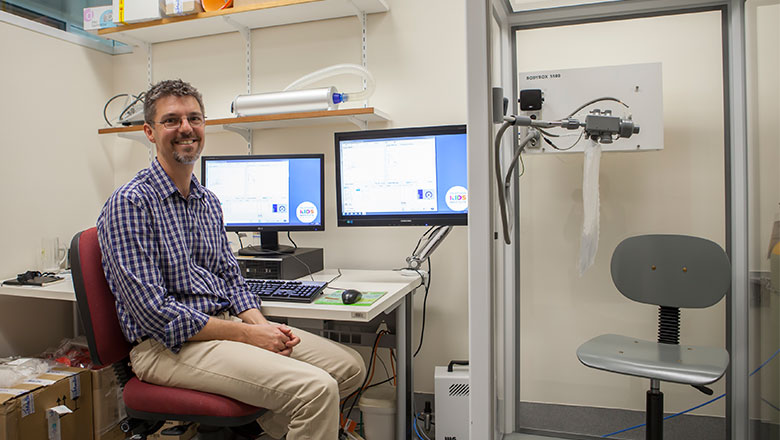
Professor Graham Hall is looking at the effect of air travel on premature babies, with his research already contributing to international guidelines.
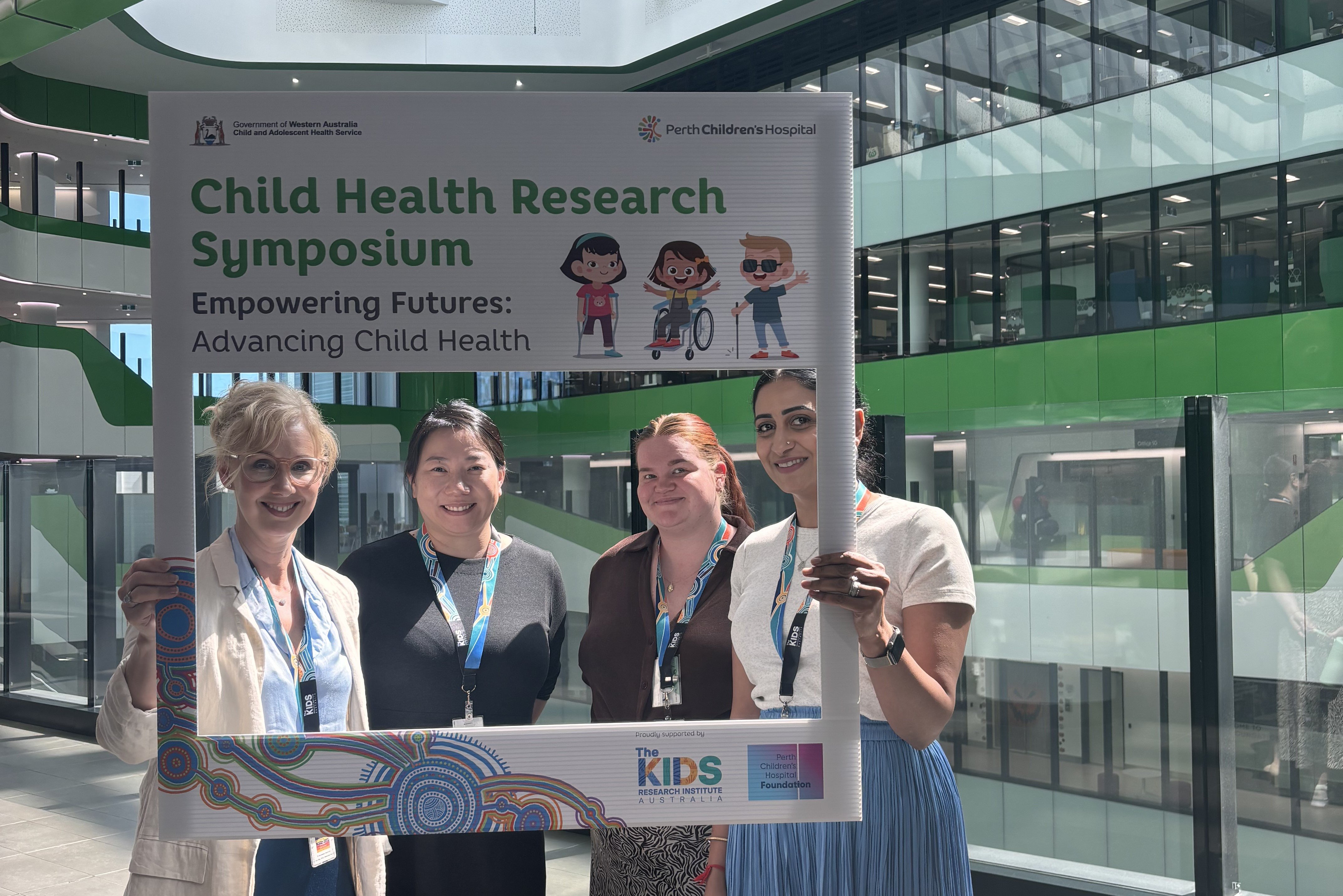
ORIGINS featured heavily at this years Child and Adolescent Health Services (CAHS) Symposium, with presentations from our Co-Director, Professor Desiree Silva, and ORIGINS Data Manager, Dr Sarah Whalan.
Appropriate interpretation of pulmonary function tests (PFTs) involves the classification of observed values as within/outside the normal range based on a reference population of healthy individuals, integrating knowledge of physiological determinants of test results into functional classifications and integrating patterns with other clinical data to estimate prognosis.
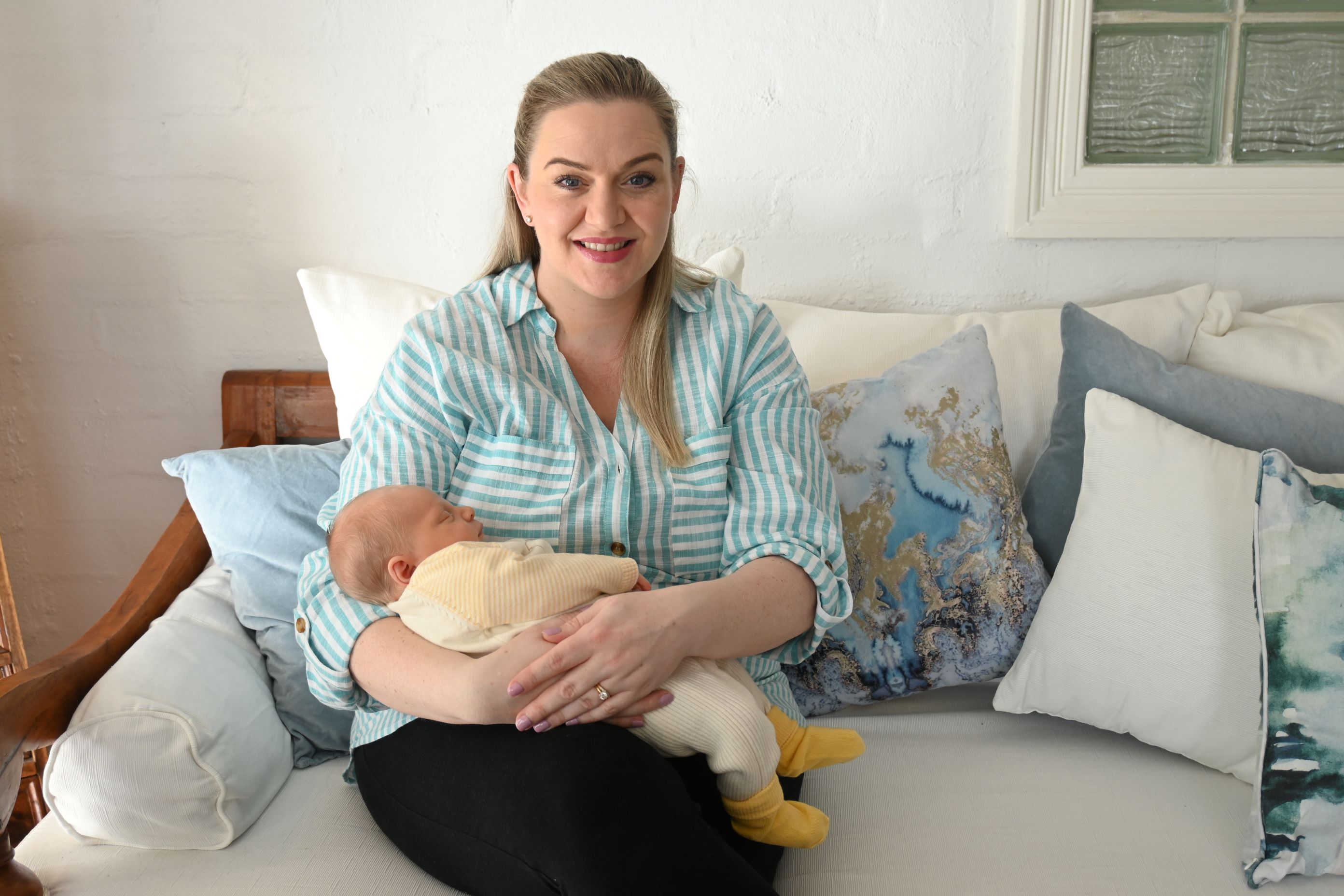
ORIGINS has welcomed its very last baby into the cohort
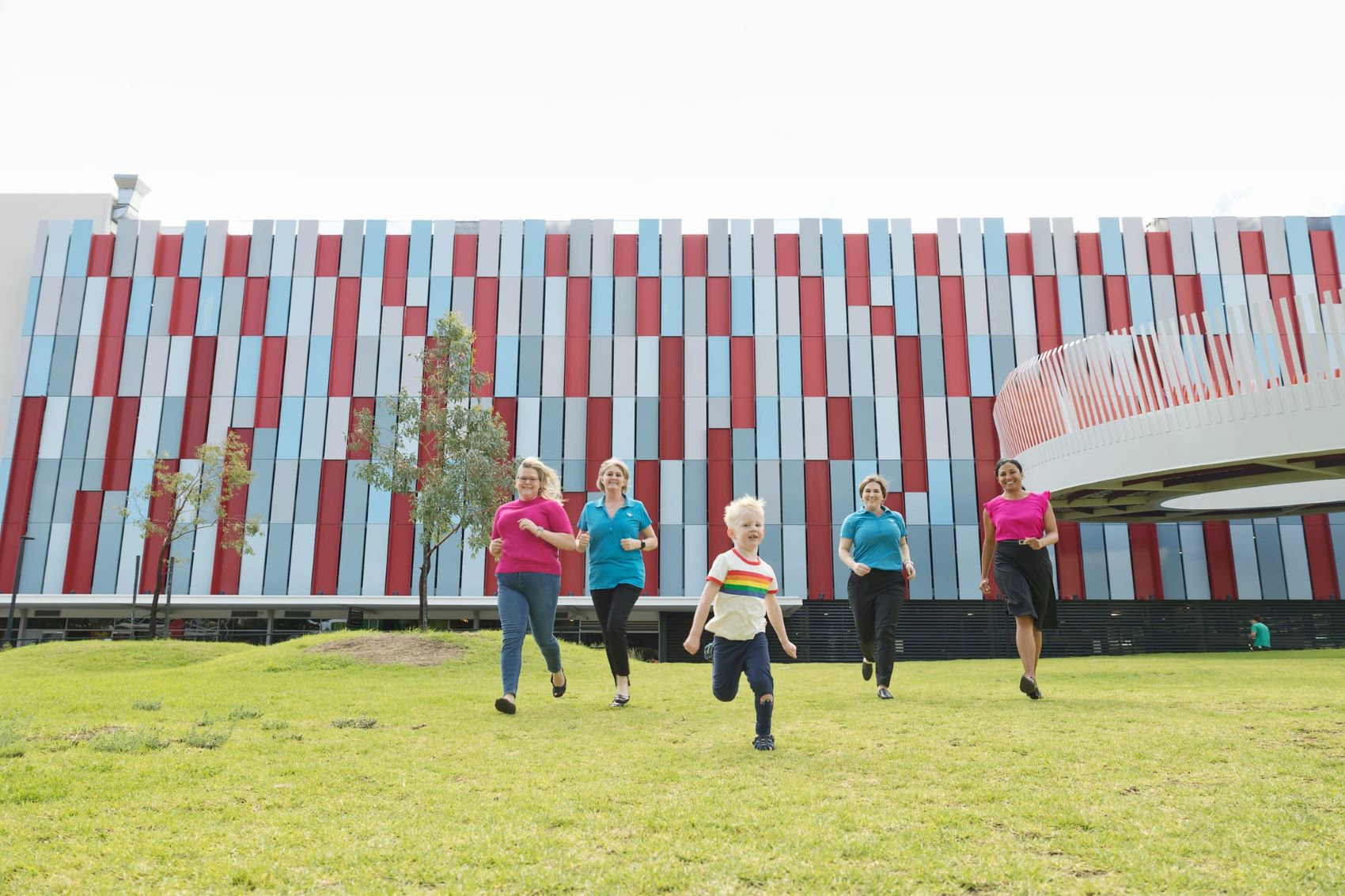
Applications are now open for our 2024 Seed Funding grants.
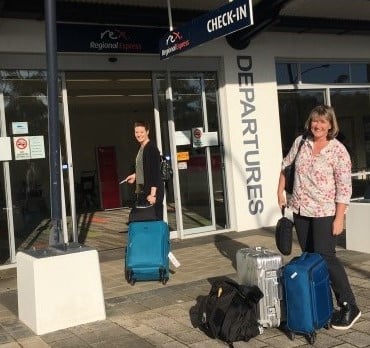
Nearly six return trips to the moon — 4,612,800km — that’s the incredible distance Telethon Kid Institute’s Children’s Diabetes Centre (CDC) staff have collectively travelled to deliver specialist care to kids living with diabetes in regional Western Australia over the past 28 years.
Unmet language and literacy needs are common among young people who are involved with youth justice systems. However, there is limited research regarding the functional text-level language skills of this population with regard to narrative macrostructure (story grammar) and microstructure (semantics and syntax) elements. In this study, we examined macrostructure and microstructure elements in the oral and written narrative texts of 24 adolescent students of a youth detention centre. The students, who were aged 14- to 17- years, were all speakers of Standard Australian English, and 11 (46%) students met criteria for language disorder (LD).
Both human and murine studies report that multiple exposures to sub-erythemal UV radiation can increase the diversity of the gut microbiome