
Search
Showing results for "A"
Physical activity (PA) surveillance, policy, and research efforts need to be periodically appraised to gain insight into national and global capacities for PA promotion. The aim of this paper was to assess the status and trends in PA surveillance, policy, and research in 164 countries.
Two lytic double-stranded DNA (dsDNA) bacteriophages, belonging to the family Herelleviridae, were isolated from wastewater in Western Australia. Biyabeda-mokiny 2 appears to belong to the genus Kayvirus, and Koomba-kaat 1 to Silviavirus.
This research explored adults' perceptions of how sexualized images typically found on social media might influence adolescent girls' mental health, what support girls might need should they experience mental health difficulties, and how such difficulties could be prevented or reduced.
Historically, adolescent pregnancy has been conceptualized as an outcome of child marriage, but in Southeast Asia, the contexts and drivers of adolescent pregnancy are less well-understood. This study examines the relationship between adolescent pregnancy and child marriage and explores the drivers of pregnancy in Cambodia, Indonesia, Lao People's Democratic Republic and Malaysia among adolescents who have experienced pregnancy.
Rachel Foong BSc (hons), PhD, MBiostat Honorary Research Associate 08 6319 1626 Rachel.Foong@thekids.org.au Senior Research Fellow Dr Foong is an
This study aimed to characterise bacteriophages for potential therapeutic use against Staphylococcus aureus, focusing on clinical respiratory isolates of methicillin-sensitive (MSSA) and methicillin-resistant (MRSA) strains. Specifically, it sought to evaluate phage lytic activity, host range, stability, biofilm disruption capabilities, and overall safety for therapeutic use.
When models are used to inform decision-making, both their strengths and limitations must be considered. Using malaria as an example, we explain how and why models are limited and offer guidance for ensuring a model is well-suited for its intended purpose.
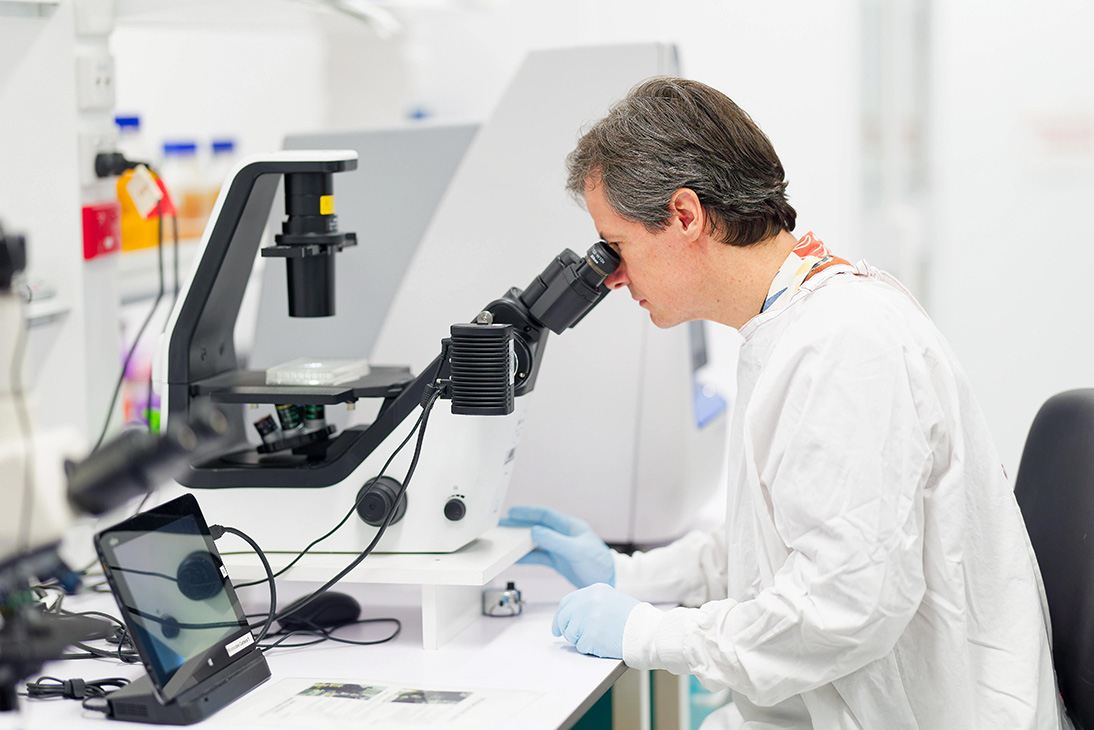
At The Kids Research Institute Australia, we've been thinking of the kids for 35 years. We are finding the answers to some of the biggest problems facing the health and wellbeing of children and families. Our Research Themes host defined programs of work where the Institute has clear strengths and capacity. Our overarching commitment to First Nations Health and Equity is embedded across all our work and features as a core consideration in each Research Theme. The Institute is committed to ending the disparity in health and wellbeing outcomes between Aboriginal and non-Aboriginal kids and families.
In this paper we provide an integrative synthesis of eight systematic reviews that compromise our systematic review series entitled ‘Population Perspectives on Nurturing Relational Health from Early Life’. We reflect on what we know, what we don’t know, and what we need to know to better safeguard the interpersonal world of the child.
Multiple sclerosis (MS) is an immune-mediated inflammatory disease of the central nervous system that results in demyelination of axons, inefficient signal transmission and reduced muscular mobility. Recent findings suggest that B cells play a significant role in disease development and pathology. To further explore this, B cell profiles in peripheral blood from 28 treatment-naive patients with early MS were assessed using flow cytometry and compared to 17 healthy controls.